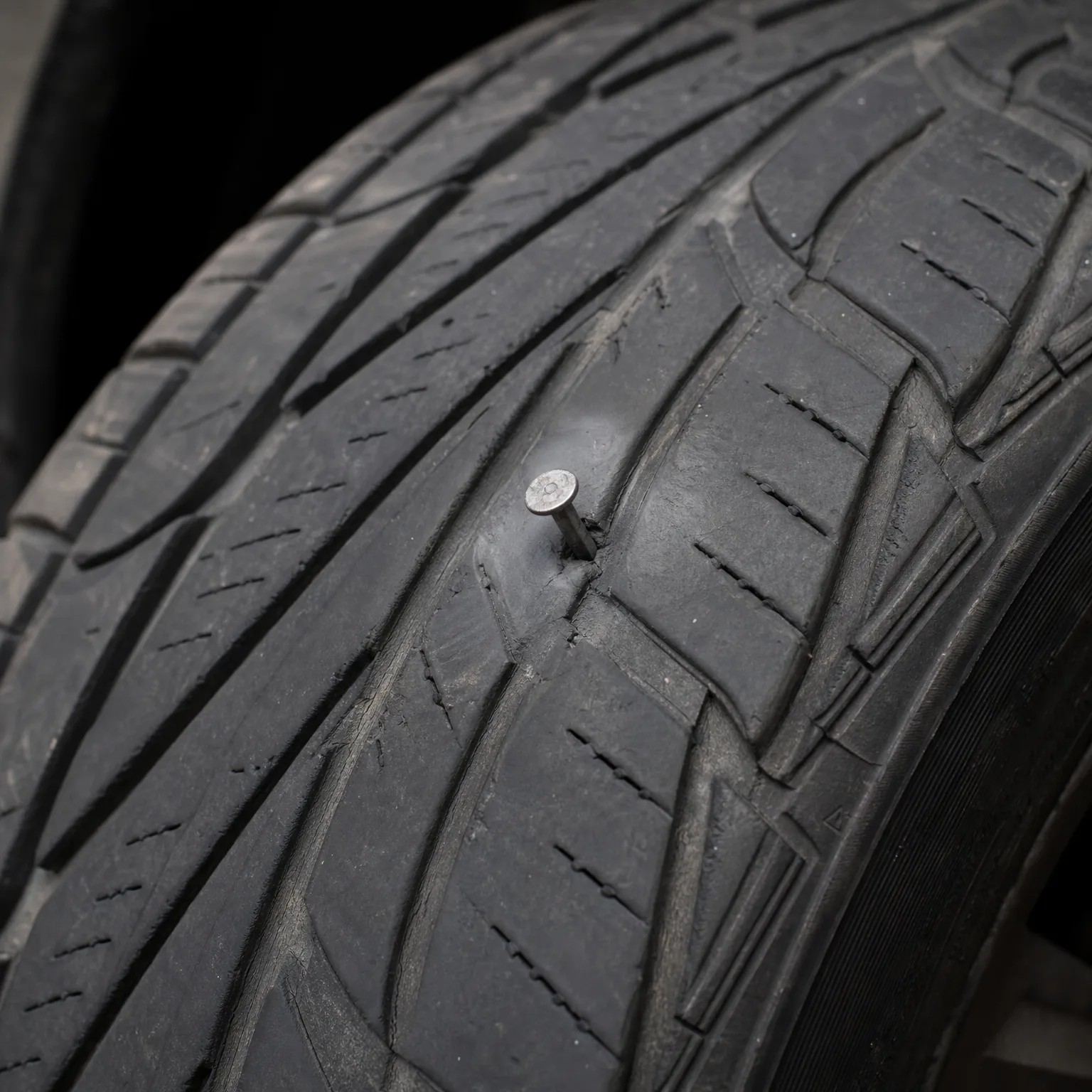
Am I Liable for My Adult Child Car Accident
You're usually not liable once your child is an adult with their own policy, unless the car or the coverage still ties back to you.
Liability follows the policy and the title, not the family tie
Being someone's parent doesn't make you legally responsible for their driving once they're an adult. Liability almost always follows two things instead, who owns the car and whose insurance policy is covering that drive. If your adult child owns their car and carries their own policy, a crash they cause is their financial and legal problem, not yours.
The situation changes when the car is still registered in your name, or when your child is still listed on your policy. If the vehicle is titled to you, you're the legal owner, and in some states an owner can be held responsible for how their car is used even if someone else was driving. Check how your state treats vehicle owners versus drivers, because this is one of the places where the rule isn't the same everywhere.
Insurance works the same way. If your adult child is a listed driver on your policy, your coverage is what pays out first, and a serious at fault crash can affect your rates and your policy's claim history. If they've moved to their own policy entirely, their insurer handles the claim and the financial exposure stays with them.
There are exceptions worth knowing about. Lending your car to your adult child for a specific trip usually extends your policy's permission based coverage to that drive, which can pull you back in even if they're otherwise independent. And if a court finds you negligent separately, for example you knew they were an unsafe driver and handed over keys anyway, that's a different kind of liability entirely, separate from the normal insurance and ownership rules.
Should I keep my adult child on my policy or move them to their own?
Keep them on yours while they're building driving history, a stable address, and credit, since young drivers often get better rates as part of an established family policy than starting fresh alone. Move them to their own policy once they own their own car, live independently, and you want a clean break between their driving record and your rates.
There's no single right time. Some families keep an adult child on the family policy for years, especially if the child is still using a family owned car occasionally or is away at school. The moment that matters most is when they buy their own vehicle, because an owned car almost always needs its own named policy. Talk to your insurer about how a switch affects both policies before you decide.
The car's title and the policy are what create liability, not your relationship to the driver.
Once you know what ties your child's driving back to you, compare quotes for the setup that protects you both.

Keeping your adult child on your policy versus separating them
If you do
They stay on your policy. Your insurance is what responds to any crash they cause, your claims history reflects it, and your renewal rates can rise. You stay in control of coverage limits and keep any multi-driver discount, but you also keep the financial exposure tied to their driving.
If you don't
They move to their own policy and own vehicle. Their crashes become their financial and legal matter, and your policy and rates stay untouched by their driving record. They'll likely start at a higher rate on their own, and you lose visibility into what coverage they actually carry.
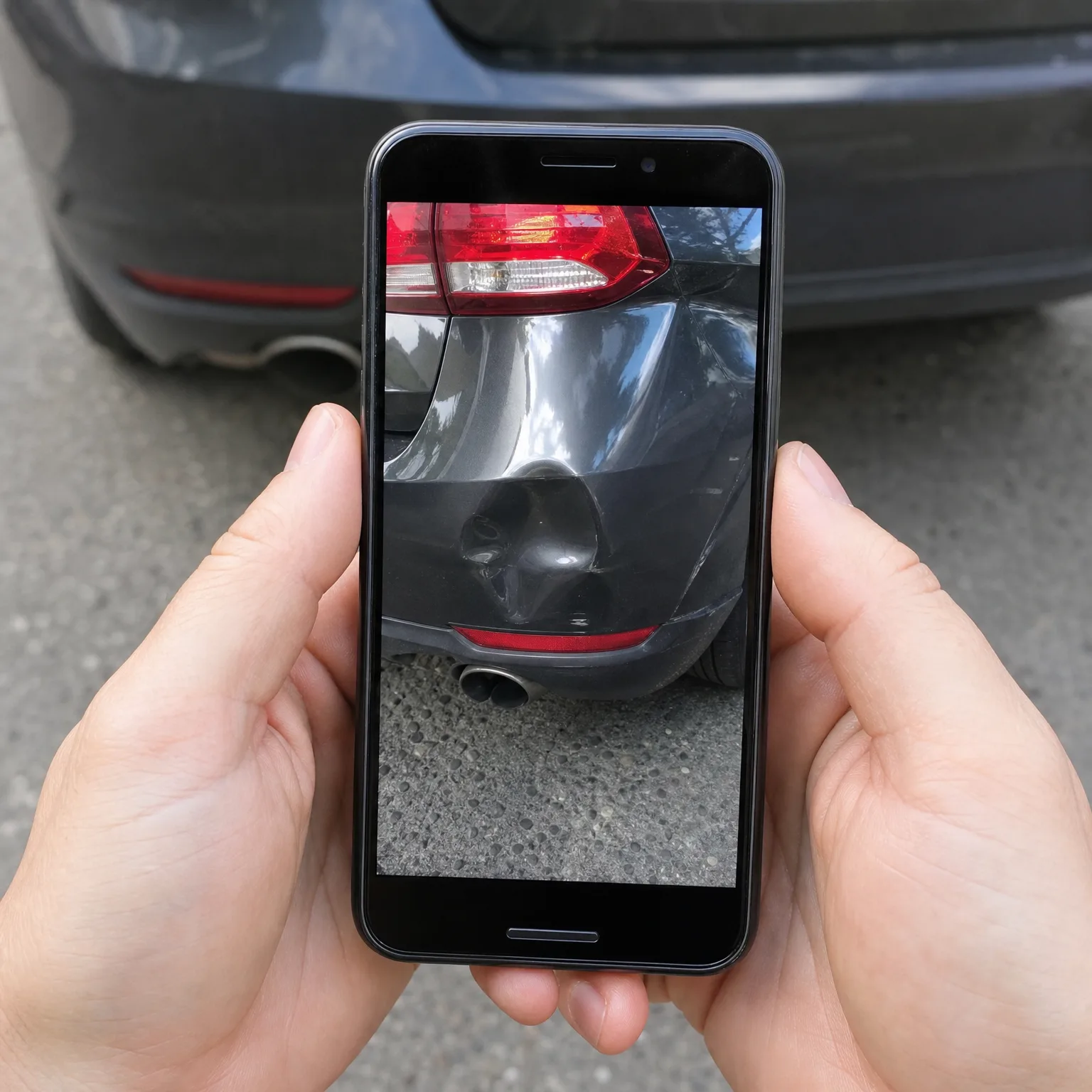
What actually determines whether you're on the hook
- Whose name is on the title If you own the car, you may share legal responsibility for its use. Retitle the vehicle to your child once they're financially ready to carry it themselves.
- Whose policy covers the drive The policy in force at the time of the crash pays first and absorbs the claim history. Confirm which policy your child is actually listed or covered under before assuming.
- Permission to borrow your car Letting your child drive your car for a trip usually pulls your policy's coverage into that drive. Set clear expectations about borrowing if you want to limit this.
- State owner liability rules Some states hold car owners partly responsible for how their vehicle is used, regardless of who's driving. Check your state's specific rule rather than assuming it works like a neighboring state.
- Separate negligence claims Knowingly letting an unsafe driver use your car can create liability outside of normal insurance rules. Be honest with yourself about your child's driving record before handing over keys.

When the family car becomes the deciding factor
A mother still had her adult son listed as an occasional driver on her policy because he used her older sedan whenever he was in town visiting. He borrowed the car for a weekend, got into an at fault accident, and the other driver's medical bills exceeded what either of them expected. Because the car was titled in her name and covered under her policy, her insurance was the one that had to respond, and the claim affected her own record even though she wasn't anywhere near the crash.
Afterward she sat down and separated things clearly. Her son bought a used car of his own, titled it in his name, and took out his own policy once he had steady income. She kept her policy exactly as it was for her own car. The next time he borrowed a vehicle, it was his own, covered under his own insurance, and a repeat incident would no longer touch her rates or her claim history at all.