Are Parents Liable if Their Teen Crashes a Car in Their Name
Yes, if the car is in your name or on your policy, you're liable for what your teen does behind the wheel.

What drives your liability when your teen crashes
- Whose name is on the title If you own the car, you're generally responsible for damage it causes. This is true even if your teen was the one driving at the time.
- Whose policy covers the car Your policy's limits are what pays out first, up to what you bought. If the crash costs more than your limits, you can be personally on the hook for the rest.
- State parental liability rules Some states hold parents directly liable for a minor's driving beyond just the insurance angle. Check your state's rules so you know exactly where your exposure starts and ends.
- Your own driving record risk A crash your teen causes can raise your rates for years, not just theirs. Ask your insurer how a claim gets attributed before it happens, not after.
- Whether you co-signed anything If your teen has their own policy but you co-signed, you may share liability depending on the agreement. Read what you signed, not what you assumed.
A family finds out what liability really means
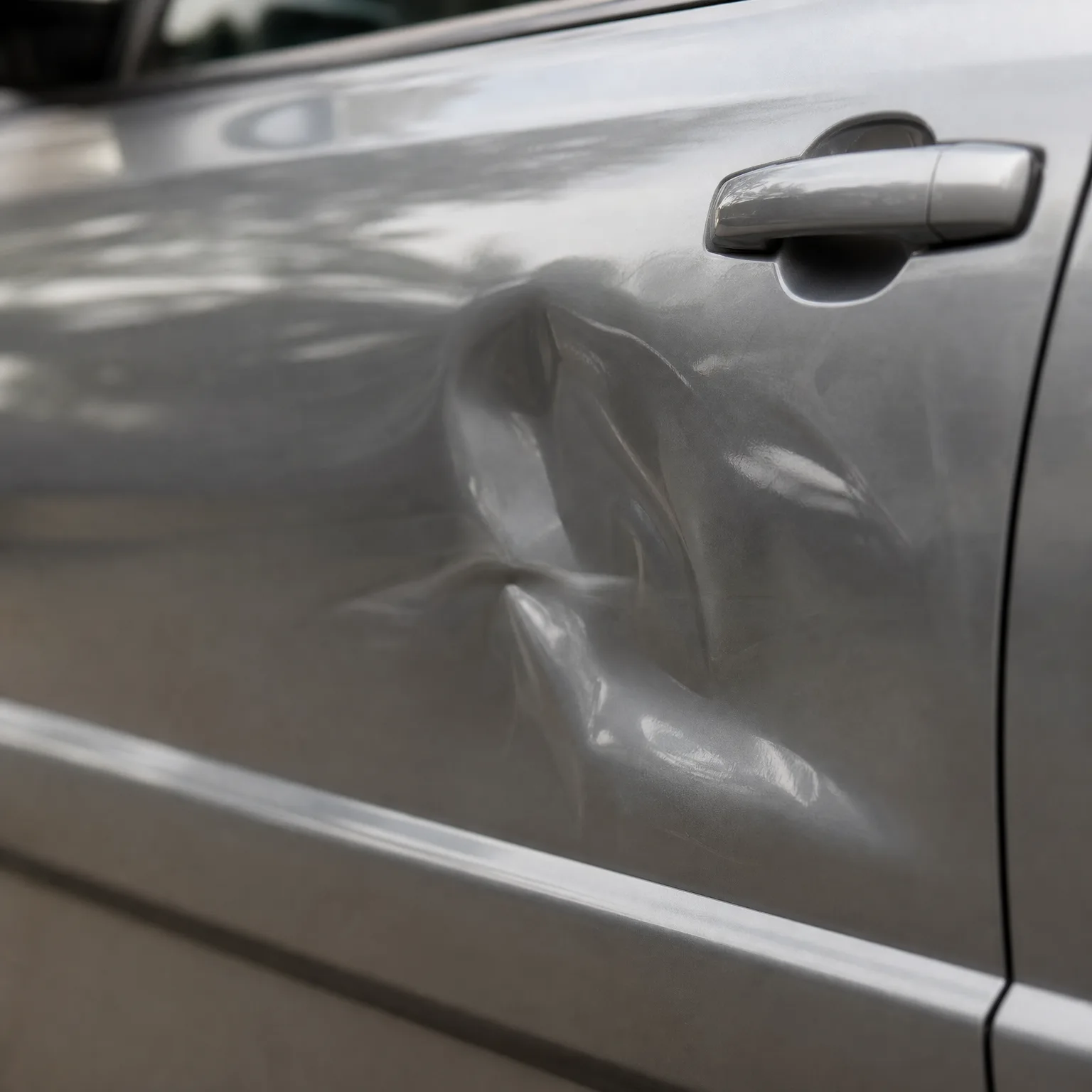
A father let his seventeen year old daughter drive his car to school. She rear-ended someone at a stop sign, nothing dramatic, but the other driver's car needed real repair work and the woman behind the wheel reported some neck pain. The father's policy was the one that responded, because the car was titled and insured in his name. His liability coverage paid for the other car's repairs and the medical visit, and his insurer treated it as his claim, not hers.
What surprised him wasn't the immediate cost, since his coverage handled it. It was the letter that came a few months later showing his renewal premium had gone up, and the realization that this would likely follow him for several years. He also learned, only after asking, that if the costs had gone past his policy limits, he could have been personally sued for the rest. He raised his liability limits that year and had his daughter added formally to the policy instead of driving under his coverage informally, so the setup matched what was actually happening on the road.

The car's ownership and your policy, not who was driving, decide who pays first.
Once you see how your name and policy carry the risk, compare quotes built around coverage that actually protects you.

Should you add your teen to your policy or keep them off
If you do
Adding your teen means your policy officially covers them, so a crash is handled as a normal claim under your existing limits. Your premium will likely rise right away. But you avoid gaps, denied claims, or discovering after an accident that coverage didn't apply because an unlisted driver was behind the wheel.
If you don't
Leaving your teen off the policy might seem to save money now, but most insurers expect any regular driver in the household to be listed. If your teen crashes while driving your car and isn't listed, the insurer may deny the claim entirely, leaving you to pay out of pocket or face a lawsuit directly.
Why the liability lands on you
Liability law generally follows ownership and control of the vehicle, not just who happened to be gripping the wheel. When you own the car, the law treats you as the one who put that car on the road, so you carry responsibility for what happens with it. Your teen having a license doesn't shift that responsibility away from you, it just means they're legally allowed to drive the car you're still answering for.
Insurance works the same way underneath. Your policy is attached to the vehicle and to the household, not to one driver alone. That's why insurers ask about every licensed person in your home, they're pricing the real risk of that car being driven by all of them, including your teen. If your teen isn't listed and they drive the car anyway, you've effectively been carrying a policy that didn't reflect the real risk, and insurers can push back on that at claim time.
Some states go further and hold parents or guardians directly liable for a minor's negligent driving, separate from any insurance question. This is usually tied to the fact that minors can sign contracts or hold certain responsibilities differently than adults. Check your state's specific rules here, because they shape how much exposure you carry beyond your policy limits.
Where this plays out differently is when the teen owns their own car and carries their own policy entirely separate from yours. In that case liability can sit more squarely with the teen and their insurer, though many states and insurers still look at who's financially responsible for a minor. The details depend on your state and your specific policy, so it's worth asking directly rather than assuming either way.