
Are You Insured to Drive Other Peoples Cars
In most cases your insurance follows the car, not the driver, so the owner's policy pays first if you have permission to drive it.

What decides whether you're covered behind someone else's wheel
- Permission matters If the owner said yes, you're usually covered under their policy as an occasional driver. Always ask first and know that a casual okay still counts as permission in most cases.
- The car's policy pays first The owner's insurance is primary even if you're the one driving. Your own policy only steps in if their coverage runs out or doesn't apply.
- Your own policy can still matter If you drive that car often, your insurer may expect it listed on your policy too. Tell your agent if you regularly borrow a specific car so there's no gap.
- Excluded drivers lose coverage If someone was specifically excluded from the owner's policy, they're not covered no matter what. Check the policy before letting anyone borrow the car regularly.
- Rentals follow different rules Your personal policy often extends to rentals, but check the terms since some policies limit this to certain countries or vehicle types.
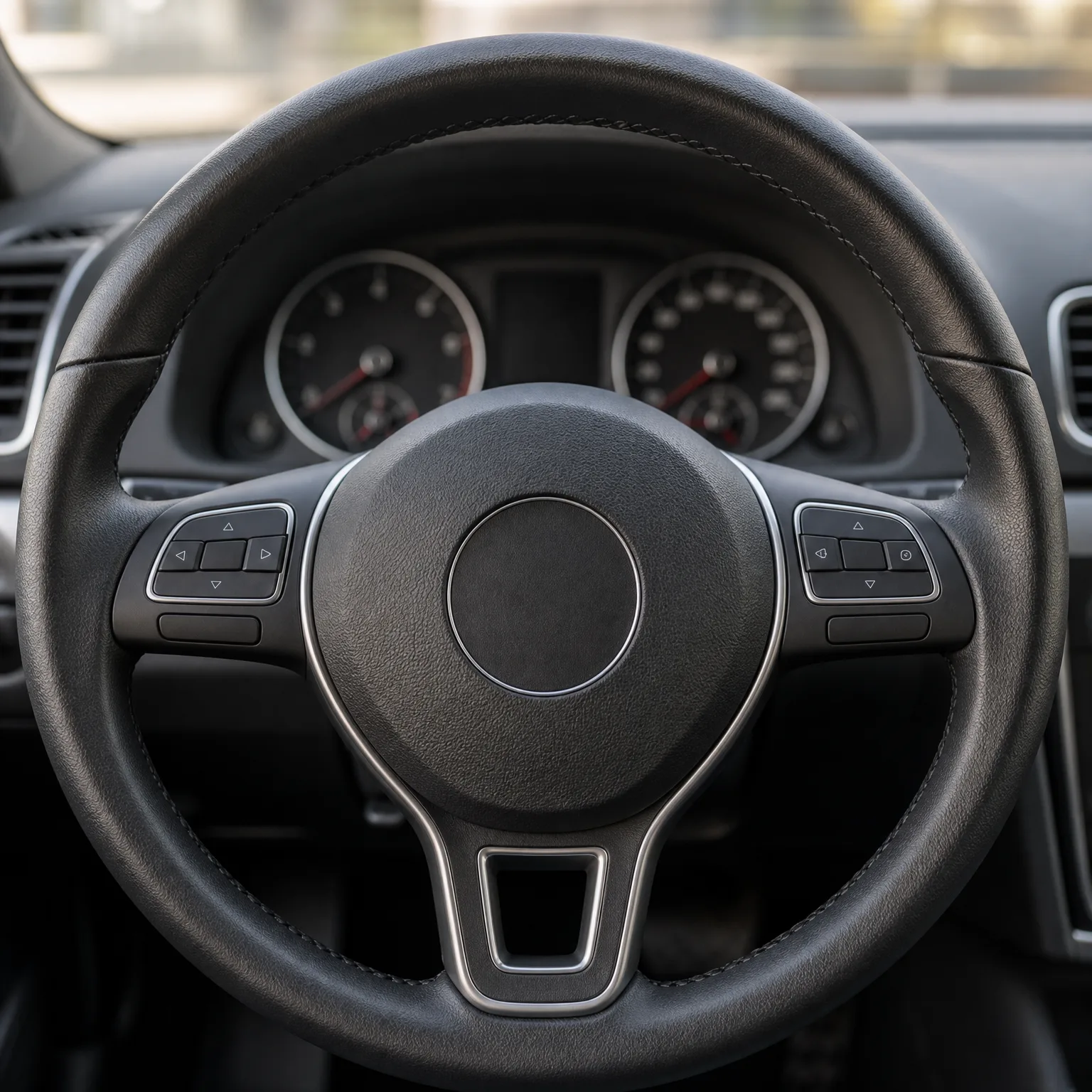
When a teen borrows a friend's car for the weekend
Your teen asks to borrow a friend's car to get to a weekend job since yours is in the shop. The friend's parents say yes, so you check two things before agreeing. First, is your teen specifically excluded from that family's policy. Second, does your own policy still cover your teen as a driver even when they're not in your car.
The friend's parents confirm nobody's excluded, and your agent confirms your teen is covered as a listed driver regardless of which car they're in. The friend's insurance would pay first if anything happened, with your policy as backup. You let your teen borrow the car for the week, feeling confident that both policies work together instead of leaving a gap.
Coverage follows the car and the permission, not just whose name is on your policy.
Once you know how borrowed-car coverage works, compare quotes to make sure your teen is protected everywhere they drive.
What if my teen gets in an accident driving someone else's car?
The other car's insurance usually pays first since coverage follows the vehicle. If the damage or injuries go beyond what that policy covers, your own policy can kick in to cover the rest, assuming your teen is listed as a driver on your policy.
This is why it matters whether your teen is formally added to your policy, even if they mostly drive a car that isn't yours. Insurers want known drivers accounted for, and having your teen properly listed protects you from disputes about who should pay. If your teen regularly drives a specific friend's or relative's car, mention that to your agent so there are no surprises about which policy responds first.

Does my teen need their own car insurance if they drive our car?
No, your teen doesn't need a separate policy if they're driving a car your family owns. They need to be listed as a driver on your existing policy. Separate policies usually come into play only when your teen owns their own car outright, which changes whose policy is primary.
Can I let my teen drive a rental car on a trip?
It depends on the rental company's age rules and your own policy's rental coverage. Some rental companies won't let anyone under a certain age drive at all, regardless of insurance. Check both the rental agreement and your policy before the trip so your teen isn't turned away or left uncovered.
What happens if my teen drives a car that isn't on our policy at all?
Coverage still usually follows the car's own policy first, as long as your teen had permission to drive it. Your family's policy may offer secondary coverage depending on how your teen is listed. If your teen drives a particular car regularly, ask your agent whether it should be added directly to avoid any coverage gaps.