At What Age of Car Should You Drop Collision Insurance
There's no set age, you drop collision when the car is worth less than what you'd pay in premiums plus deductible to insure it.

Check these before you drop collision coverage
- Car's actual cash value Get a real number for what the car would pay out if totaled, not what you think it's worth. That figure is the whole decision.
- Yearly collision premium cost Look at just the collision portion of your bill, separate from liability and comprehensive. Compare that cost against the car's value.
- Loan or lease payoff If you still owe money on the car, you likely can't drop collision yet. Check your loan terms before changing anything.
- Your emergency repair fund Without collision, you cover all repair or replacement costs yourself after an accident. Make sure you could actually afford that.
- How your teen factors in A newer driver raises the odds of a claim, which changes this math. Weigh that risk alongside the car's value, not instead of it.
The short version
Drop collision when the car's value is low enough that a year or two of premiums plus the deductible would cost close to what the payout would be. Check the car's actual cash value, not its sticker memory. Then compare that number against what you're paying for collision each year.
A family car headed to the teen driver
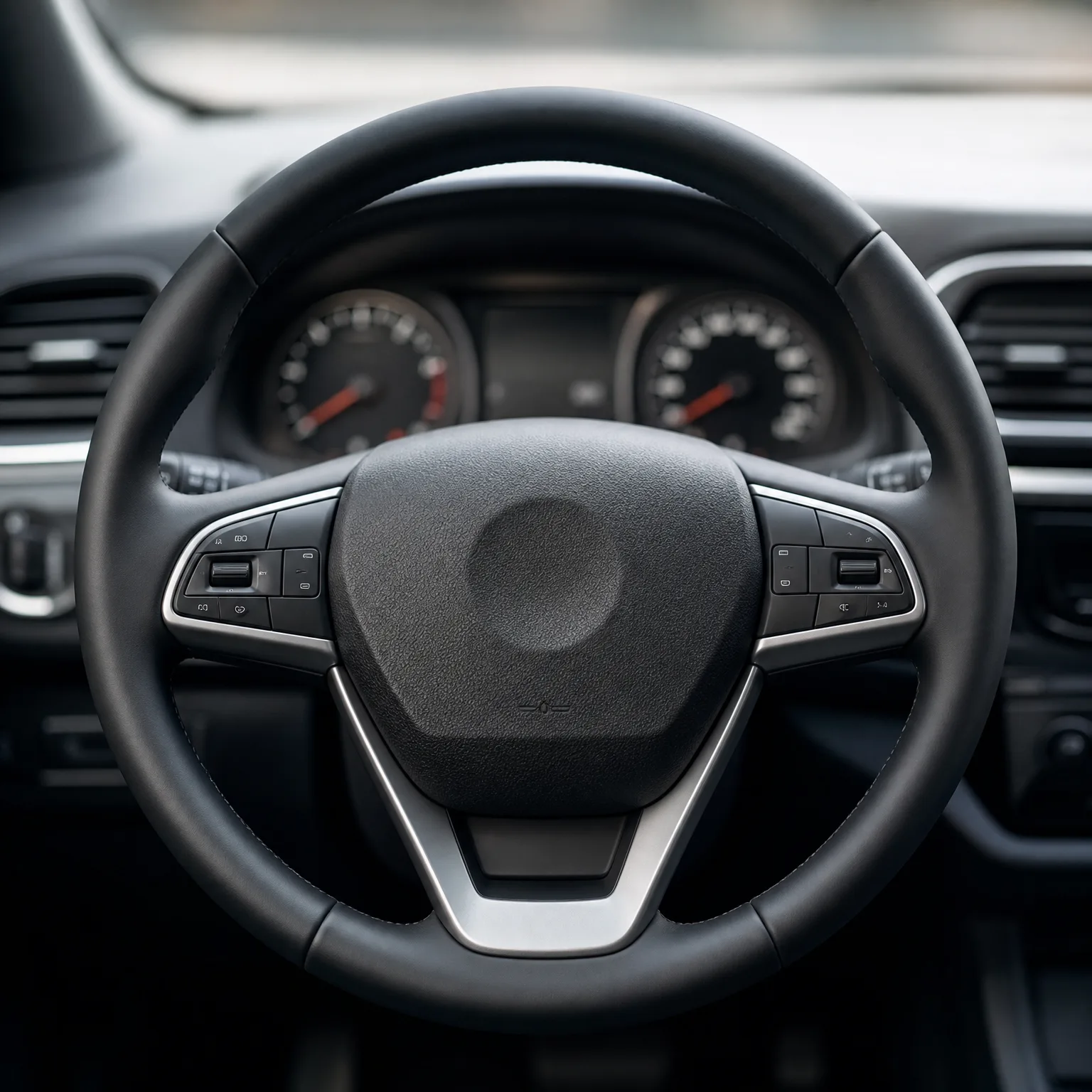
A parent had an older sedan, paid off, that the teen was about to start driving. The car was older and worth less each year, and the parent had been renewing the same coverage without checking the actual value. Once the teen was added to the policy, the collision premium jumped noticeably, since new drivers cost more to insure across the board.
The parent looked up the car's actual cash value and found it was modest, low enough that a bad accident would barely cover a replacement after the deductible. They ran the math on what a year of collision coverage cost against what the payout would realistically be if the car was totaled. The numbers were close enough that keeping collision made sense for one more year, mainly because a new driver crashing a car with no collision coverage would leave the family paying out of pocket entirely. They planned to recheck the math again next year as the car's value kept dropping and the teen gained more experience behind the wheel.
Compare quotes now that you know whether to keep or drop collision on this car.

Keeping collision coverage on an older car
If you do
You keep paying the premium every year, even as the car's value keeps shrinking. If your teen or you causes an accident, the insurer pays out up to the car's current value, minus the deductible. You're protected against a total loss, but you're also paying for coverage that pays less and less over time.
If you don't
You stop paying the collision premium immediately, which lowers your bill. But if the car is wrecked in an accident that's your fault, you get nothing from the insurer for the car itself. You'd need savings on hand to repair or replace it, which matters more with a new driver in the house.
Why this is about math, not age
Collision coverage pays out based on the car's actual cash value, not what you paid for it or what it would cost to replace it today. As a car ages, that value drops every year, sometimes faster than people expect. Eventually the most the insurer would ever pay you gets small enough that the premium isn't buying you much protection anymore. That's the whole logic behind dropping it, not a birthday for the car but a crossing point between value and cost.
The premium side matters just as much as the value side. Collision costs more to insure than liability alone, and that cost doesn't shrink as fast as the car's value does. So even though both numbers are moving, they're not moving at the same pace, which is exactly why there's a point where it stops making sense to keep paying.
Adding a teen driver complicates this because it raises the odds you'll actually file a claim. A car that made sense to drop collision on for an experienced adult driver might still be worth covering while a new driver is behind the wheel, simply because the chance of a claim is higher. That's not a reason to keep collision forever, but it is a reason to recheck the math more often while your teen is new to driving.
This also varies by what you could afford to repair or replace out of pocket. Someone with savings set aside for a car repair can drop collision earlier than someone who couldn't cover that cost without serious strain. There's no universal age or year, only your own numbers checked against your own situation.
Should I drop collision only on the teen's car or on my own too?
Treat each car separately, based on its own value and its own driver, not as a single household decision. Your teen's driving habits and experience level matter most for whichever car they drive regularly, so that car may need collision coverage longer even if it's the older vehicle in the family.
If your teen mainly drives an older car while you drive a newer one, it's common to keep collision on both for different reasons, protecting the newer car's higher value and the older car's higher claim risk with a new driver. Run the math separately for each vehicle rather than assuming a cheaper or older car automatically carries less risk once a new driver is added to it.