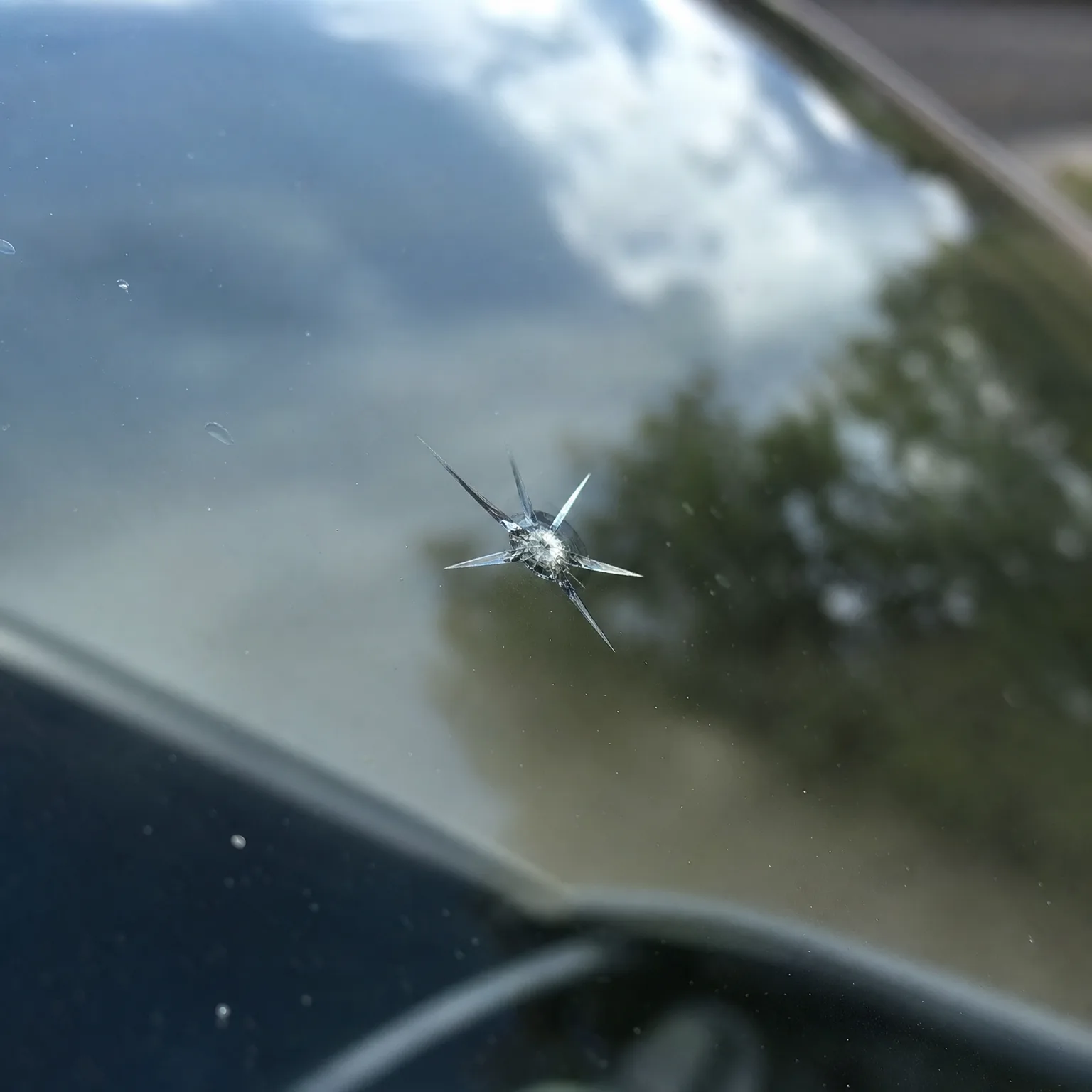
At What Point Should You Remove Full Coverage Insurance
Drop full coverage when the car is worth so little that paying for it yourself beats paying premiums to insure it.
Why the car's value decides this, not your teen's driving
Full coverage exists to protect an asset worth protecting. It pays to repair or replace the car after a crash the driver caused, or after theft, fire, or weather damage. Liability coverage, the part everyone has to carry, only pays for damage you do to others. Once a car is worth little, the payout you'd get after a claim shrinks too, and at some point it's smaller than what you've spent on premiums to keep that coverage active.
This is a math problem about the car, not a judgment about your teen. A newer car with a loan still has to carry full coverage because the lender requires it, and because you'd owe more than a cheap car is worth if it were totaled. An older paid-off car is different. If it's worth little, you're insuring a small payout, and the premium for that coverage no longer makes sense.
The other side of the math is what you can afford to lose. Full coverage protects your ability to replace the car without draining savings. If losing the car tomorrow wouldn't hurt your finances, keeping full coverage is optional. If it would, that's a reason to keep it even on a car that isn't worth much, because the coverage is really protecting your budget, not the car.
This is also where a teen driver changes the picture, but only indirectly. Teens are statistically more likely to be in a crash, so the odds of needing that payout are higher for your household than for an older driver. That raises the value of keeping full coverage a little longer than you might for a more experienced driver in the same car, even if the car's value alone would argue for dropping it.
What actually decides when to drop it
- The car's current value Look up what the car would sell for today, not what you paid. If that number is low, the most a claim can pay you is low too.
- Whether there's a loan or lease Lenders require full coverage until the loan is paid off. If your teen's car is financed, this decision isn't yours to make yet.
- Your emergency savings Check whether you could replace the car in cash if it were totaled tomorrow. If not, keep the coverage even on an older car.
- Your teen's crash odds right now New drivers are more likely to be in an accident than experienced ones. That risk alone can justify keeping coverage a bit longer.
- State rules and insurer minimums Some states or lenders set conditions on dropping coverage. Check your policy documents and state requirements before you cancel anything.
This is about the car's worth and what you can afford to lose, not your teen's driving.
Once you know the car's value and what you can afford to replace, compare quotes with that decision made.
A family deciding on an older car
A parent had their teen driving a car that was paid off years ago, worth little by now. The premium for full coverage on that car, with a new driver added, had jumped enough that it stood out on the bill. The parent looked up the car's value and found it was low enough that a claim payout wouldn't cover much more than a year or two of the premiums they'd already paid.
They checked their savings and found they could cover a replacement car in cash if they had to, so losing the car wouldn't be a financial emergency. They dropped full coverage but kept liability coverage, which is required everywhere. They also talked with their teen about what that meant, that any damage to the car itself from a crash would now come out of pocket. The premium dropped right away, and they put part of the difference aside each month in case they ever needed to replace the car themselves.
Will dropping full coverage put my teen at more risk on the road?
No, and this is worth separating clearly. Full coverage protects the car itself, it has nothing to do with your teen's safety or with coverage for injuries. Liability coverage, which you keep regardless, is what pays for harm to other people and property, and that stays in force no matter what you decide about full coverage.
What changes is only who pays to fix or replace your teen's car after a crash they caused. If you drop full coverage, that cost falls on you instead of the insurer. Your teen's physical safety depends on how they drive, not on this coverage decision. If you want to protect against injury costs specifically, look at your policy's medical payments or personal injury protection, which are separate from full coverage entirely.