
Can a 16 Year Old Driver Have Their Own Insurance Policy
Technically yes in rare cases, but almost no insurer will write a standalone policy for a 16 year old at a reasonable cost.
Insurers price a teen by the household, not just the driver
A 16 year old is a legal minor almost everywhere, and most insurers require a policyholder to be an adult who can be held financially responsible for the contract. That alone rules out a true standalone policy for most teens, even ones who technically could sign one in states that allow emancipated or older minors to contract on their own.
But the bigger reason isn't legal, it's financial. Insurers calculate a teen's risk partly from their own driving history, which barely exists at 16, and partly from the household and vehicle around them. A teen rated alone looks like pure unknown risk with no offsetting factors. Rated on a parent's policy, that same teen benefits from the parent's years of claims-free history, the mix of cars in the household, and often a lower-risk vehicle than a teen would choose or qualify for alone.
This is why almost every insurer prices a teen as an added driver rather than a separate customer, and why the quote you got was for that arrangement even if you didn't realize it. The handful of cases where a young driver ends up on their own policy usually involve a teen who no longer lives with a parent, owns their car outright, and has no parent willing or able to stay on the contract.
What varies by state and insurer is the minimum age to hold a policy alone, whether a parent's signature or guarantee is required, and how a teen's driving record follows them if they ever do go separate later. Check your insurer's rules and your state's age of majority before assuming either path is closed to you.

A parent who assumed separate meant cheaper
A father called his insurer expecting that putting his 16 year old daughter on her own cheap starter policy would save money compared to adding her to his. He'd heard it mentioned by a coworker and assumed a teen-only policy would be priced lower since it covered less.
The insurer explained there was no standalone option for her at that age under their rules, and even where competitors allowed it, the quote was always higher than adding her to an existing policy with years of clean history behind it. He added her to his policy instead, put her on the lower-value of their two cars, and set her up with a telematics or good-student discount to offset some of the cost. The premium rose, but far less than a separate policy would have run, and he kept the ability to see her coverage and driving habits directly instead of hoping a separate young policyholder stayed on top of renewals and payments herself.
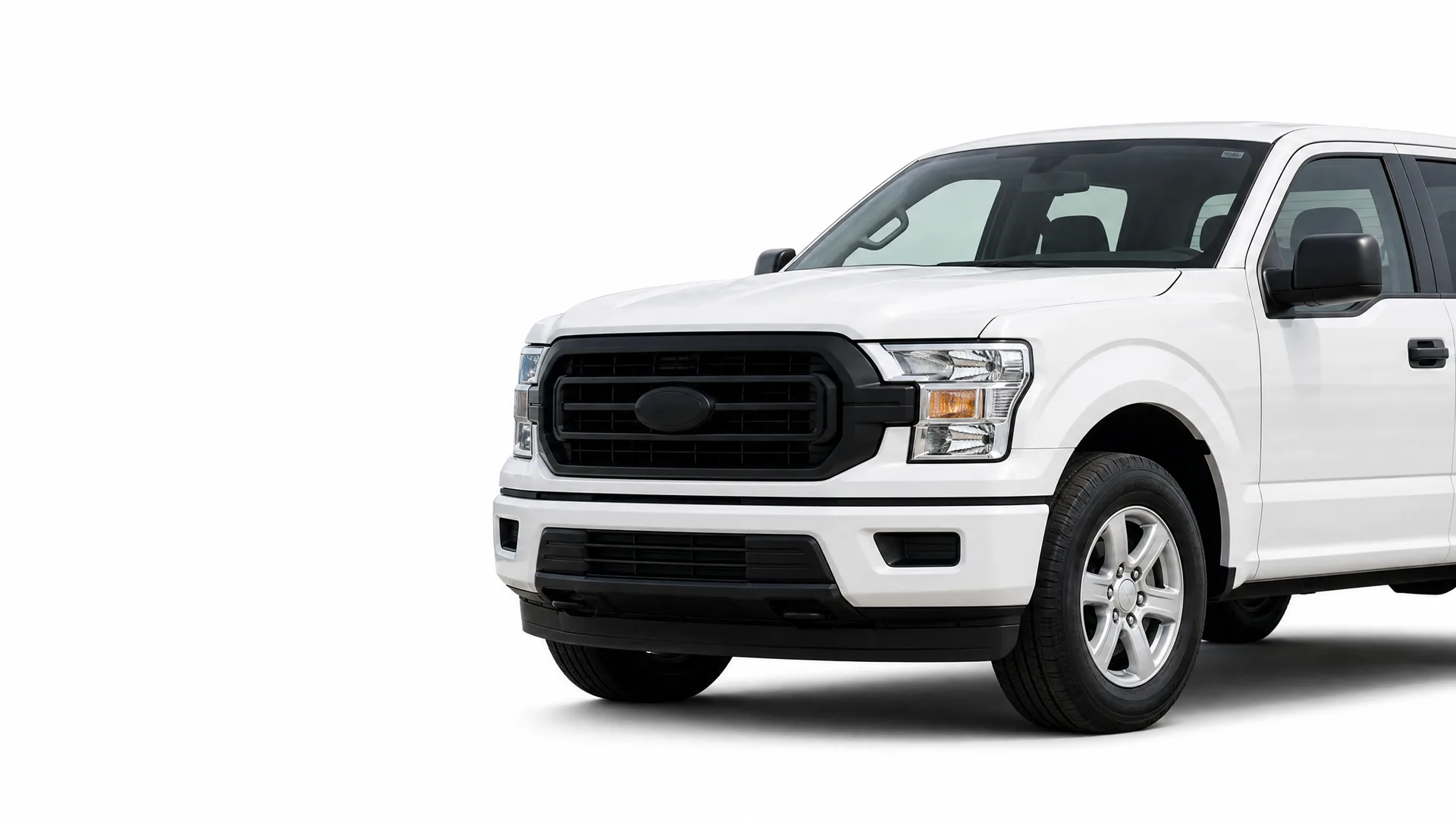
The real question is whether separating your teen would ever cost less. It won't.
Compare quotes for adding your teen to your policy now that you know why that path costs less than going separate.

What actually determines the cost and setup of covering your teen
- Household rating wins Insurers price a teen cheaper as part of an experienced household than as a standalone risk. Keep your teen on your policy rather than shopping them a separate one.
- Car assignment matters Which car your teen is listed as primarily driving affects the premium significantly. Put them on the older or lower-value vehicle in the household if you have a choice.
- Grades and training help Many insurers reduce teen rates for good grades or completed driver's education courses. Ask your insurer directly which ones they offer and what proof they need.
- Monitoring can lower cost Usage-based or telematics programs track driving habits and sometimes reward safe teen drivers with lower rates. Ask whether enrolling your teen is an option and what it tracks.
- Revisit this at adulthood Once your teen moves out, buys their own car, or reaches full adult age under your insurer's rules, a separate policy becomes realistic. Revisit the comparison then, not now.

Will my own premium go up if my teen gets their own ticket or accident?
Yes, because your teen is rated as part of your policy, their driving record affects your shared premium directly. How much depends on the severity of the incident and your insurer's rules on surcharges. Ask your insurer how long an incident stays on the record and whether safe-driving periods or courses can reduce the impact afterward. This is also why many parents push for monitoring programs or driving agreements while a teen is new.
Should I buy an older cheap car just for my teen to drive?
It depends on the car's safety record, not just its price, so check crash ratings before deciding. An older car can lower your premium since it's rated by value, but a car without modern safety features can work against the actual goal of keeping your teen safe. Compare specific models and their safety ratings rather than assuming cheap and old automatically means a good choice for a new driver.
Does my teen need to be listed even if they rarely drive?
Yes, almost every insurer requires any licensed household member to be listed, even occasional drivers. Leaving them off can be considered misrepresentation and may affect a claim if they're ever driving when something happens. Ask your insurer about an occasional or excluded driver designation if your teen genuinely drives rarely, since some insurers offer a lower-cost listing for that situation specifically.