
Can a Family Member Drive My Car
Yes, most policies cover a family member driving your car, but a teen living in your house is treated differently than an occasional guest.
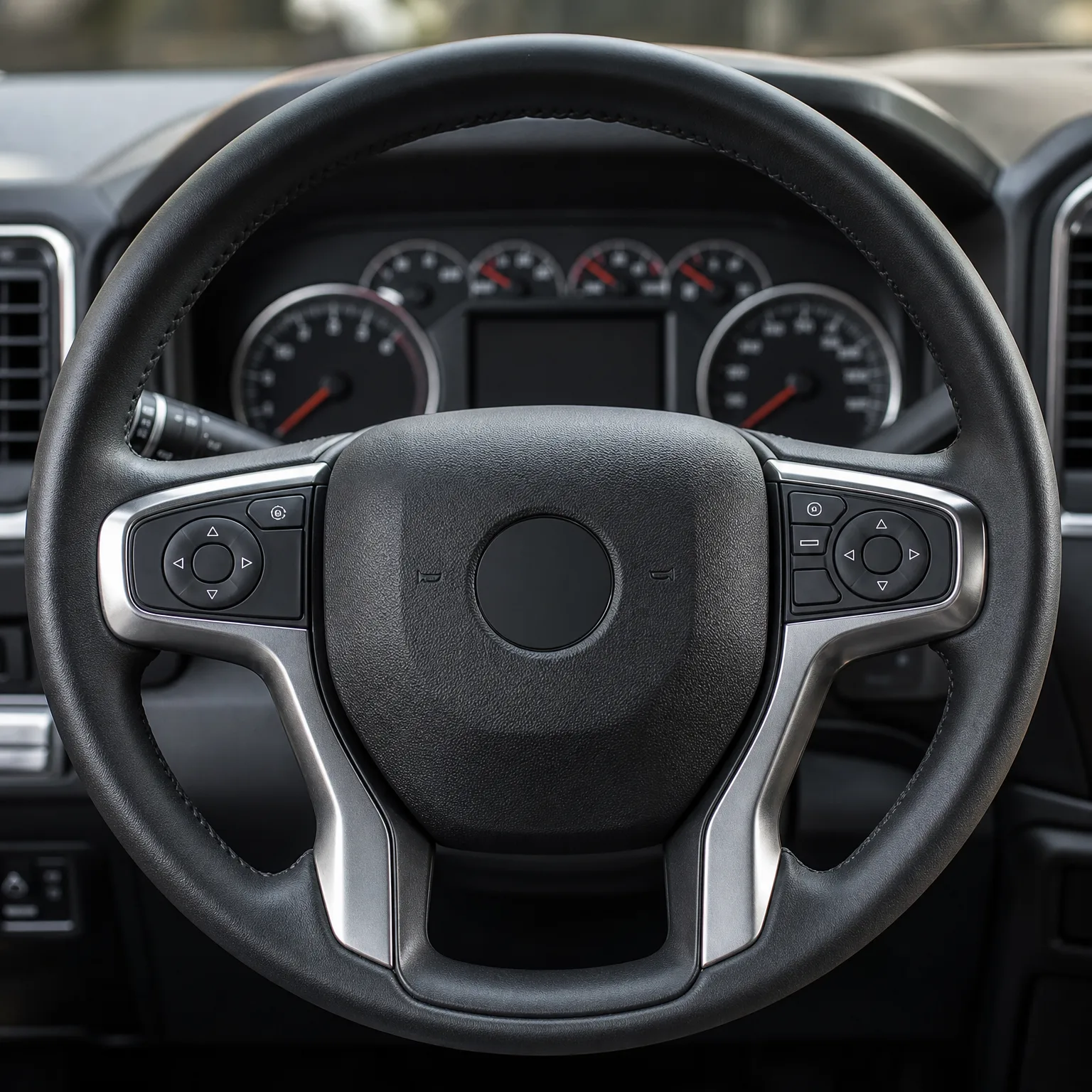
When your teen borrows the car for a weekend job
Say your daughter just got her license and starts driving herself to a part-time job a few evenings a week. You haven't added her to the policy yet because you're still comparing quotes, and you're wondering if she's covered in the meantime. She is, because she lives in your household and drives your car regularly, your policy already extends to her as a resident relative. But that coverage is temporary by design, insurers expect you to formally add her once it's clear she's a regular driver, not just borrowing the car once in a while.
You call your agent and ask what happens if you wait. They explain that if she were in an accident before being added, the insurer could still investigate why a known regular driver wasn't listed, and that could complicate a claim or raise your renewal rate more than adding her properly would have. So you add her that week, shop a couple of other quotes since her rate affects the whole policy now, and land on a plan that keeps her covered without guesswork. The peace of mind of knowing a claim won't get picked apart turns out to matter more than the slightly lower bill from waiting.
What if my teen only drives occasionally, do I still have to add them?
If your teen has a license and lives in your home, most insurers expect them listed on your policy even if they drive rarely. The rule isn't about how often they drive, it's about whether they're capable of driving your car at any time. A licensed teen in your household meets that bar the day they get their license.
Some insurers allow a formal exclusion if your teen truly never drives your vehicles, say they only drive a car owned separately by another household member. That's a specific, documented arrangement, not an assumption. If you're hoping to skip adding them because they drive infrequently, call your insurer directly and ask what their occasional-driver or exclusion rules actually require, because guessing wrong here is the costly mistake, not the premium itself.

Now that you know how your policy treats a family member driving your car, compare quotes to cover your teen correctly.

What to check before you assume you're covered
- Resident relatives are covered Anyone living in your home, including your teen, is typically covered driving your car under your existing policy. Confirm this is true for your specific insurer rather than assuming it.
- Occasional guests are different A friend or visiting relative borrowing your car once is usually covered too, but repeated or regular use changes the picture. If someone drives your car often, tell your insurer so there are no surprises later.
- Add your teen once licensed The moment your teen has a license, insurers expect them listed on your policy, not just covered informally. Call and add them rather than waiting, since an unlisted regular driver can complicate a future claim.
- Excluding a driver is formal If your teen will never drive your cars, some insurers let you exclude them in writing. This isn't automatic, you have to request it and understand it means zero coverage if they ever do drive your car.
- State rules vary here How strictly insurers define household versus occasional drivers differs by state and by company. Ask your agent directly what your policy requires instead of relying on general assumptions.
Why insurers care who's behind the wheel
Car insurance is priced around risk, and risk is tied to the people likely to drive the car, not just the car itself. When you buy a policy, the insurer is pricing in an estimate of who's behind the wheel and how often. A family member living in your home is assumed to be a regular potential driver, so insurers build that into the policy from the start, whether or not that person drives daily.
This is why a visiting friend borrowing your car for an afternoon is treated so differently from your own teenager who lives with you. The friend is a rare, unpredictable exception. Your teen, once licensed, is a known and ongoing part of the household's driving risk. Insurers aren't trying to catch you out, they're trying to price the policy accurately for who's actually using the car.
The cases where this gets complicated are the in-between ones. A college student who only drives during school breaks, a relative staying with you for a few months, a teen who has a license but almost never drives. These situations don't fit neatly into either category, which is exactly why insurers want you to ask rather than assume. The cost of a wrong guess, a denied claim or a non-renewal, is far higher than the minor effort of a phone call.
Where this varies most is state law and individual insurer policy. Some states have stricter definitions of who must be listed, and some insurers are more flexible about occasional versus resident drivers. None of that changes the underlying logic, only the specific threshold where it kicks in. That's why checking with your own insurer matters more than any general rule you read.

The real risk isn't the premium, it's assuming you're covered without checking.