
Can You Get in Trouble for Borrowing Someone Elses Car
Yes, your teen can get in trouble, but the risk depends on permission, whose insurance pays, and what happens if something goes wrong.
Permission and insurance decide what happens next
Car insurance usually follows the car, not the driver. That means if your teen borrows a friend's car with the owner's okay, the owner's policy typically pays first when there's an accident. But that only holds if the owner actually said yes. Drive a car without permission and you've crossed from a coverage question into a legal one, since that can count as unauthorized use of a vehicle, even between friends, even if nothing gets damaged.
Permission itself has layers insurers care about. Explicit permission, like a parent handing over keys for a specific night, is the cleanest. Implied permission, like a teen who's driven a sibling's car dozens of times without objection, usually counts too. What doesn't count is assuming it's fine because no one said no. Insurers and courts both look for some signal that the owner agreed, not just the absence of a refusal.
Your own policy still matters here, even when your teen is driving someone else's car. Most policies extend some protection when your teen drives another vehicle occasionally with permission, but that protection has limits, and it often sits behind the other car's policy rather than replacing it. If your teen drives that same borrowed car regularly, some insurers expect that car to be added to a policy instead of treated as a one-time loan.
Where this gets genuinely different is state law and insurer rules on regular use versus occasional use, and how much a resident relative's driving affects someone else's policy. Check your own policy's language on permissive use and ask the other owner's insurer directly if your teen will be driving that car more than occasionally.
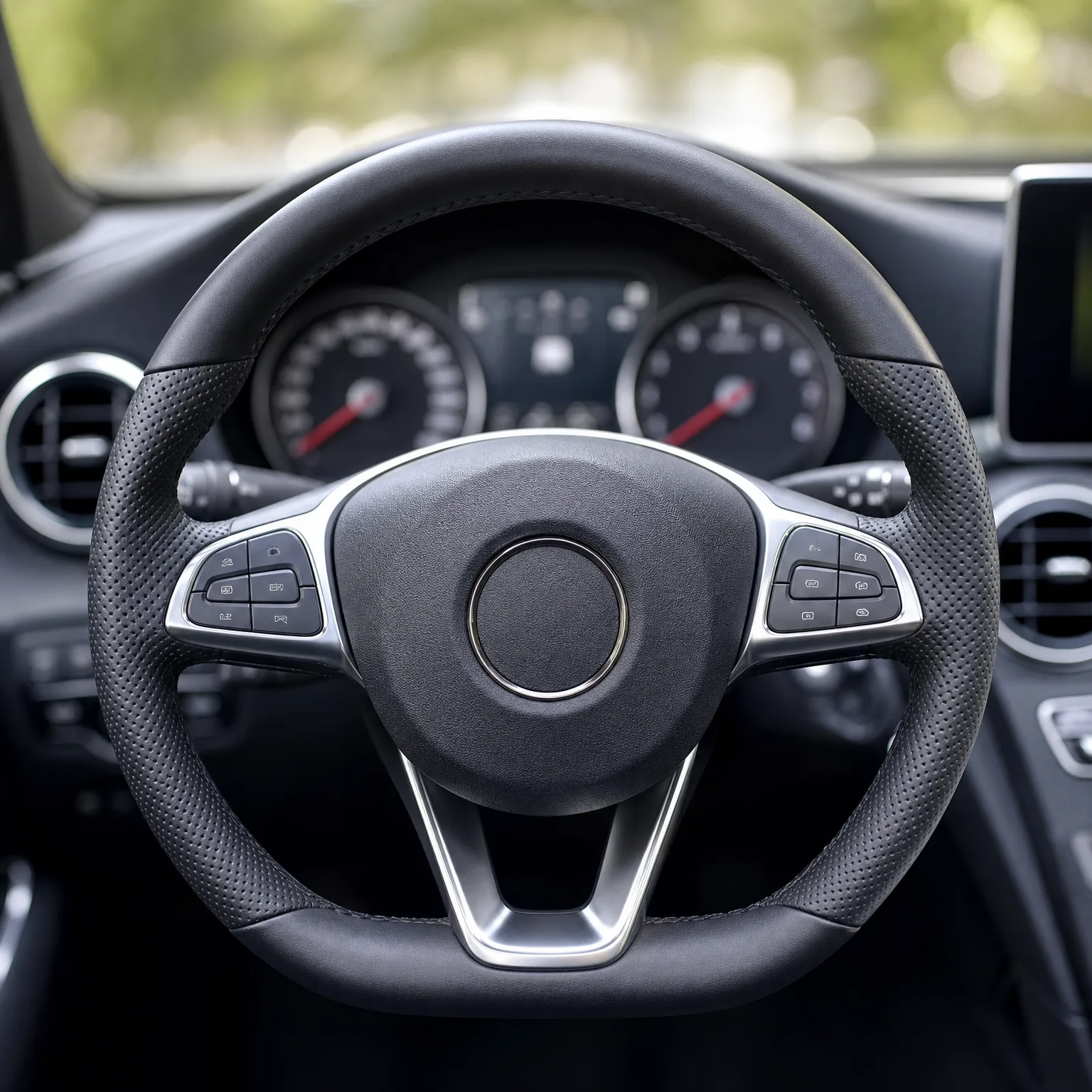
A teen borrows a friend's car for the weekend
Your seventeen-year-old asks to borrow a friend's car to get to a weekend job since your family car is in the shop. The friend's parent says yes and hands over the keys. On the way home, your teen clips a mailbox backing out of a driveway. No one's hurt, but there's damage to the car and the mailbox.
Because the friend's parent gave clear permission, the friend's family policy is the first one that responds, since insurance follows the car. Your own policy may step in if there's a gap, say if the damage costs more than the other policy covers. Nobody calls this a crime because the borrowing was permitted and nothing was concealed. The lesson your family takes from it isn't about asking permission that one time, it's about building a habit of calling the other parent directly before every loan, not just texting the friend, so there's no confusion later about who actually said yes.

Should you let your teen borrow a car with just a friend's okay
If you do
Your teen drives on a friend's word alone. If the friend's parent never actually agreed, an accident turns into a dispute about permission, possibly a police report, and a fight between two insurers about who pays. Your teen could face real legal exposure if the owner claims the car was taken without consent.
If you don't
You call or text the car's owner yourself before every loan and get a clear yes. If anything happens, there's no question about permission, claims move faster, and your teen is protected as a permitted driver. It takes an extra few minutes and removes the biggest source of trouble entirely.
Knowing how permission and coverage work together, compare quotes to see what your own policy gives your teen.
What actually protects your teen when they borrow a car
- Get permission from the owner A friend saying yes isn't the same as the car's owner saying yes. Always confirm with whoever is on the title or policy, not just whoever has the keys.
- Know whose policy pays first Insurance typically follows the car, so the owner's policy usually responds first. Ask directly whether their policy covers other drivers, since some exclude anyone not listed.
- Occasional use isn't regular use Borrowing a car once is different from driving it every week. If it becomes routine, the car may need to be added to a policy instead of treated as a one-time loan.
- Know your own policy's role Your policy may offer backup protection when your teen drives someone else's car with permission. Read the permissive use section so you know what it does and doesn't cover.
- Avoid unauthorized use entirely Driving a car without the owner's consent can carry legal consequences separate from any accident. Make sure your teen never assumes silence means yes.

Does my teen need to be listed on a friend's insurance to drive their car?
No, not for occasional use with permission. Most policies extend coverage to permitted drivers without naming each one. Problems start when the driving becomes regular, since insurers may then expect that driver to be added to the policy. Ask the other car's insurer how they define occasional versus regular use, since definitions vary and affect whether a claim gets paid without dispute.
What happens if my teen gets in an accident in a borrowed car?
The owner's insurance typically responds first since coverage generally follows the car. Your own policy may provide secondary protection if the other coverage runs out or excludes the situation. What changes the outcome is whether permission was clear, whether your teen was listed as an excluded driver anywhere, and what each state's rules say about resident relatives and permissive use.
Can my teen drive my car if they're not on my policy?
Usually yes, if they live with you and drive occasionally, but check your policy directly. Insurers often expect resident relatives of driving age to be listed, especially once they have a license, not just permission. Leaving a teen off the policy can create a dispute at claim time, even if nothing seemed wrong beforehand, so confirm your insurer's specific rule.