
Can You Insure a Car if You Are Not the Owner
Yes, you can insure your teen's car even if the title isn't in your name, as long as the owner agrees and insurable interest exists.
Why insurers care who owns the car and who drives it
Insurance is built around a legal idea called insurable interest, which just means you'd suffer a real financial loss if the car were damaged or stolen. You don't have to hold the title to have that interest. A parent paying for a car, co-signing a loan, or simply letting a teen drive it regularly usually has enough of a stake to insure it.
What insurers actually check is who the primary and regular drivers are, and whether the person buying the policy has a relationship to the vehicle that makes sense. If your teen's car is titled in your name, or in your teen's name but garaged at your address and driven mostly by them, either of you can typically be the policyholder, though the details of who qualifies vary by insurer.
This matters most when the car isn't titled to anyone in your household at all, like a car still owned by a grandparent or a family friend. In that case you'll likely need the owner's written permission, and some insurers want the owner listed on the policy too, even if they never drive the car. Rules here vary by state and by company, so this is worth a direct call before you assume anything.
The cleanest setup is usually the one that matches reality. If your teen will drive the car most of the time and you're paying for it, naming the actual owner correctly and listing your teen as a driver avoids complications later, especially after a claim.
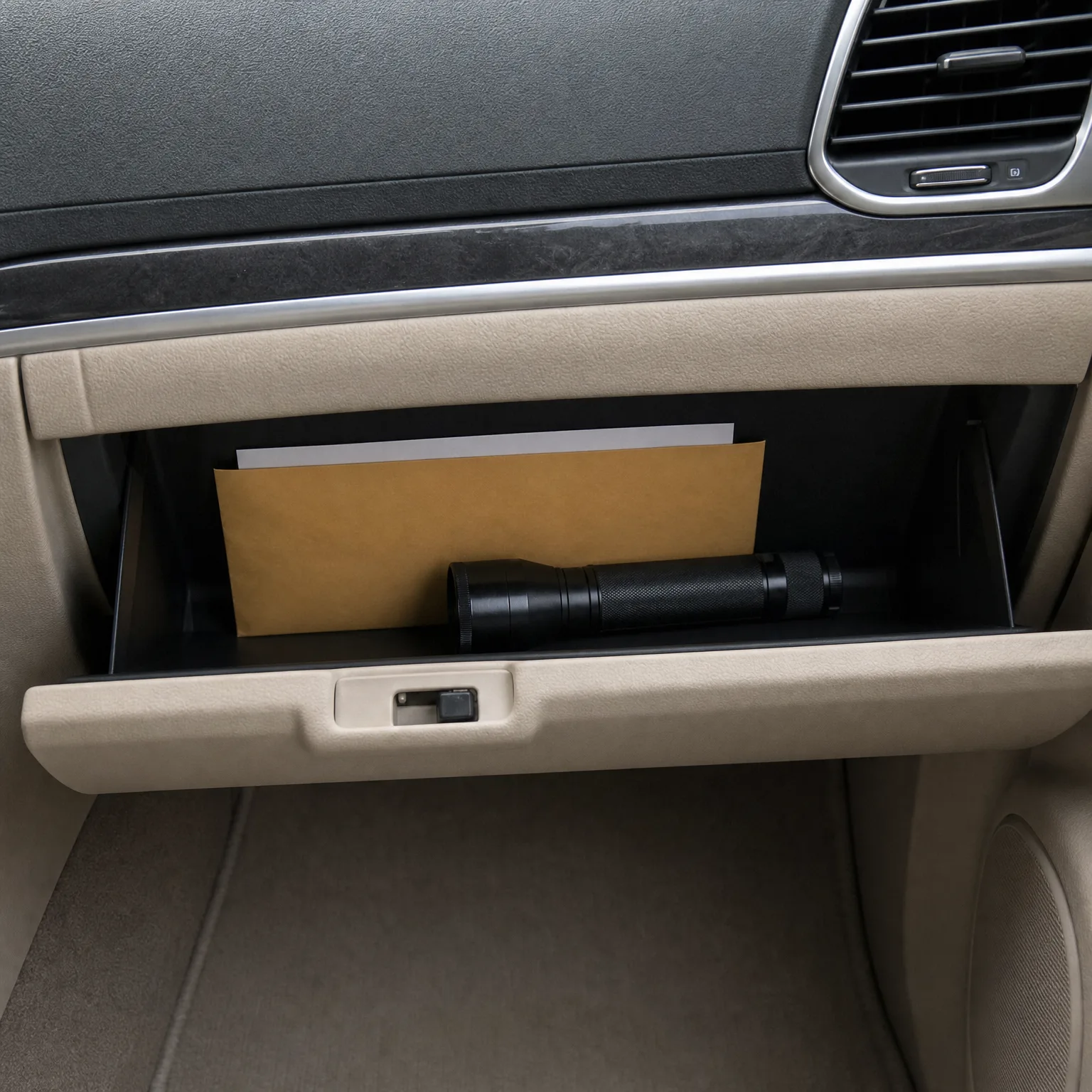
What to line up before you buy the policy
- Confirm the title holder Know exactly whose name is on the car's title before you call an insurer. This determines who can legally be the policyholder in most cases.
- Get written consent if needed If the car isn't titled to anyone in your household, get the owner's permission in writing. Some insurers require this before issuing a policy.
- List the real primary driver Tell the insurer honestly who drives the car most, even if that's your teen and not you. Misrepresenting this can void a claim later.
- Ask about insurer rules Every insurer has its own standard for who qualifies to insure a car they don't own. Ask directly rather than assuming your situation fits.
- Check state title rules Some states tie insurance eligibility closely to title and registration. A quick call to your state's DMV or your insurer clears this up fast.
Owning the title isn't what qualifies you to insure a car, having a real stake in it is.
Once you know who should be named on the policy, compare quotes to see how that setup affects your premium.

Naming the right policyholder now versus guessing
If you do
You confirm the title, get any needed consent, and list your teen accurately as the driver. The policy matches reality, so claims go smoothly. If something happens, the insurer has no grounds to deny coverage over who owns or drives the car. You avoid surprises at the worst possible time.
If you don't
You guess at who should be the policyholder or leave out details about who really drives the car. A claim later reveals the mismatch, and the insurer can delay payment, investigate further, or deny the claim entirely. What seemed like a small shortcut becomes a real financial loss right when you need coverage most.
Does the car need to be in my teen's name for them to be covered?
No. Your teen can be fully covered while driving a car titled in your name, a grandparent's name, or anyone else's, as long as the policy accurately reflects who owns the car and who drives it. What matters to the insurer is honesty about the real situation, not whose name sits on the title.
Where this gets more particular is when ownership is split across households or when the teen is technically an adult living elsewhere. In those cases, insurers may ask more questions or require the car to be insured separately. If your situation is straightforward, meaning your teen lives with you and drives a car kept at your address, you're very likely fine either way, but it's still worth confirming with your insurer so nothing is assumed.