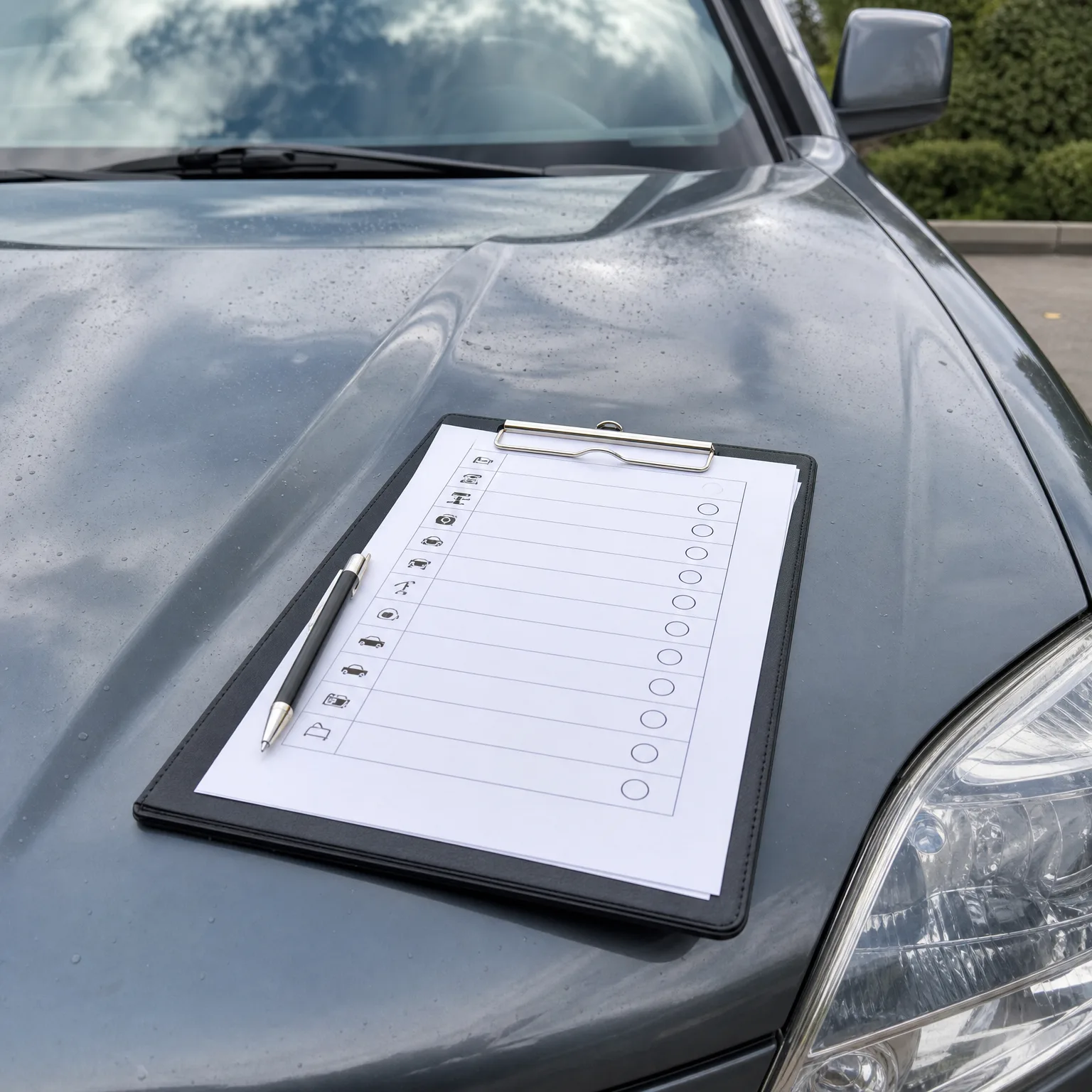
Do I Need to Add All Drivers in My House to My Insurance
If your teen is licensed and living at home, they need to be on your policy before they ever touch the wheel.

What counts as a household driver and what doesn't
- Anyone licensed at your address Your teen counts the moment they get a license, even if they mostly drive their own car. Insurers ask about everyone in the home who can legally drive, not just who drives your car most.
- Permit stage is different Most insurers don't require you to add a permit holder, but check your specific policy. Call your agent when the permit arrives so there are no surprises later.
- Excluding a driver has real risk You can sometimes formally exclude someone from your policy, like a teen with their own separate policy. But if an excluded driver ever drives your car and causes an accident, you may have no coverage at all.
- Away at college still counts A teen at school without a car often still belongs on your policy, sometimes at a lower rate for being away. Tell your insurer the real situation instead of guessing what they want to hear.
- Hiding a driver backfires badly Leaving a driver off to save money is called rating fraud by insurers. If that driver is ever in an accident, the company can deny the claim and cancel your policy.
Will adding my teen driver really raise my rate that much?
Yes, adding a new teen driver almost always raises your premium, sometimes sharply. Teens statistically have more accidents, so insurers price that risk into the household policy rather than writing a separate one.
How much it rises depends on your insurer, your state, your teen's grades, the car they'll drive, and what discounts you qualify for. Older, safer cars with good safety ratings usually cost less to insure than sports cars or newer high-value vehicles.
The increase is real, but it's not fixed. Ask your insurer directly about student discounts, driver training discounts, and whether a telematics or monitored-driving program could lower the cost. Shopping around once your teen is licensed often reveals a real difference between insurers for the exact same coverage, since each company weighs teen risk differently.

Now that you know your teen belongs on the policy, compare quotes to find the insurer pricing that risk most fairly.

Adding your teen now versus waiting and hoping
If you do
You pay more starting today, but every mile your teen drives is actually covered. If something happens, even a minor fender bender, the claim gets paid and your policy stays intact. You also get accurate info to shop around and find the best price for your real situation.
If you don't
You save money every month until something goes wrong. The moment your unlisted teen causes an accident, the insurer can investigate, deny the claim, and cancel your policy entirely. You could end up paying out of pocket for damage and medical bills that insurance was supposed to cover.
Why insurers need to know about every driver in the house
Insurance pricing is built on risk, and risk is tied to who might actually get behind the wheel of your car. When you buy a policy, you're telling the insurer who to expect as a driver so they can price the chance of a claim accurately. A licensed person living in your home is someone the insurer reasonably expects might drive that car, whether or not they usually do.
This is why insurers ask about household members during renewal or when you add a car, and why leaving someone off is treated so seriously. It's not a formality. The insurer priced your policy assuming a certain set of drivers, and an unlisted driver breaks that assumption. If that driver causes a claim, the insurer can argue they never agreed to cover that risk in the first place.
Where this gets less clear is with teens who have their own cars, their own separate policies, or who are away at school most of the year. States and insurers differ on how they want these situations handled, some allow formal exclusions, others want the driver listed with a reduced rate for low usage. This is exactly the kind of detail to ask your agent about directly, because getting it wrong either costs you money you didn't need to spend or coverage you thought you had.
The underlying logic stays the same everywhere even when the specific rules differ. Insurers want an honest picture of who drives your cars, because that picture is what the whole premium is built on. Once you understand that, the right move stops being a guess and becomes a simple matter of giving them accurate information.
Your premium isn't punishing you, it's just matching who actually drives your car.