
Do Red Cars Cost More to Insure
No. Color has nothing to do with your premium, what matters is the car's make, model, age, and who's driving it.
Insurers price the car and driver, not the paint
Insurers set rates using things they can actually tie to risk and cost. Color isn't one of them. What matters is the vehicle's make and model, its safety record, how expensive it is to repair, its engine size, and how often that model gets stolen or filed in claims. None of that has anything to do with whether the car is red, white, or silver.
The idea that red cars cost more probably stuck around because red is associated with speed and sports cars, and sports cars do cost more to insure. But that's the car's performance specs doing the work, not its color. A red sedan with a four-cylinder engine insures the same as an identical white one.
What actually drives your teen's premium is the car itself, your location, your coverage choices, and your teen's age, grades, and driving record. A high-performance car, a two-door coupe, or anything with a reputation for speed will cost more to insure regardless of color, because insurers are pricing the likelihood and cost of a claim.
This holds true everywhere. No state or insurer factors paint color into a quote. If a quote ever seems to shift when you mention color, something else changed, like the specific trim or model year you're describing.
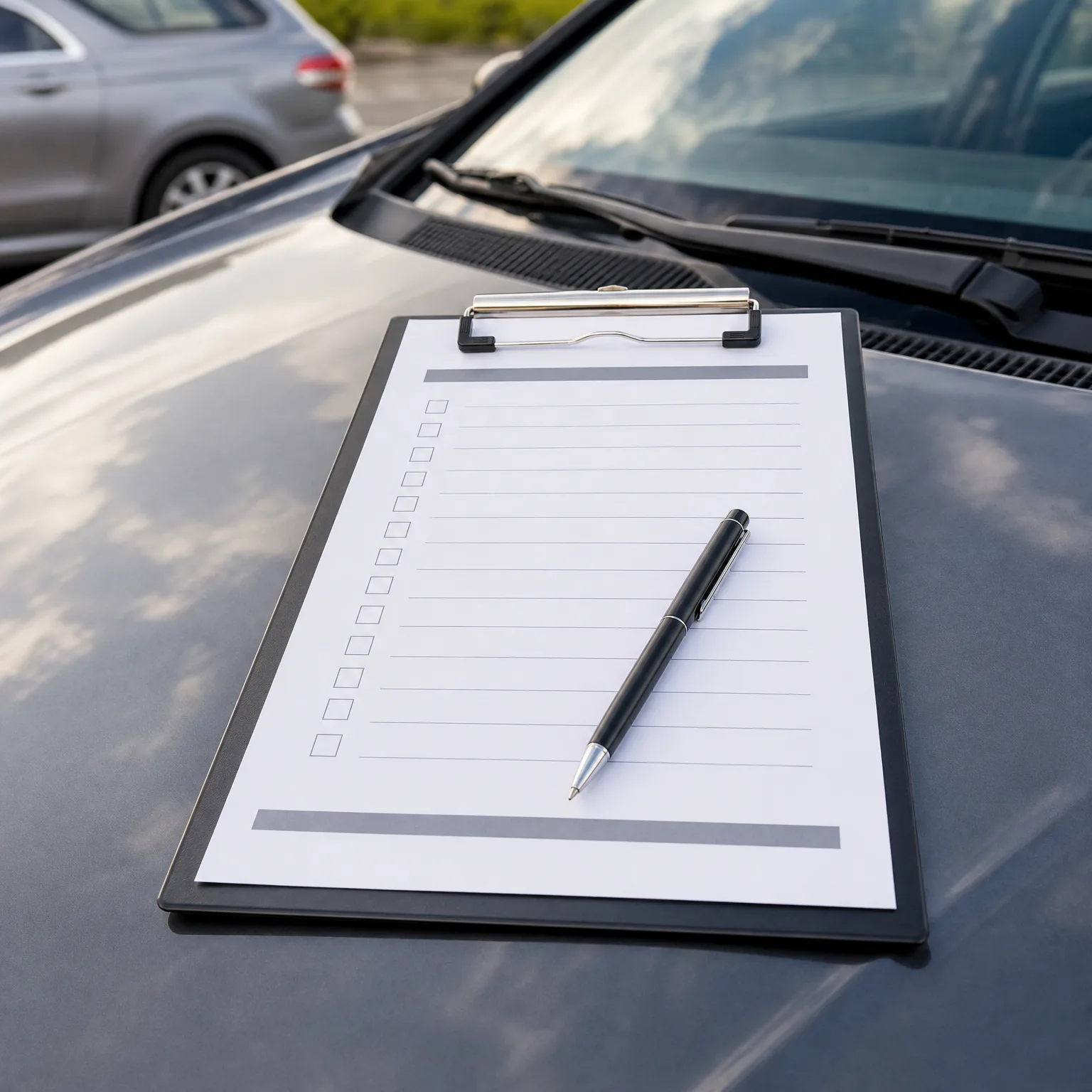
What actually moves your teen's premium
- The car's model, not its color Sports cars, coupes, and high-horsepower models cost more to insure. Choose a practical, well-rated sedan or SUV for your teen instead of a flashy trim.
- Your teen as a driver Age, driving record, and grades matter far more than the car. Ask about any good-student or driver-training discounts your insurer offers.
- Where you live and park Rates vary by state and even by neighborhood due to accident and theft rates. Check how your specific address affects the quote, not just your state average.
- Coverage levels you pick Liability limits and whether you carry comprehensive and collision change the price a lot. Decide coverage based on the car's value, not just the lowest sticker price.
- How the car is titled and used Whether the car is titled to you or your teen, and how it's used, can affect the quote. Ask your insurer how they want the car listed before you buy or register it.

Stop worrying about color and start comparing the car's model and safety record instead.
Knowing it's the car's model that matters, not its color, compare quotes using that car.
What car should I actually buy or hand down to my teen driver?
Choose a car that's practical, not exciting. The safest and cheapest option for a teen driver is usually a mid-size sedan or SUV with a modest engine, a strong safety record, and a good reputation for reliability. Avoid two-door sports cars, anything with a powerful engine, and vehicles that are frequently stolen or expensive to repair, since all of those raise the premium regardless of color.
If you're deciding between a hand-me-down family car and a car bought specifically for your teen, the hand-me-down is often cheaper to insure because it's usually older and less valuable. But check its safety ratings too, since older doesn't always mean safer. Ask your insurer for a quote on the specific model before you commit, because the difference between two similar-looking cars can be larger than you'd expect.
Does adding a teen driver to my policy always raise my rate?
Yes, almost always, because insurers see new, inexperienced drivers as higher risk. How much it rises depends on your teen's age, the car they'll drive, and your location. Ask your insurer directly for the new premium before and after adding your teen, and ask what discounts might offset it, like good grades or a driver training course.
Should my teen have their own policy instead of staying on mine?
Usually no, staying on your policy is cheaper, because insurers often give a discount for multiple drivers and vehicles on one account. A separate policy can make sense later, once your teen moves out permanently or buys their own car outright. Ask your insurer how they'd price each option for your specific situation before deciding.
What happens to my rate if my teen gets a ticket or an accident?
Your premium will likely increase, and how much depends on the violation, your insurer, and your state's rules. A minor ticket raises it less than an at-fault accident does. Ask your insurer how long an incident stays on record and whether a safe-driving course can reduce the impact afterward.


