
Do Teen Drivers Need Full Coverage
If the car is worth much at all, your teen needs full coverage, because they're the most likely driver to total it.

What decides whether full coverage makes sense
- Car's actual value If the car is old and worth very little, full coverage may cost more than it would ever pay out. Look up what the car is actually worth before deciding either way.
- Who's really driving it A newer or shared family car with a teen behind the wheel often needs full coverage to protect it. Check which car your teen drives most and insure that one properly.
- Your ability to replace the car If you couldn't easily pay to replace the car out of pocket, full coverage protects your own finances, not just the teen. Ask yourself what a total loss would actually cost you.
- Loan or lease terms If the car is financed or leased, the lender almost always requires full coverage. Check your loan paperwork, this isn't optional in that case.
- State minimum limits Liability-only coverage meets the legal minimum but won't pay for your own car's damage. Check your state's minimum requirements so you know what liability alone actually covers.
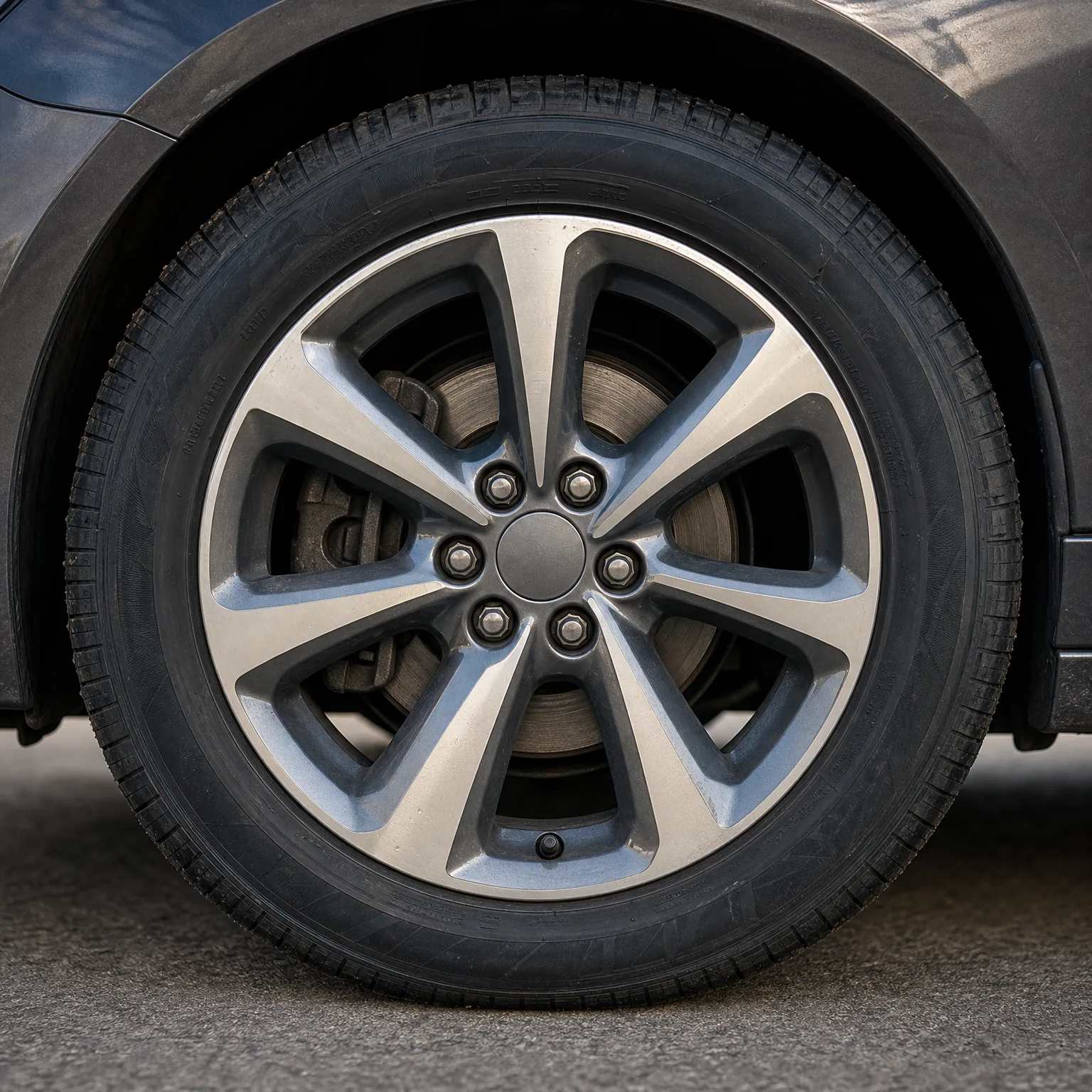
A family deciding on an older second car
A parent had an older sedan the teen would mostly drive to school and work. The car was worth little, and the parent considered dropping full coverage to save money right after the teen got licensed. They paused and looked up the car's value, then compared it to what full coverage would cost over a year.
The number was close enough that they decided to keep full coverage for the first year, reasoning that a new driver is statistically more likely to cause an accident early on. They planned to reassess after a year of clean driving, when the premium would likely drop and the car's value would have dropped too. A year later, with no claims, they switched that car to liability-only and kept full coverage on the newer family car the teen had started driving more often.
The question isn't the car's value, it's whether you could absorb an accident's cost.
Once you know whether full coverage fits your teen's car and your budget, compare quotes to see the real cost.

Whether you keep full coverage on the teen's car
If you do
Your teen's car and injuries from an at-fault accident are covered, and you can get the car repaired or replaced without paying out of pocket. Your premium is higher now, but you're protected during the riskiest years of their driving.
If you don't
You save money every month, but a single at-fault accident means paying for repairs or a replacement car yourself. For a new driver, this risk is higher than it will be later, so weigh the savings against what you could actually afford to lose.
Why insurers and parents both treat teen drivers differently
New drivers cause more accidents than experienced ones, and insurers price policies around that fact. Full coverage exists to protect the car itself, not just other people, and a new driver is the one most likely to need that protection in the first few years. That's the core reason full coverage gets recommended so often for teens, regardless of what it costs.
The decision changes based on the car, though. An inexpensive older car that's already depreciated a lot may not be worth insuring beyond liability, because the payout in a total loss could be close to what you'd pay in premiums anyway. A newer or more valuable car almost always justifies full coverage, especially with a new driver behind the wheel.
Lenders and leasing companies complicate this further. If the car is financed, full coverage usually isn't a choice, it's a requirement written into the loan. That removes the decision entirely for many families, since the car isn't fully theirs until it's paid off.
Finally, your own financial situation matters as much as the car's value. Full coverage is really about protecting you from an expense you can't easily absorb, not just protecting the vehicle. If a totaled car would strain your finances, that's reason enough to keep full coverage even on a car that's worth less, at least until your teen has more experience and a cleaner record.
Will full coverage get cheaper once my teen has more experience?
Yes, in most cases. Insurers price risk based partly on experience, and a few years of clean driving typically brings the premium down, sometimes substantially. The sharpest drop usually comes after the first few years, when your teen moves out of the highest-risk period for new drivers.
This isn't guaranteed everywhere, and it depends on your insurer's specific rules and your state's regulations. Some insurers reward clean records faster than others, and a moving violation or accident during those early years can delay the decrease. Check with your insurer about how they factor in driving history over time, and ask what specifically would help lower the cost as your teen gains experience.


