
Does a 16 Year Old Need Full Coverage Insurance
If the car is worth much or still financed, full coverage protects you, not just your teen.
The car's value decides this, not your teen's age
Full coverage means you've added collision and comprehensive to the liability insurance your state already requires. Liability pays for damage your teen causes to other people and their property. Collision and comprehensive pay to repair or replace your own car after an accident, theft or weather damage. The question isn't whether your teen is a safe driver. It's whether you could afford to replace the car without that coverage.
If you have a loan or lease on the car, the lender almost always requires full coverage anyway, so the decision is already made for you. Check your loan documents or ask the lender directly if you're not sure.
If you own the car outright, the math is simpler. A car worth very little isn't worth paying extra premium to protect, because the payout in a claim would be small. A newer or more valuable car is a different story, especially if replacing it would strain your budget. Teen drivers statistically file more claims than experienced drivers, so the coverage gets used more often than you'd expect with an older driver on the policy.
Some parents choose to put their teen on an older, fully paid off car specifically to avoid this decision. That's a legitimate strategy, not a shortcut. If that's your situation, you may be able to carry only liability and skip full coverage entirely, as long as your state and lender don't require more.
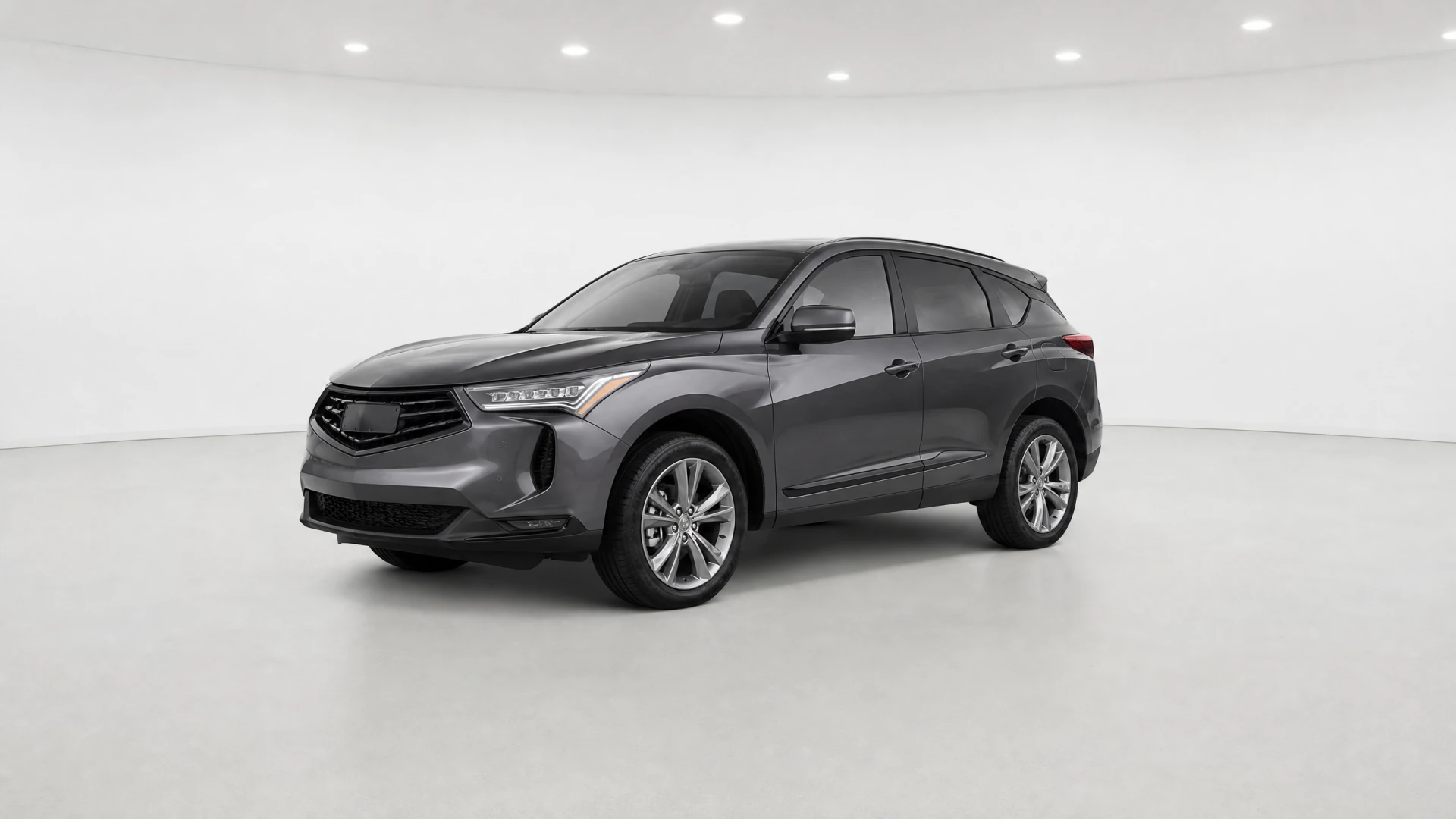
The short version
Full coverage matters most when the car has real value or a loan attached, not because your teen is new to driving. Check your loan terms first, since lenders usually require it. If the car is paid off and low in value, you can often skip full coverage and keep just the liability your state requires.
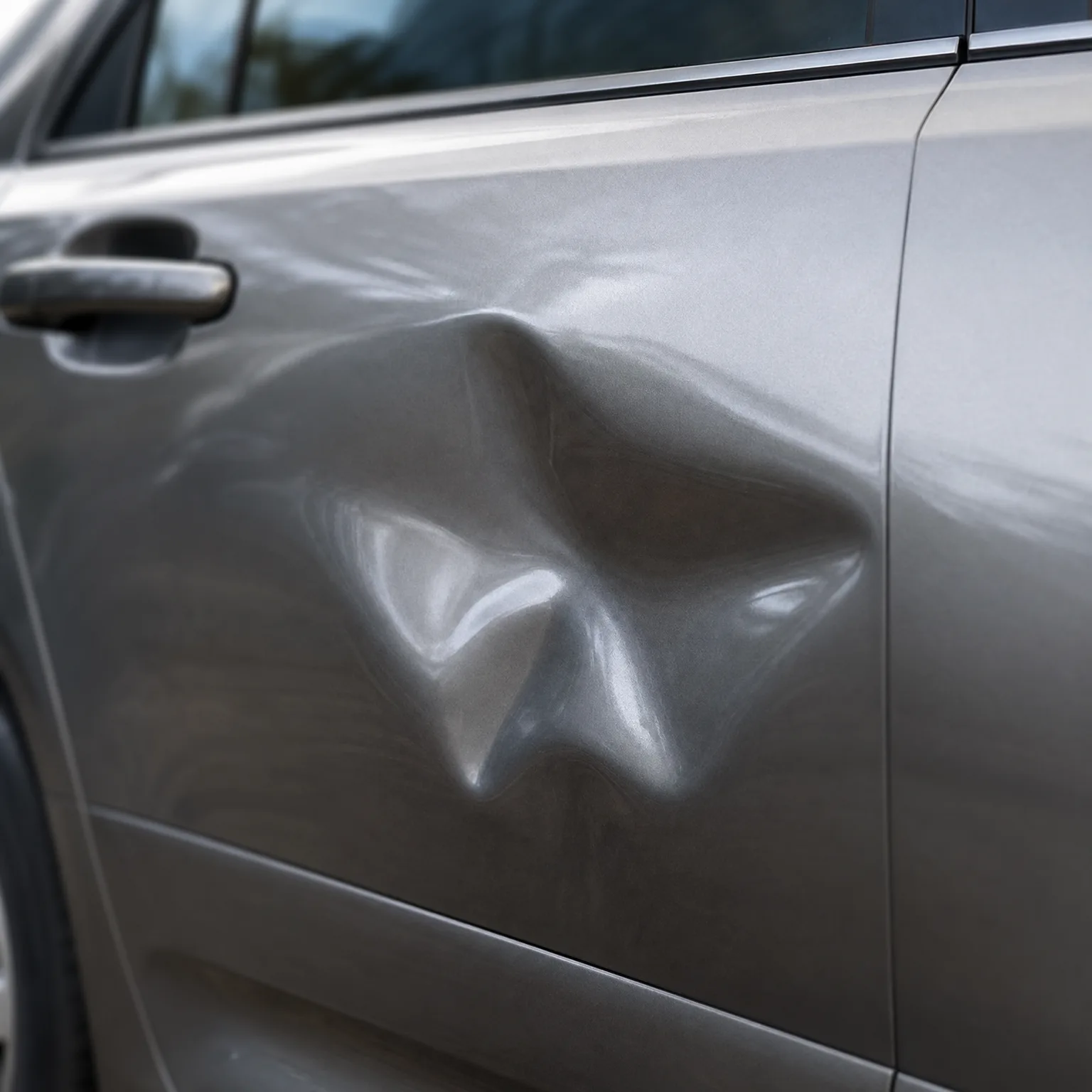
A family deciding between two cars for their teen
A parent had two cars to choose from for their newly licensed daughter. One was a ten year old sedan they owned outright, worth very little. The other was a five year old car still being paid off, worth considerably more. They called their lender and confirmed the financed car required full coverage no matter who drove it, so that decision was made for them.
For the older car, they ran the numbers both ways. Adding full coverage cost more each month than they expected, given how claim prone teen drivers are statistically. They decided the car's value didn't justify that extra cost, so they kept only liability on it and let their daughter drive the older car most of the time. They kept the financed car for themselves. The arrangement meant lower premiums overall, and they knew exactly why they'd made that choice instead of guessing at it.
Once you know whether the car's value and loan call for full coverage, compare quotes to see the real cost.

Choosing full coverage over liability only
If you do
You're covered if your teen crashes the car itself, not just other people's property. A deer strike, a parking lot mistake, a stolen car all get paid out. You pay more in premium every month for that protection, and the cost rises further with a teen driver on the policy.
If you don't
You save money every month, sometimes significantly. But if your teen damages or totals the car in an at fault accident, you pay out of pocket to repair or replace it. For an older, low value car, that risk may be one you can accept.
What actually drives this decision
- Check the loan first If the car is financed or leased, the lender almost certainly requires full coverage regardless of the driver's age. This isn't optional, so confirm it before you compare anything else.
- Weigh the car's value A car worth little isn't worth the extra premium for collision and comprehensive. A newer or pricier car usually is, especially if replacing it would be a financial strain.
- Expect a higher premium Teen drivers raise cost more than almost any other factor on a policy. Full coverage on top of that compounds the increase, so get an actual quote rather than guessing.
- Consider which car they drive Some families put the teen on the older, paid off car specifically to avoid full coverage costs. It's a practical way to balance protection against budget.
- Ask about discounts separately Good student discounts, driver training completion and telematics programs can offset some of the increase. These vary by insurer, so ask directly rather than assuming none apply.
Will adding my teen to my policy cancel my own discounts?
It can affect some discounts tied to your driving record or household risk, but it depends on the insurer. Multi car and loyalty discounts usually stay intact. Ask your insurer directly which discounts are tied to individual drivers versus the household, since this varies enough that a general answer won't be reliable for your specific policy.
Is it cheaper to put my teen on their own policy?
Usually not, since teens on their own policy lose access to the household's established driving history and multi car pricing. Keeping them on your policy as an added driver is typically cheaper. The exception is if your own driving record has issues that are raising your base rate, in which case a separate policy for the teen might isolate that cost. Get quotes both ways to know for sure.
Does the type of car my teen drives change the insurance cost?
Yes, significantly. Sports cars, high horsepower vehicles and anything with a high theft rate or expensive repair costs all raise premiums further. A modest, safe rated sedan is typically the cheapest option for a teen driver. If you're choosing a car specifically for your teen, ask for quotes on a few options before deciding, since the difference can be substantial.


