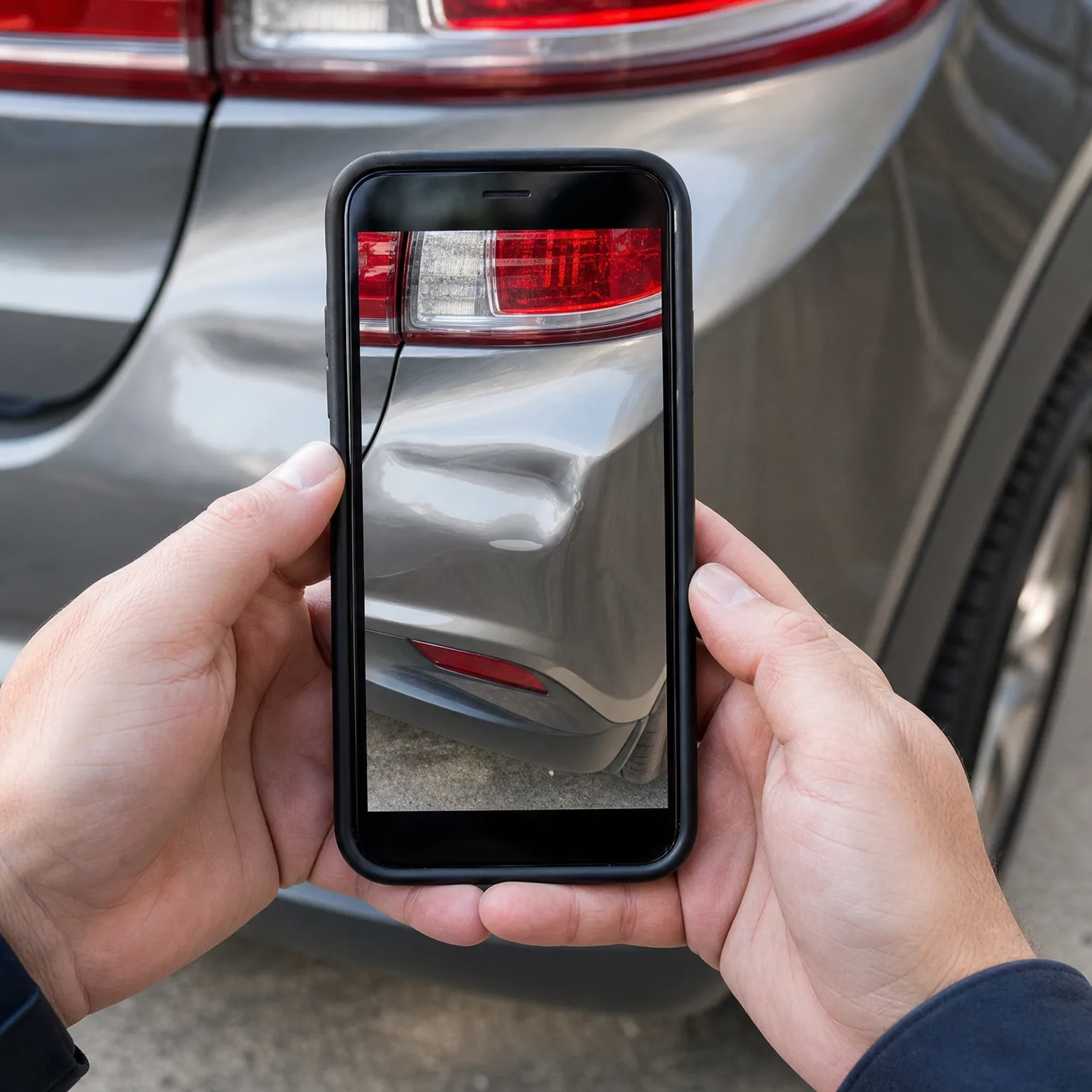
Does a Car Black Box Record Audio
No. The device that tracks a crash records speed and braking, not sound, so it can't pick up conversations in the car.

What your car's black box actually tracks
- Speed and braking It logs how fast the car was going and how hard the brakes were applied before a crash. This is the data an insurer or investigator pulls after an incident, not conversation.
- Steering and seatbelt use It records steering input and whether seatbelts were buckled at the moment of impact. This matters for your teen because it shows habits, not just outcomes.
- No microphone involved The standard recorder has no audio component at all. Don't confuse it with a separate dash cam or telematics app, which might include a mic if you add one.
- Short recording window It only saves a few seconds around a crash or hard event, not your teen's whole drive. Check your owner's manual if you want the exact trigger conditions.
- Insurer apps differ If your insurer offers a usage based program, that's a separate device or app, and some of those do track location or phone use. Read what each one collects before you sign up.
Can a parent listen to what happens in the car by other means?
Not through the standard crash recorder, since it has no microphone and never stores audio. If you want to know what happens during your teen's drives, you'd need a separate tool, like a dash cam with audio recording or a phone app built for monitoring new drivers.
Those are optional and separate from anything required by law or by your insurer. Some parents add them for peace of mind during the first months of driving, others rely on conversation and trust instead. If you do add one, tell your teen it's there. A hidden recording device tends to damage trust faster than it builds safety, and most of what you actually need for insurance purposes comes from the crash data alone, not from audio.
The data that protects your teen in a crash isn't the data that watches them drive.
Once you know what's actually being recorded, compare quotes with a clear sense of what you're really paying for.
Why the recorder only cares about physics, not conversation
The event data recorder exists for one purpose, which is reconstructing what the car was doing in the moments before a crash. Speed, braking, throttle position, seatbelt status, these are mechanical facts that matter for safety investigations and crash analysis. Audio was never part of that design goal, so no manufacturer built a microphone into the system.
The reason this matters for you as a parent is that the worry about surveillance and the worry about safety are actually two different questions. The crash recorder answers questions after something has already gone wrong. It won't tell you whether your teen was on the phone, arguing with a friend, or blasting music, because none of that is audio or video, it's only motion and force.
Where this gets more complicated is with insurer telematics programs, which are a separate system entirely. Some of these use a plug in device or a phone app, and depending on the program and the state, they can track location, phone handling, and driving patterns over time, not just crash moments. If your insurer offers one of these for a new driver discount, read exactly what it collects before opting in, since programs vary widely in what they log and how long they keep it.
The practical case where this distinction matters most is after a fender bender involving your teen. You might expect the car to have a recording of what was said or what distracted them. It doesn't. What you get instead is a short technical snapshot, and that's often enough for an insurance claim, but it won't resolve questions about judgment or attention. For that, you're back to talking with your teen directly.

Do insurers use black box data to raise a teen's rate after a crash?
Sometimes, but usually only if you're enrolled in a telematics or usage based program, since the standard crash recorder data typically isn't pulled unless there's a claim or legal dispute. Ask your insurer directly whether your policy includes any ongoing monitoring, and what triggers a rate change. This varies a lot by company and by state, so check your specific policy terms rather than assuming.
Can I install my own tracking device to monitor my teen's driving?
Yes, and many parents do, using a phone app or a separate plug in device made for this purpose. These are different from the crash recorder built into the car and can show location, speed, and sometimes hard braking in real time. Check reviews and privacy terms before choosing one, since quality and what they share varies widely between products.
Does the black box turn off if I disconnect the car battery?
Briefly disconnecting the battery doesn't erase the recorder's stored data in most vehicles, since it usually has its own backup capacitor or stores data in nonvolatile memory. Attempting to disable or tamper with it can also cause problems with insurance claims or legal proceedings after a crash. Check your owner's manual if you have specific concerns, since design varies by manufacturer and model year.