
Does a Learner Permit Increase Your Car Insurance
In most cases, adding a permitted teen to your policy raises your premium a little, but not as much as waiting until they're fully licensed.
Insurers price the risk the moment your teen can legally drive
A learner's permit means your teen can get behind the wheel, even with a licensed adult next to them. Insurers see that as new risk entering the household, so most will ask you to list the permitted driver on your policy or at least disclose them. The increase tends to be modest at this stage because a supervising adult is still legally required to be present, which limits the actual exposure compared to a teen driving solo.
The bigger jump usually comes later, when the permit becomes a full license and your teen can drive unsupervised. That's when insurers treat them as a primary or occasional driver in their own right, and the rate reflects that. Getting ahead of this by adding them during the permit stage often means you're not blindsided by a much larger increase all at once later.
How this gets handled varies by state and by insurer. Some require you to add a permitted driver right away, others let you wait until the license is issued, and some treat the permit stage as nearly free as long as supervision rules are followed. Check your policy documents or ask your agent directly what your state and insurer require, because the rules genuinely differ and guessing wrong can leave a gap in coverage.
The exception is when a teen has their own policy entirely separate from yours, which is unusual at this age but does happen in some households. In that case the permit stage is priced independently, and the household policy isn't affected the same way.

The short version
Adding a permitted teen typically raises your premium a small amount, since supervision requirements limit the real risk at this stage. The bigger cost comes when the permit becomes a full license. Call your insurer now to confirm your state's rule on when a permitted driver must be listed.
Should you wait to add your teen until they get their full license?
No, in most cases you shouldn't wait, even if your state technically allows it. Insurers can deny a claim or cancel your policy if they find out a regular driver in your household wasn't disclosed, and a permitted teen who drives often counts as regular, even with supervision.
The modest increase now is the cost of being covered if something happens during practice driving, which is exactly when new drivers are most likely to make a mistake. Waiting to save money in the short term risks a much larger problem if a claim gets denied over an undisclosed driver. Ask your insurer directly whether your state requires disclosure at the permit stage, and if they say it's optional, weigh that small savings against the risk of a dispute later.
Now that you know what to expect, compare quotes to find the best rate for your teen's permit.

Whether you add your permitted teen to the policy now
If you do
You pay a bit more starting now, but you're protected if your teen is driving when something happens, even during supervised practice. Your insurer already knows about your teen, so there's no awkward disclosure question later. It also gives you a clearer, smaller version of the cost that's coming when the full license arrives.
If you don't
You save money for now, but if your teen drives and gets into an incident, even supervised, the insurer may investigate whether they should've been listed. That can mean a denied claim or a canceled policy. You also won't see the real cost until the full license hits, which makes it harder to budget.
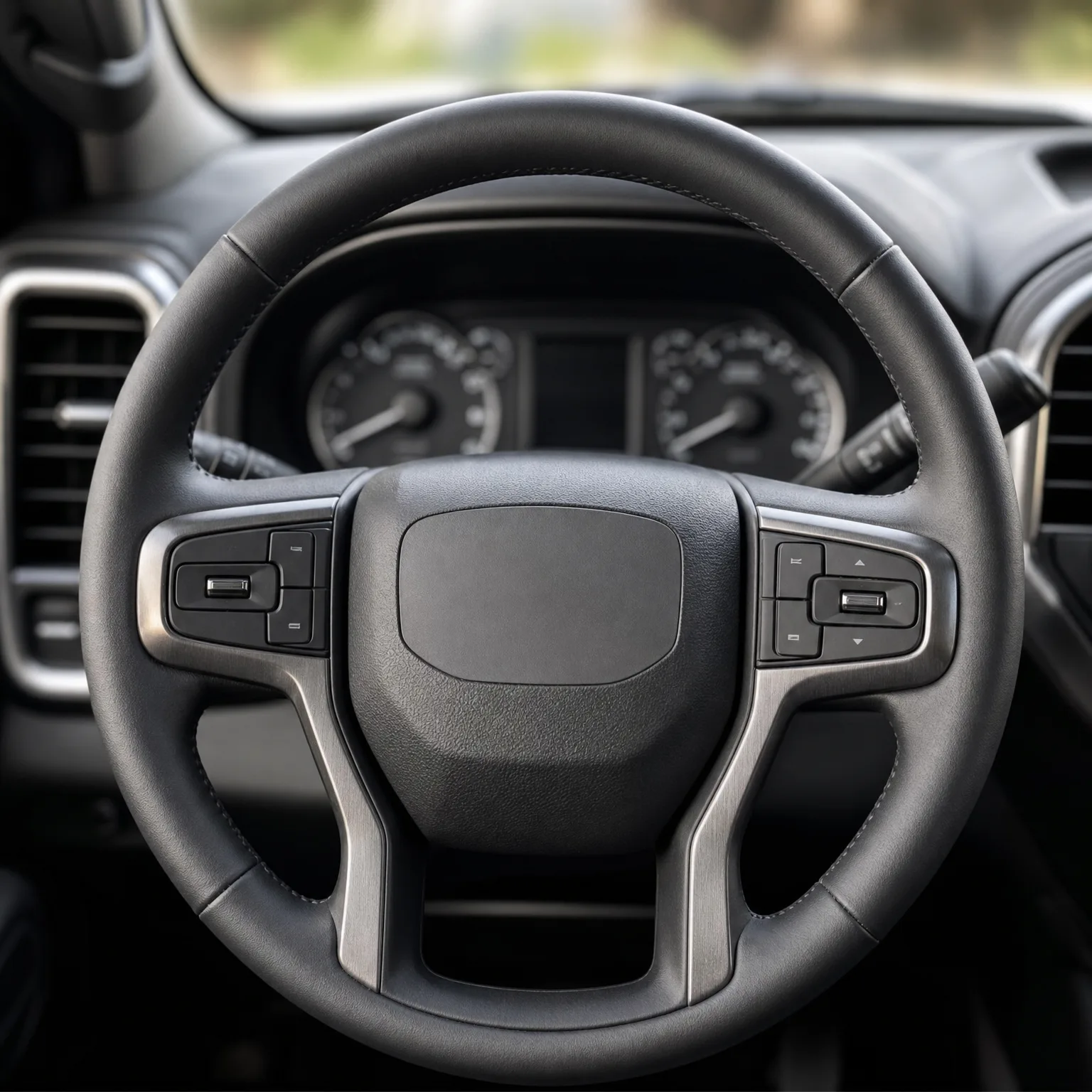
A permit, a part-time job, and a question about who's really driving
A parent got their teen's learner's permit squared away and figured there was no rush to call the insurance company, since the teen couldn't drive alone yet anyway. A few months in, the teen started practicing daily on the way to a part-time job, always with a parent in the passenger seat, technically following the rules. The parent hadn't thought to mention any of this to the insurer, assuming the supervision requirement meant it didn't matter yet.
Then a minor fender bender happened in a parking lot, with the parent sitting right there. When the claim was filed, the insurer asked who was driving, and the undisclosed permit became a real issue during the review. The claim was eventually paid, but only after back and forth that could've been avoided. The parent called afterward, added the teen officially, and found the premium increase was smaller than expected, especially compared to the stress of the claims process. Looking back, they realized the call should've happened the day the permit arrived, not after the first incident.
Does my teen need their own insurance policy once they have a permit?
No, almost always your teen stays on your existing policy rather than getting their own. Insurers typically want permitted and newly licensed teens added as drivers under a parent's policy, not carrying separate coverage, since they're still dependent and usually driving a household vehicle. A separate policy becomes relevant later, often when they move out, buy their own car, or aren't primarily driving your vehicles anymore. Ask your insurer what triggers that change, since it varies by company and by state.
Will my rate go up again when my teen gets their full license?
Yes, expect another increase when the permit becomes a full license, and it's typically larger than the permit-stage bump. That's because a fully licensed teen can drive unsupervised, which insurers treat as meaningfully more risk than a supervised permit holder. The exact size of that increase depends on your insurer, your teen's driving record so far, and sometimes the car they'll be driving. Ask your insurer for an estimate of the post-license rate while your teen still has the permit, so you're not surprised later.
Can I remove my teen from my policy once they move out or get their own car?
Yes, in most cases you can remove them once they're no longer living at home or regularly driving a household vehicle, but the exact requirements depend on your insurer and sometimes your state. Some insurers want proof of address change or their own separate policy before they'll remove them from yours. Ask your insurer what documentation they need, since removing a driver incorrectly can leave gaps if they still occasionally drive your car during visits home.