Does a Minor Crash Affect Insurance
A minor crash almost always raises your rate, because insurers treat a new driver's first accident as a signal, not a one-time event.

What decides how much a small crash costs you
- Who was at fault If your teen is found at fault, the increase is bigger and lasts longer. If the other driver caused it, your rates often stay close to where they were.
- Insurer's first-accident rules Some insurers forgive a first accident for any driver, others only for long-time customers. Call and ask directly whether this applies to your policy before you assume either way.
- How the claim gets filed A claim that goes through insurance shows up in your history even if the damage was small. Paying out of pocket keeps it off your record, so weigh the repair cost against the rate increase first.
- State rules on rate hikes Some states limit how much a single minor accident can raise a premium or how long it stays on file. Ask your insurer what your state allows before you decide how to handle the claim.
- Other marks already on file A first minor crash alone usually costs less than a crash stacked on a ticket or an earlier claim. Keep an eye on your teen's full record, not just this one event.
Will one minor crash make my teen's insurance unaffordable?
Unlikely, unless it happens alongside tickets or other claims already on the record. Most insurers price a first minor crash as an increase, not a cutoff. You stay insured, you just pay more for a period of time.
What changes the math is pattern. One crash reads as a new driver learning. A second crash within a short stretch reads as risk that keeps repeating, and insurers price that much more steeply. If your teen has a clean record otherwise, this crash is a setback, not a crisis.
If cost becomes a real problem, ask your insurer about options built for teens with a recent claim, and compare quotes elsewhere before assuming your current insurer is still your best option. Rates for this exact situation vary more between insurers than people expect.

Should you file the claim or pay for the damage yourself
If you do
Filing protects you if repair costs turn out higher than expected, and keeps you covered if there's a dispute over what happened. But the claim becomes part of your teen's history, and you'll likely see a rate increase at your next renewal that lasts for a while.
If you don't
Paying out of pocket for minor damage can keep your record clean and your rate steady. But you take on the full repair cost yourself, and if the damage turns out worse than it looked, or someone claims injury later, you have no coverage backing you up.
Now that you know how a minor crash affects your rate, compare quotes to see what it costs with a different insurer.
A fender bender in a parking lot
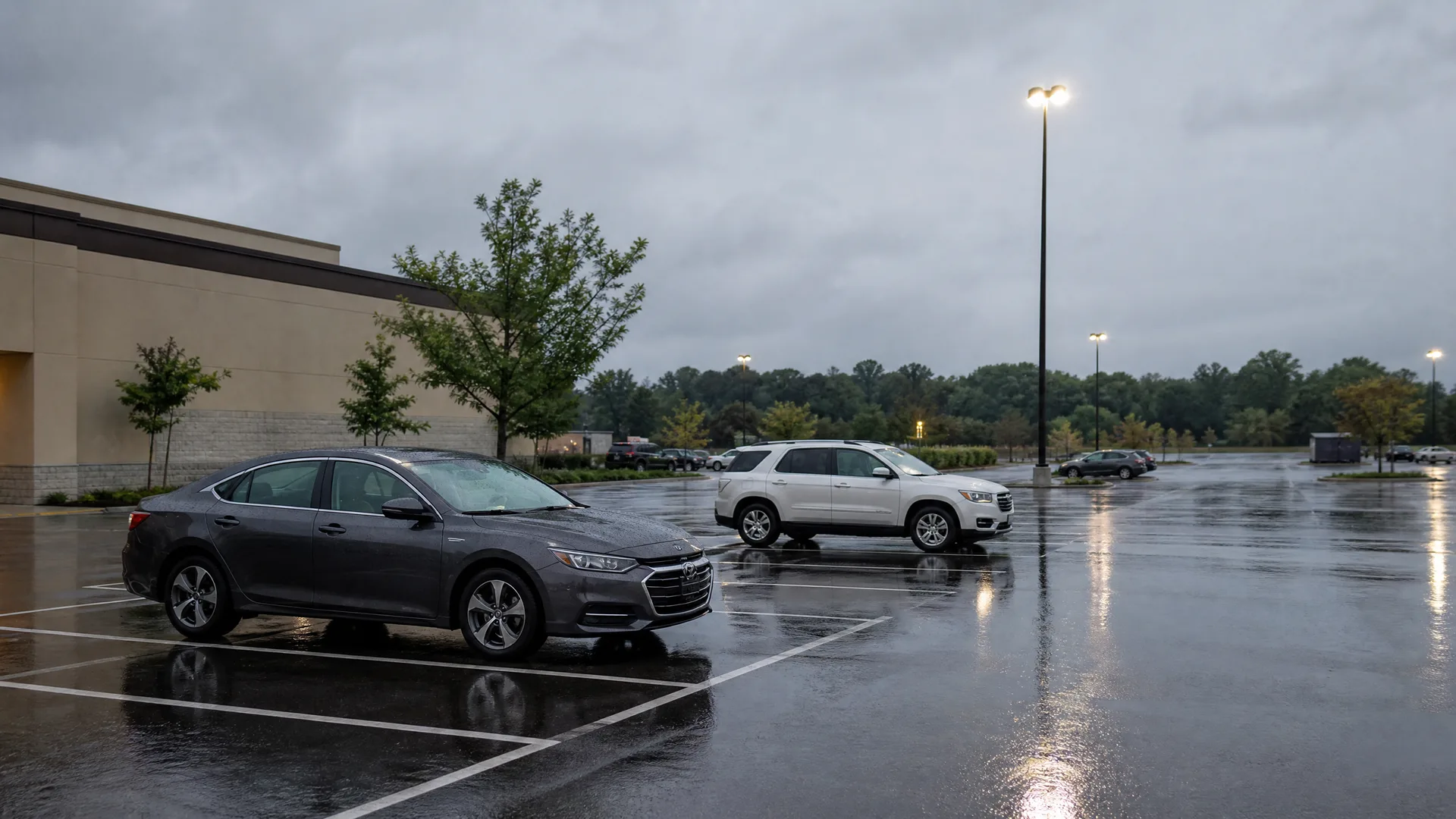
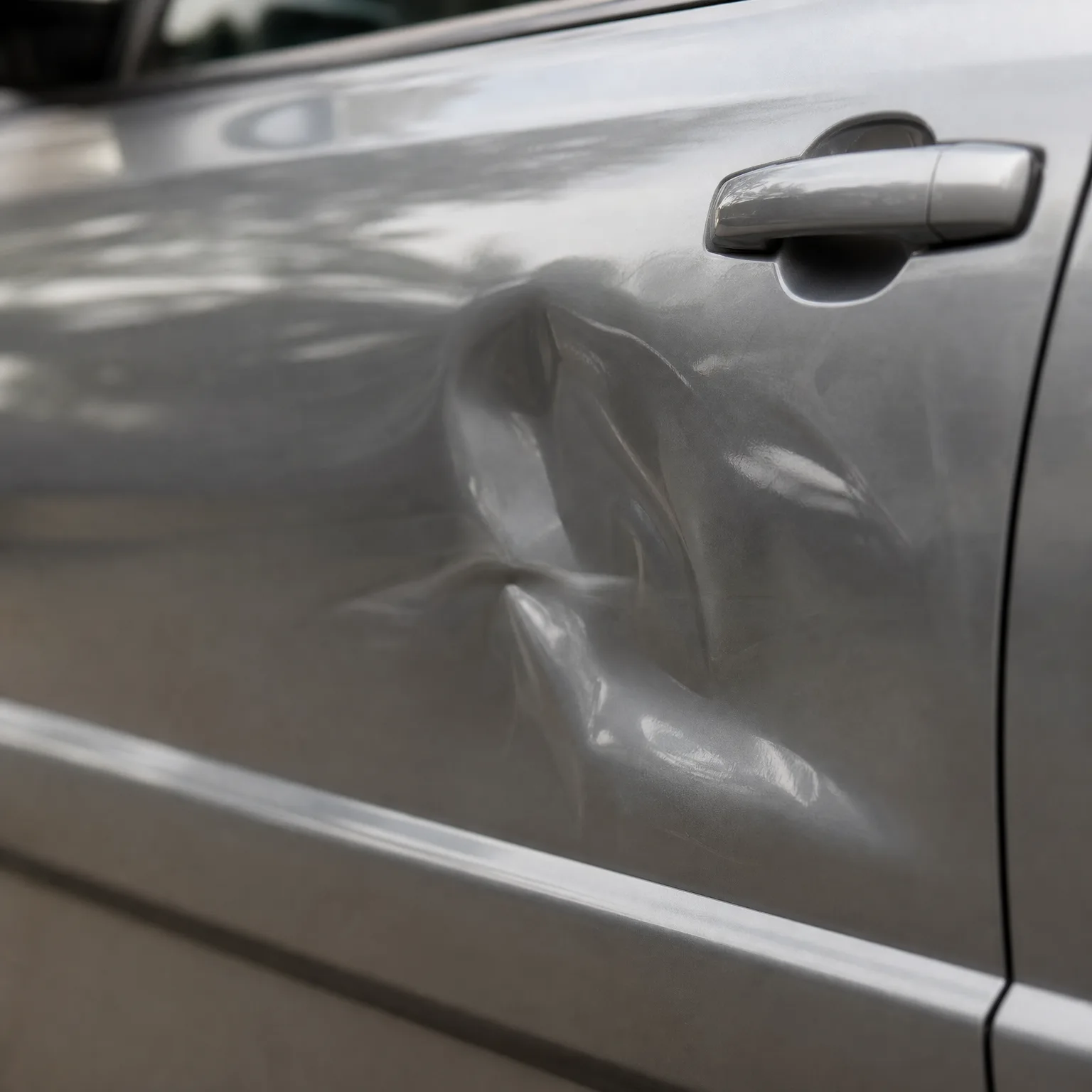
Your seventeen-year-old backs into a parked car outside school. Nobody's hurt, both bumpers are scuffed, and the other driver wants to settle it without police involved. You're standing in the parking lot deciding whether to call your insurer or just pay for both repairs directly.
You check the estimate first, a few hundred dollars for each car, and call your insurer to ask how a claim at that size would affect your rate going forward and whether a first-accident forgiveness rule applies to your policy. They tell you it doesn't, since you've only been with them two years, and that a claim this size would raise your premium noticeably for a few years. You decide to pay both repair bills yourself, get a signed statement from the other driver that it's settled, and keep the incident off your insurance record entirely. Your teen still has the conversation about following distance and mirror checks, but your rate doesn't move.
Why a small crash still moves the number
Insurers aren't pricing the dent, they're pricing what the dent tells them. A crash in the first year or two of driving is data about how a driver handles a car under real conditions, and insurers treat a new driver's actual record as far more predictive than the general risk they assumed when they first added your teen to the policy. That's why even a low-cost claim moves the number more than the repair bill would suggest.
Fault matters because it answers the question insurers actually care about, which is whether your teen caused the risk or was caught in someone else's. An at-fault crash confirms the cautious pricing insurers already apply to new drivers. A not-at-fault crash doesn't tell them much new, so it often leaves your rate close to untouched.
This is also where insurers differ most. Some have formal accident forgiveness that protects a first claim regardless of who's on the policy. Others only extend it to drivers with a long history with them, which rarely includes a teen in their first year. And state rules add another layer, since some states cap how much one claim can raise a premium or require insurers to disclose the increase before it applies. None of this is universal, so the only way to know your real exposure is to ask your own insurer directly.
The case where this plays out differently is when the crash is minor enough that paying for it yourself is realistic. Once you remove the claim from the insurance side entirely, none of the forgiveness rules or state caps matter, because there's nothing on file to price. That's a real option, not a workaround, and it's worth considering before you report anything small.