
Does Car Color Affect Insurance
No, your car's color has no effect on insurance rates, no matter what anyone claims about red cars costing more.

A Family Picks Between Two Identical Cars
A parent was choosing between two used sedans for their teen, same model and year, one silver and one bright red. The dealer joked that the red one would cost more to insure, and the parent almost crossed it off the list before getting quotes. They called their insurer to check before deciding anything.
The quote came back identical for both cars. What actually mattered was the model's safety rating, its repair cost, and the fact that their teen would be the primary driver. The parent picked the red car because it had lower mileage and a better maintenance record, saving money on the purchase itself. The color never came up again, and the insurance bill stayed the same either way, proof that the old rumor had no bearing on their actual decision.
What Does Determine My Teen's Insurance Cost?
The biggest factors are the car itself, your teen's age and driving record, and where you live. Insurers look at the vehicle's make, model, and year because that tells them how expensive it is to repair or replace and how it performs in crashes. A car with strong safety ratings and low theft rates costs less to insure than a sporty or high-powered model, regardless of color.
Your teen's experience matters just as much. A new driver with no history costs more to insure than one who has held a license for a few years without incidents. Good grades, driver's education courses, and a clean record over time can all move the number down. None of this has anything to do with how the car looks, only with the real risk the insurer is pricing.

Now that you know color won't move your rate, compare quotes based on the factors that actually do.

Whether You Worry About Color When Choosing a Car
If you do
You'll waste time avoiding certain colors or paying extra for a different paint job, with zero effect on your premium. You might also pass up a good deal on a car you actually like because of a rumor. The money and energy spent on this could go toward a safer model instead.
If you don't
You'll focus on what actually lowers the cost, like safety ratings, repair costs, and your teen's driving record. You can pick the color you want without a second thought. Your quote will come back the same whether the car is white, black, or anything else.
Why Color Never Enters the Calculation
Insurers price risk, and color carries no risk information. What they need to know is how likely a car is to be in a crash, how expensive it is to fix, and how often it gets stolen. None of those depend on paint. A red car and a white version of the same model have identical crash test results, identical repair costs, and identical theft rates, so there's no data point for an insurer to act on.
The rumor likely persists because red is associated with speed and aggressive driving in pop culture. But insurers don't price based on associations. They price based on the vehicle identification number, which tells them the exact make, model, trim, and sometimes even factory options. Color isn't part of that record in any way that affects risk.
What does change the number is everything tied to the actual car and driver. A two door sports coupe costs more to insure than a four door sedan because of how it performs and how often it's involved in accidents, not because of the color it happens to come in. Similarly, a teen driver costs more to insure than an adult with fifteen years of experience because of the real difference in claims data between those two groups.
The one place this could feel different is if a certain color correlates with a specific trim level that has different features, like a performance package that happens to only come in certain colors. In that case, it's the trim and its horsepower or equipment that raises the price, not the color itself. Always check the specific trim and features on any car before assuming the color caused a quote difference.
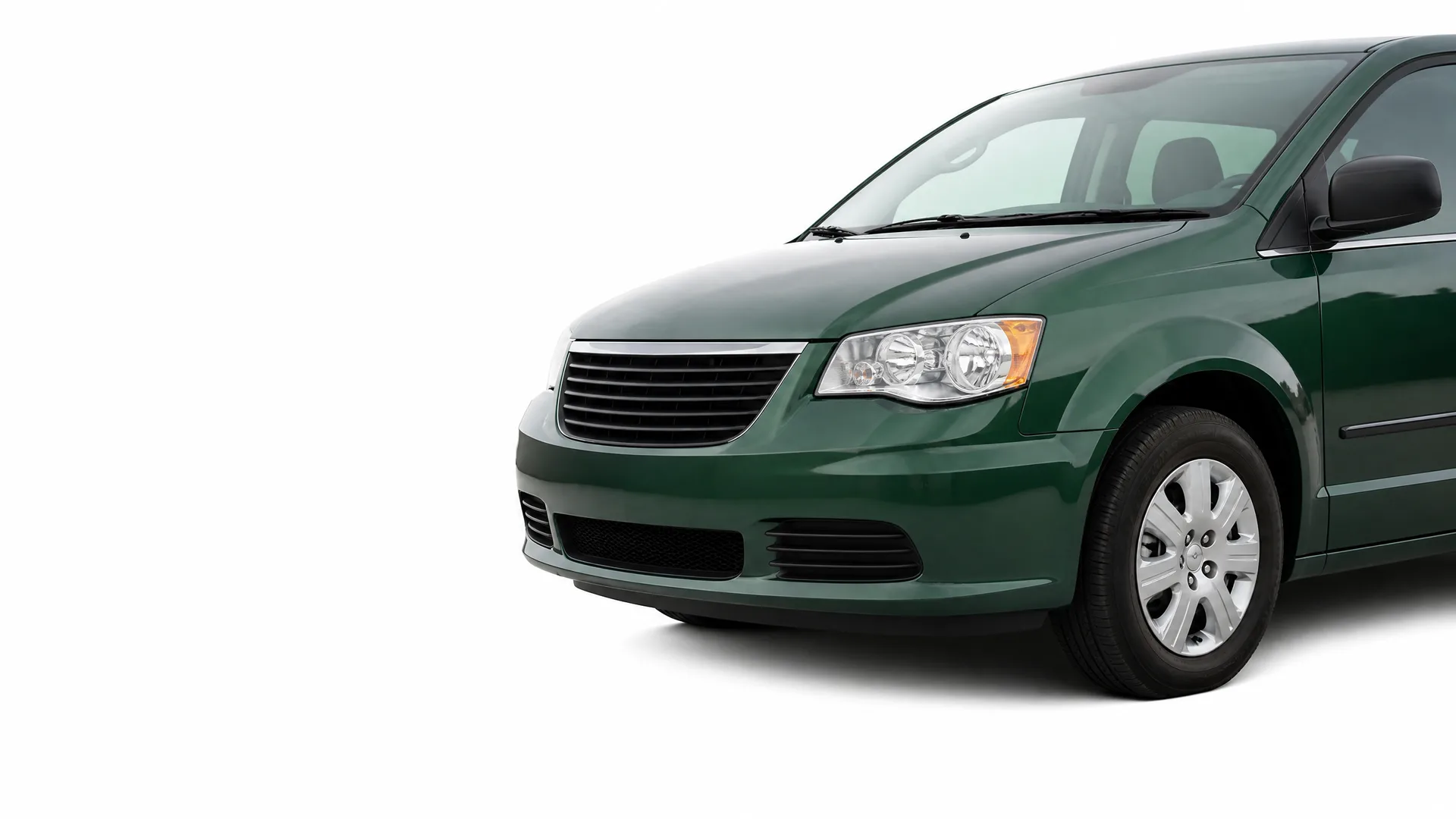
Model and driving record set the price, not color, so stop weighing color at all.


