
Does Insurance Go Up After a Non-Fault Claim
It can, because insurers often weigh the claim itself, not just who caused it.

What actually moves the price after a non-fault claim
- Fault isn't the only factor Insurers price risk partly on the fact that a claim happened at all, even one your teen didn't cause. Ask your insurer directly whether this claim is flagged as non-fault in their system, since that record matters later.
- Accident forgiveness varies Some policies protect your rate after a first claim regardless of fault, others don't. Check your policy documents or ask your agent whether this benefit applies to your plan and to a newly added teen driver.
- Check who's marked at fault If the at-fault driver's insurer pays out fully and it's documented, your record should reflect that your teen wasn't responsible. Follow up to confirm the claim was coded correctly before renewal pricing is set.
- Shopping around still helps Insurers weigh claim history differently, so one company's reaction to a non-fault claim isn't universal. Get quotes elsewhere if your current renewal jumps more than feels justified.
- Time softens the effect Any bump from a non-fault claim typically fades as it ages on the record. Ask how long this particular claim will factor into pricing so you know what to expect at future renewals.

The short version
Insurance can go up after a non-fault claim because insurers often price the event itself, not just blame. Check whether your policy has accident forgiveness and confirm the claim was coded correctly. Then compare quotes if the increase feels larger than it should.
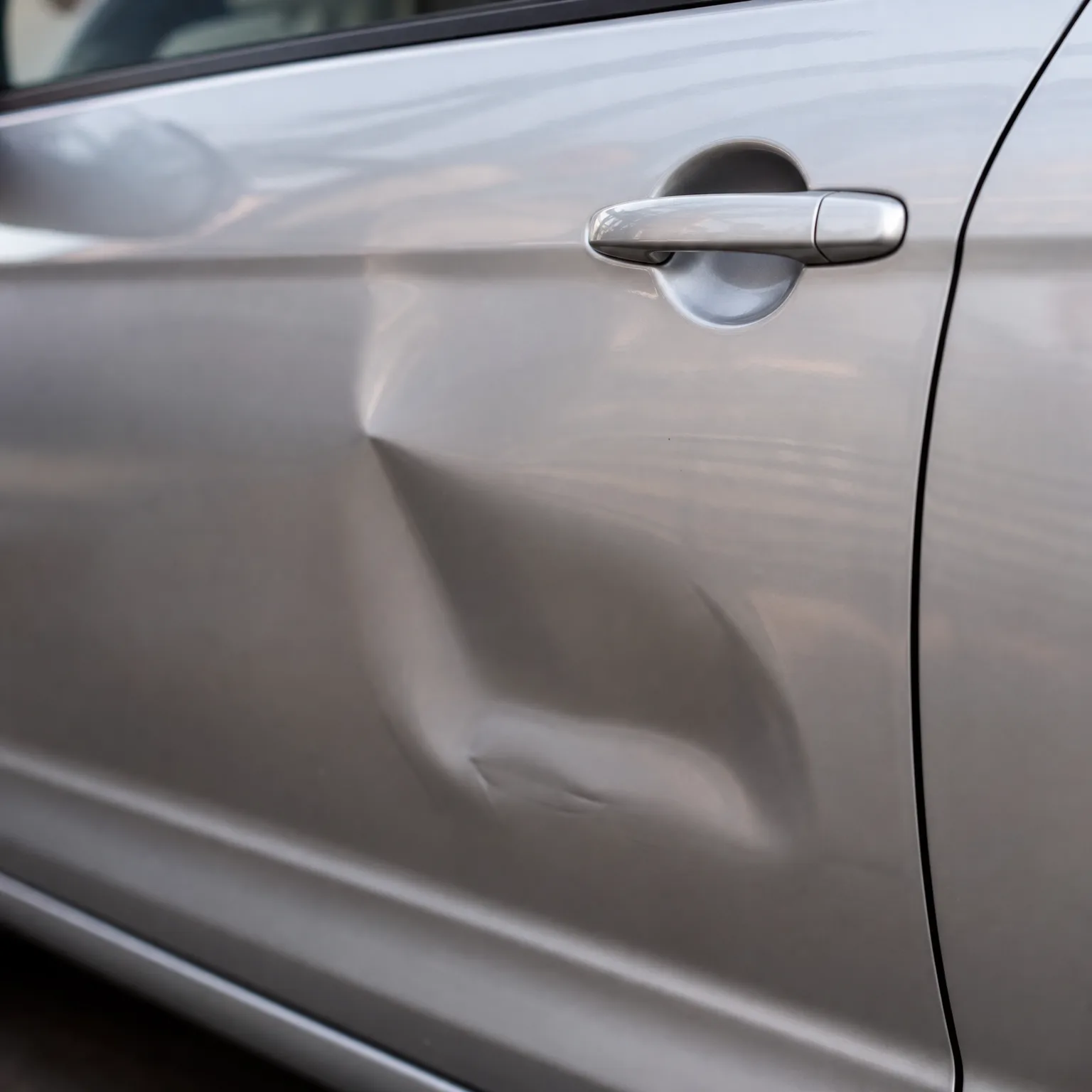
A fender bender that wasn't your teen's fault
Your daughter was stopped at a light when another driver rear-ended her. The police report was clear, the other driver's insurance accepted fault, and repairs were paid without any cost to your family. You assumed the matter was closed and your rates would stay the same at renewal.
When the renewal notice arrived, the premium had still increased. You called your insurer and asked why, since your daughter hadn't done anything wrong. They explained that the claim itself was part of her driving record now, even though it was marked non-fault, and that this was factored into how they assessed her as a new driver. You asked if accident forgiveness applied and learned it didn't extend to drivers added mid-term. You kept the current policy for now but got quotes from two other insurers to see if the same claim history would be treated differently elsewhere, and found one that didn't weigh it as heavily.
Compare quotes now that you know a non-fault claim can still affect your teen's rate.

Will my rates go back down after a non-fault claim ages off?
Yes, the effect typically fades over time as the claim moves further into the past. How long it stays relevant depends on your insurer's rules, so ask directly how many years they consider when pricing a renewal. If you switch insurers, the new company may weigh the same claim differently, which is worth checking if your current rate stays high longer than expected.
Does a non-fault claim affect my teen's own future policy?
It can, because once your teen gets their own policy, insurers may review their full driving history including claims from when they were on your policy. Ask any new insurer how far back they look and whether non-fault claims carry less weight in their pricing. A clean record afterward usually helps offset an older claim over time.
Should I dispute how the claim was coded if my rate went up?
Yes, if you believe the fault determination wasn't recorded correctly. Contact your insurer and ask them to confirm how the claim is classified internally, since an error here could be costing you unfairly. If they confirm it's accurate but you still disagree, request documentation and consider escalating or shopping elsewhere.

What matters isn't fault, it's whether your insurer's rules fit your family.