Does the Address on Your License Really Matter
Yes, the address on the license matters, because insurers price a car by where it mostly lives and gets driven.

What the address on the license actually changes
- Where the car is rated Insurers set rates by the address where the car is typically kept and driven, not just whose name is on the license. If your teen lives at home, their license should match the address the car is rated at.
- College changes the math If your teen moves away to school, the rating address may need to change, which can raise or lower the premium depending on the area. Tell your insurer when this happens instead of letting them find out later.
- Mismatches raise questions If the address on the license doesn't match the address on the policy, an insurer may ask why and could adjust or deny a claim over it. Keep both addresses aligned or be ready to explain the difference.
- Away address still counts Even living away part of the year, like for school, usually needs to be reported. Call your insurer and describe the actual living situation rather than guessing what counts.
- Your address can matter too If you move, your own address change affects the whole policy, including your teen's coverage. Update it right away so nothing is rated on an old address.
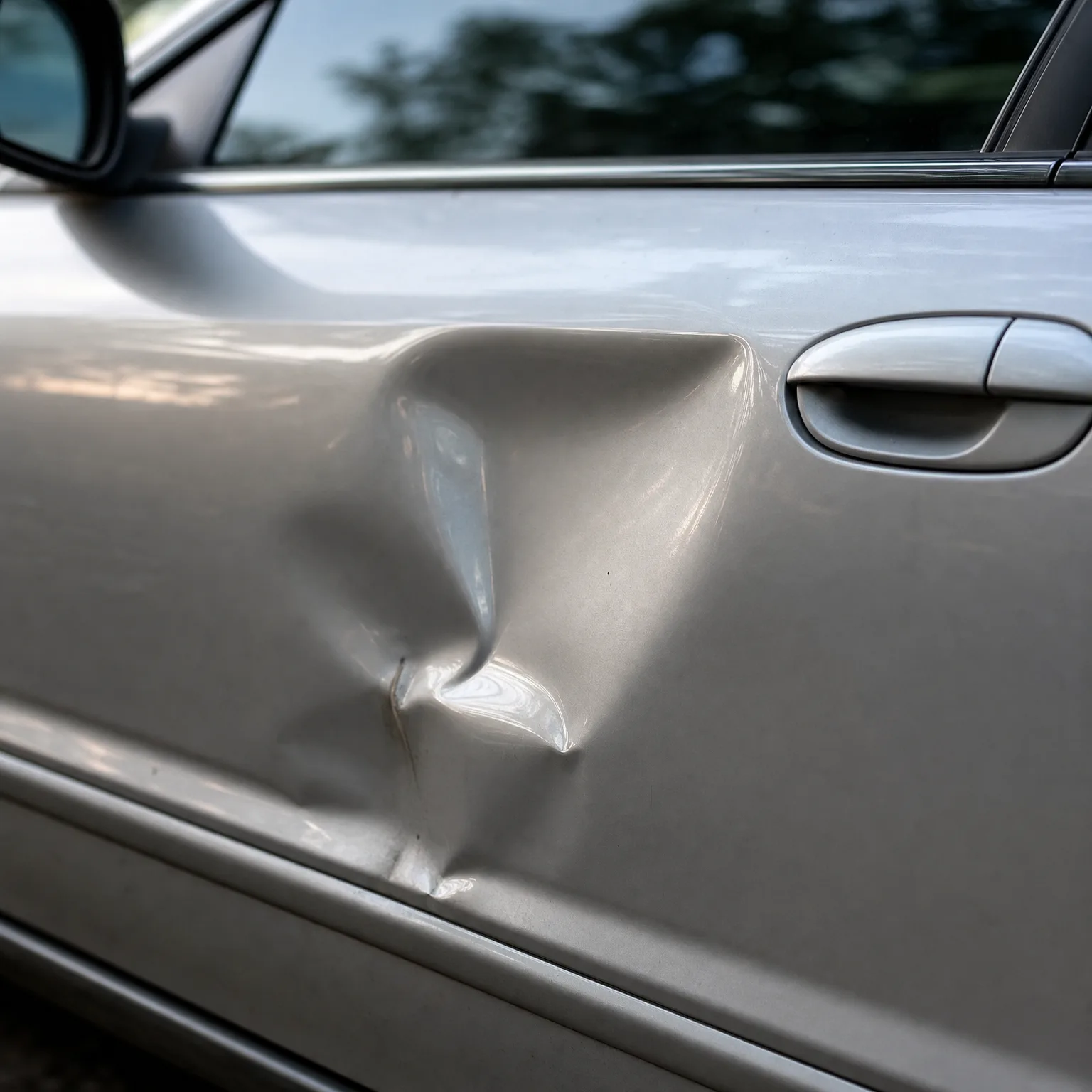
A teen moves to a dorm three hours away
A family had their daughter on the policy since she turned sixteen, rated at the home address where she learned to drive. When she left for college three hours away and took the car with her, they didn't think to tell the insurer anything had changed. Her license still listed the home address, since that's where her legal residence stayed, but the car was now living on campus most of the year.
When they called to ask about a routine coverage question, the agent asked where the car was actually kept most nights. They explained the dorm situation, and the agent updated the rating address to reflect where the car really sat most of the time. The premium shifted because the campus area had different risk factors than their home neighborhood. It wasn't a dramatic change, but it meant the policy now matched reality, and if a claim ever came up, there would be no question about whether they'd misstated where the car lived.

Now that you know how address and rating location affect your teen's cost, compare quotes with accurate details in hand.

Telling your insurer about an address change
If you do
You call and explain where your teen actually lives and drives. The insurer adjusts the rating address if needed, and your premium reflects the real situation. If something goes wrong later, your coverage holds because nothing was hidden or guessed at.
If you don't
You leave the old address on file and hope it doesn't matter. If a claim happens somewhere that contradicts your stated address, the insurer may investigate and could delay or reduce a payout. The gap between what you reported and what's true becomes a problem exactly when you can't afford one.
Does my teen need their own insurance policy once they get a license?
No, not usually. Most insurers let a newly licensed teen stay on a parent's policy as a listed driver, which is almost always cheaper than a separate policy. A teen typically needs their own policy only if they own the car outright and live independently, or if a state requires it. Check your specific insurer's rules, since some have different requirements for a teen who owns their own vehicle even while still living at home.
What happens to car insurance when a teen goes to college without a car?
The premium usually drops, sometimes significantly, because the teen isn't regularly driving. Insurers often have a reduced rate for a student away at school without a vehicle, but you still need to report the change rather than assume it's automatic. What changes the answer is whether the teen will have access to a car when they're home on breaks, since insurers may ask about that too.
Can I remove my teen from the policy if they rarely drive?
Usually not if they still live in your home and have access to the car. Insurers generally require any licensed household member with access to a vehicle to be listed, whether or not they drive often. The exception is a teen with no access to any car in the household, such as one away at school without a vehicle. If your teen's situation is genuinely limited access, ask your insurer directly what documentation they need to confirm it.
The license address stands for where the car lives, and that's what gets priced.