
How Does Insurance Work if My Teen Lends the Car to a Friend
In most cases, your car insurance follows the car, so your policy pays first even if your teen's friend was driving.
Your policy covers the car, not just the people you named on it
Car insurance is built around the vehicle. When you insure your family car, that coverage travels with the car almost everywhere it goes, including trips where someone other than your teen is behind the wheel. This is why your policy is usually the first one that responds after an accident, regardless of whose name is on the license.
There's an important condition behind this. The friend has to have your teen's permission to drive, and the drive has to be the kind of casual, occasional use insurers expect, not a standing arrangement where the friend borrows the car every week. Occasional permitted use is treated very differently from regular use, and regular use can push insurers to say the friend should have been listed as a driver on your policy.
The friend's own insurance usually comes in only after your coverage is used up, acting as a backup rather than the first payer. If the friend is uninsured, your policy still responds first, which is actually one of the clearer upsides of how this works.
State rules and individual insurer policies both shape the details here, especially around what counts as permission and how long someone can borrow a car before they're expected to be added to your policy. This is worth confirming directly with your insurer, because the line between occasional and regular use isn't universal.
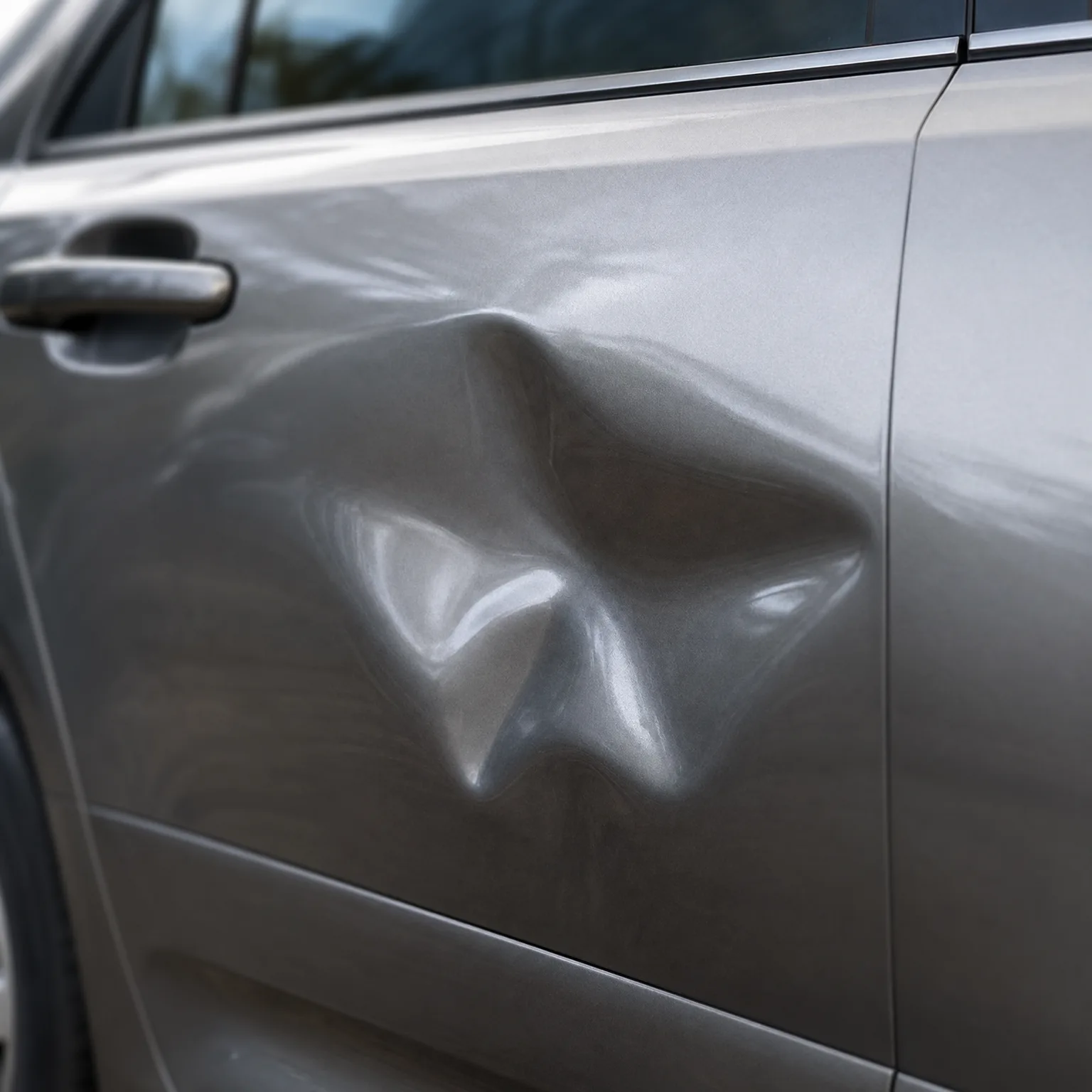
When a borrowed car turns into an accident
Say your teen lets a close friend drive the family car to pick up food, something that's happened once or twice before. The friend misjudges a turn and hits a parked car. Your teen wasn't driving, but the car is yours, and the friend had your teen's permission, so your policy is the one that responds to the damage claim.
Your insurer treats this the same way it would if your teen had been driving, reviewing the accident and deciding whether it affects your premium at renewal. The friend's parents may get contacted if there's a gap your policy doesn't cover, but in a typical case like this, your coverage absorbs the claim first. The lesson your family takes from this isn't about the paperwork, it's about knowing ahead of time who your teen hands the keys to and why, since that decision now sits squarely inside your coverage.

Compare quotes with a clear sense of how far your coverage already reaches, so you can size it to match.

What actually determines who pays and how much
- Permission matters If your teen said yes to the friend driving, your policy treats it as a normal use of the car. Make sure your teen understands that lending the car is a real decision, not a casual favor.
- Occasional versus regular use A one-time borrow is different from a friend who drives your car every week. If borrowing becomes routine, ask your insurer whether that friend needs to be added to your policy.
- Your coverage responds first Your policy is typically the primary payer after an accident, even if your teen wasn't driving. Check your policy limits now, before an accident forces you to learn them.
- Claims can affect rates An accident involving a borrowed car is still a claim on your policy and can influence your premium at renewal. Treat lending the car with the same caution you'd want your teen to use when driving it.
- Excluded drivers change things If you've formally excluded someone from your policy, coverage for them can disappear entirely. Review your excluded driver list so there are no surprises about who is and isn't covered.
Your policy covers the car itself, so who's driving matters less than who said they could.
Does my teen need to list every friend who might drive the car?
No, you don't list individual friends, you insure the car and the people who regularly drive it. Occasional friends driving with permission are typically covered under that general policy. The exception is a friend who drives your car often enough that it looks like a regular pattern, which some insurers want disclosed. Check with your insurer if any one friend borrows the car more than occasionally.
What if the friend driving my car doesn't have their own insurance?
Your policy still responds first because coverage follows the car, not the driver's own insurance status. This is one of the more reassuring parts of how this works, since you're not depending on a friend's coverage to protect your car. What changes is that there's no backup insurer to step in if your policy's limits are used up, so your own limits matter more in this situation. Check your policy limits if your teen often lends the car to friends you don't know well.
Can I stop my teen from lending the car to anyone at all?
Yes, you can set that rule at home, but it won't change what your insurance policy covers if it happens anyway. Insurers generally look at permission and use patterns, not house rules you've set separately. If you want a hard boundary that insurance also respects, ask your insurer about formally excluding certain drivers from your policy. That makes the restriction enforceable at the claims level, not just at home.