
How Does My Car Insurance Work When I Buy a New Car
Your current policy follows the new car automatically for a short window, but only if you tell your insurer before that window closes.
Coverage transfers for a few days, then it's on you to confirm it
Your policy is written around you and your household, not around one specific vehicle, so when a car leaves and a new one arrives, most insurers extend your existing coverage to the replacement car for a short grace period automatically. This exists so you're never driving home from the dealership with no protection at all. But that grace period is short and it only carries over the coverage you already had, not more.
If your old car only had liability, the new car only has liability during that window too, even if the new car is financed and the lender requires full coverage. That gap is where people get caught, especially with a new driver in the house who might be the one test driving or picking up the car. The lender's requirement doesn't automatically upgrade your policy. You have to call and add it.
What happens next depends on whether you're replacing a car or adding one. If the new car replaces an old one you're selling or trading in, you're usually just swapping the vehicle on your existing policy, and your teen's coverage carries over without a separate decision. If you're keeping the old car and adding the new one as an additional vehicle, that's a bigger change. Insurers often reassess the whole policy, including which driver is assigned to which car, and that's when your teen's rate can shift again.
The exact length of the grace period and whether it applies to a car you're adding rather than replacing varies by insurer and by state, so this is never something to assume. Call before you drive it home, not after.
What to settle before you drive the new car home
- Confirm the grace period Ask your insurer exactly how many days of automatic coverage apply to the new car and whether it matches your old coverage levels or defaults to something less.
- Match the lender's requirement If you financed or leased the car, the lender likely requires full coverage with specific limits. Call and add it rather than assuming your old policy already qualifies.
- Decide who's assigned to it If your teen will be the primary driver of the new car, say so. Insurers price based on who actually drives which vehicle, not just who's listed on the policy.
- Call before you drive A grace period only protects you if something happens during it. The moment you can call, call. Don't wait for a renewal notice to make it official.
- Ask about the old car If you're keeping both vehicles, the old car still needs its own coverage decision. Selling it doesn't end your obligation until the policy is actually updated.
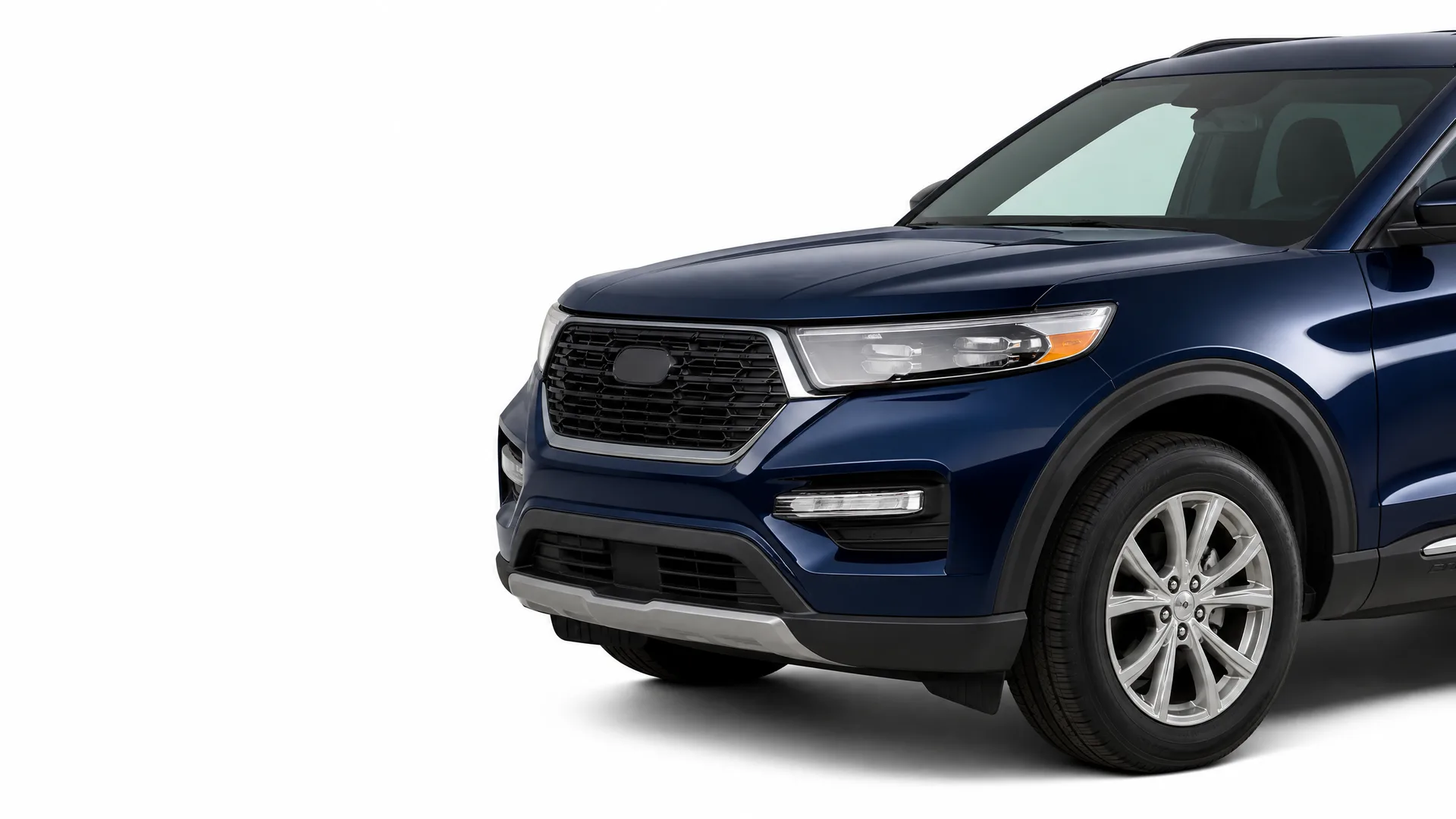
The new car is covered for a few days by default, then it's a decision you have to make.
Once you know how the new car fits your policy, compare quotes to see if it's also time for a better teen rate.
Will adding the new car change what my teen pays to be on the policy?
It can, and it often does, because insurers price a car and a driver together, not separately. A new car usually costs more to insure than an older one, and if your teen becomes the primary or most frequent driver of it, the policy may reflect that directly in their assigned rate.
The reverse is also true. If the new car has stronger safety features than the old one, or if your teen ends up driving the older, cheaper car while you take the new one, the cost can move the other way. This is why the vehicle assignment conversation matters as much as the coverage conversation.
Ask your insurer directly how the new car changes your teen's specific rate before you finalize anything, since this varies by insurer and isn't something you can predict from the sticker price alone.

Call your insurer before the new car leaves the lot
If you do
You confirm the grace period, match the coverage to what your lender requires, and decide who's actually driving the car. Your teen's status gets updated at the same time, so there's no scramble later. The whole call takes a few minutes and closes every gap at once.
If you don't
You're relying on a grace period you haven't confirmed, with coverage levels you haven't checked, while your lender's requirements go unmet. If your teen drives the new car and something happens before you've called, your insurer decides what's covered based on your old policy, not the new car's actual needs.
Do I need to call my insurer the same day I buy the new car?
Yes, as soon as you reasonably can, ideally before you drive it anywhere. The grace period protects you for a short stretch, but it's built for emergencies, not as a substitute for updating your policy. Calling immediately also means your teen's coverage and any vehicle assignment changes are settled before anyone drives it, instead of being sorted out after an incident.
What if I buy the new car for my teen specifically?
Tell your insurer that directly, since it changes how the car and driver get priced together. A car bought primarily for a teen is often treated differently than a family car a teen occasionally drives, affecting both the rate and which safety or usage details the insurer asks about. Don't let the car default to being assigned to you if your teen is really the one driving it most.
Does trading in my old car for the new one affect my teen's driving record or history?
No, your teen's driving record and history stay with them, not with any vehicle. Trading cars only changes which vehicle is listed on the policy and how it's priced. If your teen has had tickets or claims, that follows them to the new car assignment the same way it followed them on the old one, regardless of the trade.