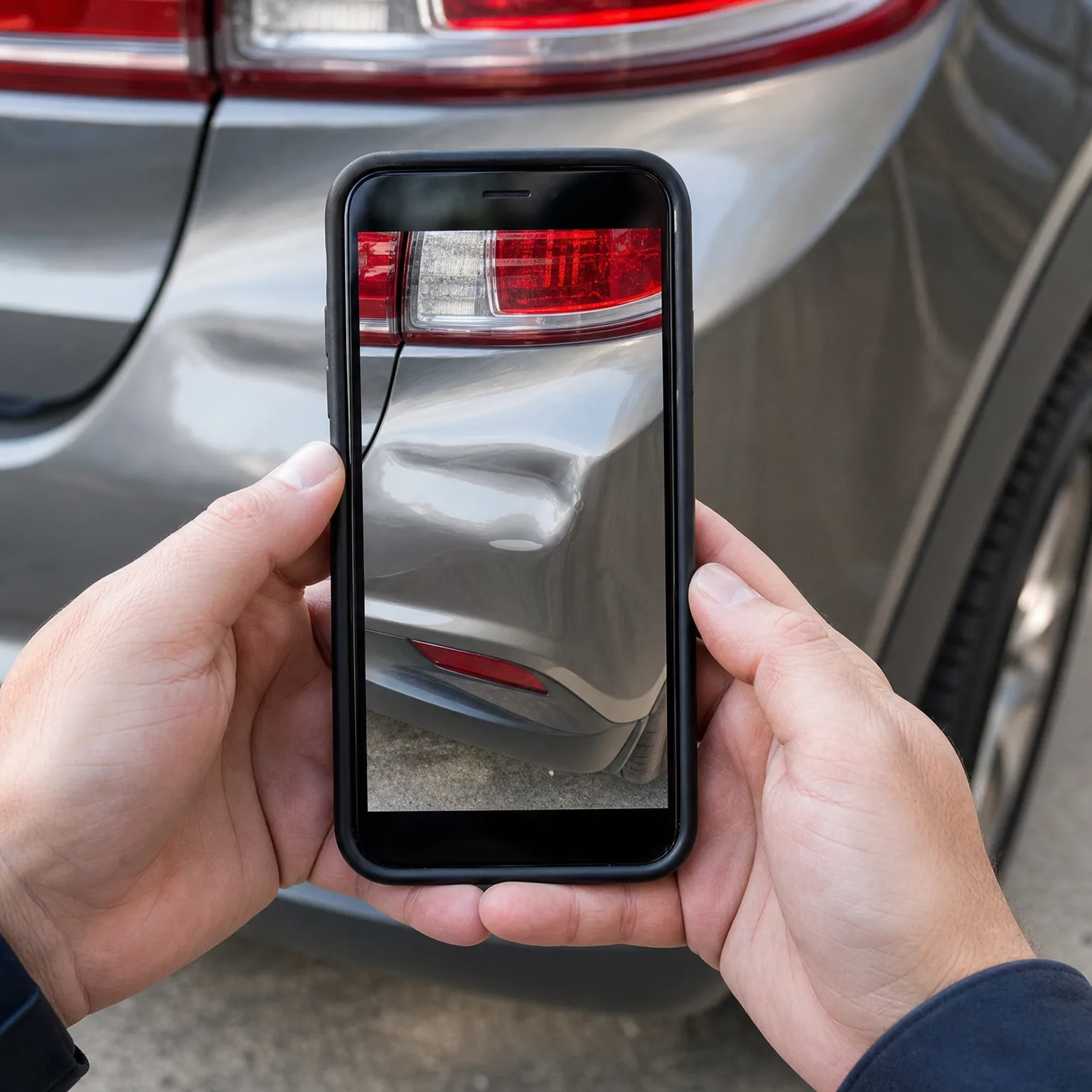
How Strict Is a Black Box Telematics Device
A black box judges a narrow set of driving behaviors closely, but it forgives occasional, minor slips if the overall pattern stays steady.
What the device actually watches and punishes
- Hard braking and acceleration This is the behavior it weighs most heavily because it predicts crash risk. Have your teen practice smoother stops and starts in empty parking lots before relying on real roads to teach it.
- Speed relative to the limit Going over the posted limit, even by a little, logs repeatedly and adds up over time. Ask your teen to treat the speedometer like it's being watched, because with this device it is.
- Time of day driving happens Late night trips score worse regardless of how carefully your teen drives. Set a household curfew that matches what the device already penalizes so you're not fighting two different rules.
- Phone handling while moving Some devices detect phone motion or screen use directly, not just erratic driving. Put the phone somewhere out of reach before the car starts, since habit beats willpower here.
- Overall trip score trend One bad drive rarely matters on its own. What matters is whether the score across weeks is improving, flat, or sliding, so check it together regularly instead of after a single bad day.
Will one bad drive wreck my teen's score permanently?
No. A single rough trip, one hard brake or one speeding moment, gets recorded but it doesn't define the score on its own. These programs look at patterns across many trips, not isolated incidents, because any new driver will have an off day.
What actually matters is the trend. If your teen has mostly steady, careful trips with one outlier mixed in, the overall score stays fine and the outlier fades into the average. If the rough trips keep repeating, that's when the score drops and stays down.
The practical move is to look at the data after a bad trip, not to panic over it. Talk through what happened, whether it was unavoidable like another driver cutting them off, or a habit like checking a phone. Treat it as one data point, not a verdict.

Deciding whether to use the device at all
If you do
You get a clear, specific picture of how your teen actually drives instead of guessing. Most insurers reward steady good habits with a lower rate over time, and you can coach using real data instead of arguing about impressions. Your teen also learns that driving habits have visible, immediate consequences.
If you don't
You skip the monitoring but you also lose the discount tied to it, and your teen's rate is set using broad averages for their age instead of their actual behavior. If they're a genuinely careful driver, you likely pay more than you would otherwise, with no way to prove it.
Now you know how the device scores driving, so compare quotes to find the insurer that rewards your teen's habits best.

Why the device is strict on some things and lenient on others
Insurers built these programs around the few behaviors that actually predict crashes, not around perfect driving. Hard braking, speeding, and late night trips show up again and again in crash data, so those get tracked closely and weighted heavily. Minor things like a slightly rough turn or a single moment of hesitation don't move the needle much because they don't correlate with risk the way those core behaviors do.
The scoring is also built around trends rather than snapshots, because a single data point tells an insurer very little about a new driver. A teen who's had twenty mostly smooth trips and one hard stop looks very different from a teen who brakes hard every few trips. The device is designed to catch the second pattern, not punish the first.
Where this varies is in how each insurer sets thresholds and how much weight they give each factor. Some programs lean heavily on speed, others weigh phone use or night driving more, and the exact cutoffs for what counts as a hard brake or risky speed differ by company and sometimes by state rules on telematics. Check your specific program's scoring explanation rather than assuming it works exactly like a friend's.
There are also cases where the device simply can't account for context. A hard brake to avoid a deer or a sudden stop from another driver's mistake gets logged the same way as an avoidable one. Most programs build in some tolerance for this through the trend-based scoring, but it's worth knowing the device records the event, not the reason, before you worry about a single flagged trip.
It judges patterns over time, not single moments, so watch the trend, not one bad trip.