How to Avoid Hitting a Deer While Driving
Slow down at dawn and dusk in deer zones, scan the roadsides ahead, and brake straight if one appears, don't swerve.
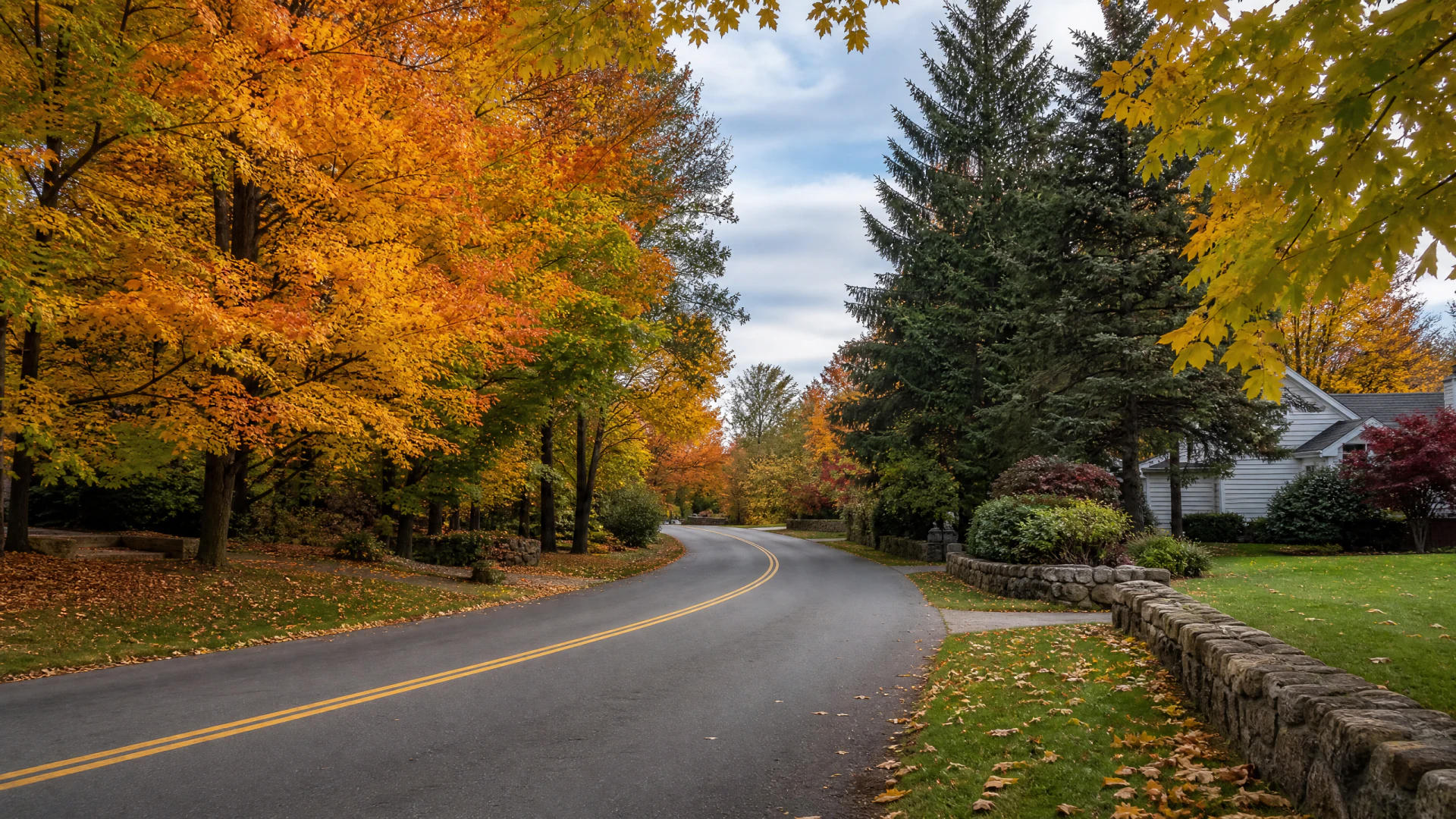
Driving home at dusk on a two-lane road
Your teen is driving back from practice right as the sun is setting, the time when deer move most. The road cuts through woods and fields, the kind of place where deer cross without warning. They've heard you say to watch the shoulders, so they ease off the gas a little and keep their eyes moving between the road and the tree line instead of locking straight ahead.
A deer steps out about a hundred feet in front of them. Because they were already going slower and scanning, they have time to brake hard in a straight line instead of jerking the wheel. The car stops well short of the deer, which bounds back into the woods. Nothing happens to the car or the driver, and the only lesson is one you'd already taught, that slowing down and looking ahead buys time to react instead of panic.
What should my teen do in the second before impact is unavoidable?
Brake as hard as possible in a straight line and stay in the lane. Don't swerve to avoid the deer, because swerving is what turns a survivable animal strike into a rollover or a head-on crash with another car or a tree.
A deer-related claim, even a bad one, is something a car and a body usually recover from. Losing control at speed is the part that actually hurts or kills people. Teach your teen that the goal in that last second isn't to miss the deer, it's to keep the car pointed straight and slow down as much as possible before any impact happens.
Now you know how to prevent and handle a deer strike, so compare quotes to be sure your teen's policy covers it.
Deer behave in patterns, and so should your driving
Deer move on a schedule driven by light and by season. They're most active around dawn and dusk because that's when they feed, and they move more in fall during mating season and in spring when young deer are pushed out to find new territory. Knowing this isn't trivia, it tells you exactly when to slow down and pay closer attention, rather than treating every drive as equally risky.
Deer also rarely travel alone. If one crosses the road, more are usually close behind, so the moment after the first one passes is often more dangerous than the moment of seeing it, because drivers relax too soon. The habit worth building in a new driver is to slow down and keep scanning for several seconds after any deer sighting, not just react to the one animal in front of them.
Road design matters too. Stretches with woods or fields close to the shoulder, especially near water or dips in the terrain, are where deer cross most. Reflective eyes catch headlights at night, which is why high beams, used whenever no other car is close, extend how early a driver can spot movement. None of this guarantees avoiding every deer, but it shifts the odds in the driver's favor on the roads where it counts most.
Where this plays out differently is in how areas are marked and managed. Some states and towns post deer-crossing signs based on real collision data, others don't, and some regions just have far more deer than others. Check what your local transportation department or state highway reports say about high-risk stretches near you, since that tells you more than a national rule of thumb ever could.
The danger isn't the deer, it's how your teen's hands move right after seeing it.
Does hitting a deer count as an accident on my insurance record?
It's usually treated differently from an at-fault crash because it falls under comprehensive coverage, not collision, since the driver didn't cause it by driving badly. That distinction matters because comprehensive claims typically don't carry the same fault-based rate impact a collision would. Confirm with your policy how comprehensive claims are rated in your state, since some insurers still factor any claim into renewal pricing even without fault.
Do deer whistles or car-mounted devices actually work?
There's no solid evidence that aftermarket whistles reliably change deer behavior at driving speeds. Some drivers swear by them, but controlled testing hasn't shown consistent results, and relying on one can create false confidence that replaces actual scanning and speed control. The better investment is teaching habits like slowing down in known crossing areas and using high beams at night, which have a clearer track record.
What should my teen do right after hitting a deer?
Pull over safely, turn on hazards, and don't approach the animal, since an injured deer can be dangerous. Check for damage that affects safe driving, like leaking fluid or a tire issue, before continuing. Call for help if the car isn't drivable or if anyone's hurt, and report it to the police and your insurer, since a report often matters for the claim even when no one else was involved.