How to Drive at Night on a Highway
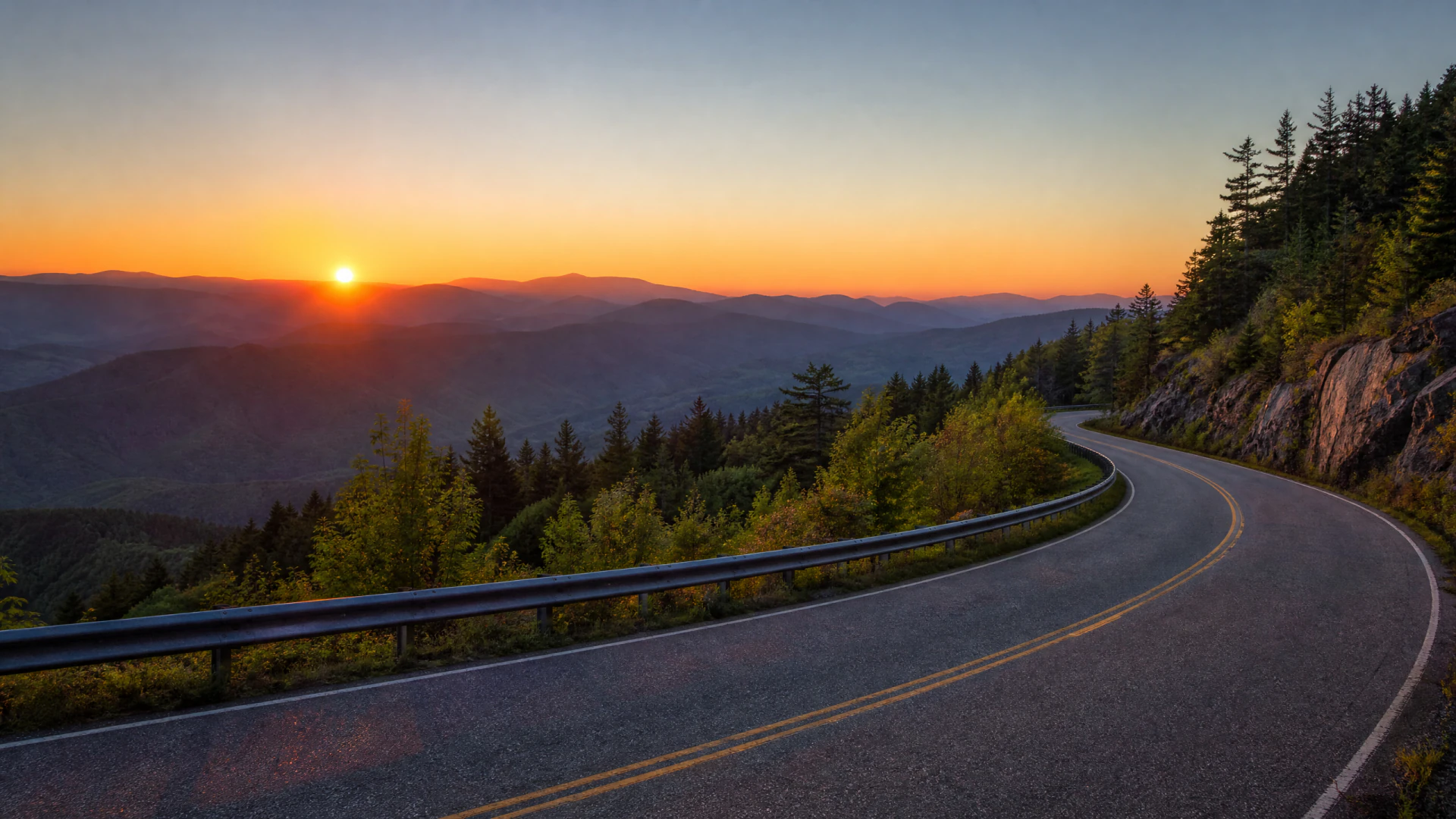
Night highway driving takes slower speeds, full attention, and a plan made before the trip, not during it.
What actually keeps a teen safe on a highway at night
- Lower speed than daytime Headlights only show so far ahead, so stopping distance matters more than usual. Tell your teen to ease off the posted limit when it's dark, especially on unfamiliar roads.
- Clean, aimed headlights Dim or misaligned headlights cut visibility right when it matters most. Check them together before any night trip becomes routine.
- Zero phone, zero exceptions A glance at a screen takes the eyes off the road longer at night because there's less light to reorient. Set the phone out of reach before the car starts moving.
- Rest before the drive Tired eyes struggle more with glare and contrast after dark than they do in daylight. Make sure your teen has had real sleep before a night highway drive, not just a nap.
- A pulled-over break plan Eye strain and fatigue build faster at night than most new drivers expect. Agree in advance that pulling into a lit, safe spot to rest is always fine, no questions asked.
The short version
Night highway driving is safe for a new driver who slows down, keeps full attention on the road, and rests before the trip. The real risk is reduced visibility combined with fatigue. Walk through headlights, speed, and a no-phone rule with your teen before they drive at night alone.
Should a brand-new driver avoid night highway driving entirely at first?
Easing in makes sense, but avoiding it forever doesn't prepare your teen for a skill they'll eventually need. The better approach is a supervised night highway drive or two before solo trips, so the first time isn't also the first time alone.
What varies is how your state's graduated licensing rules handle this. Some states restrict night driving for new license holders for a set period, and that restriction usually applies to highways too. Check your state's specific hours and any exceptions for work or school before planning a solo night trip.
Once you've settled how your teen will handle night highway driving, compare quotes to see what that decision costs.
Does a teen's permit allow night highway driving with a parent?
Usually yes, but the exact hours a permit allows for driving depend on your state, and some restrict even supervised night driving earlier than you'd expect. Check your state's permit rules directly, since they're not the same everywhere. If your state restricts it, plan practice drives earlier in the evening instead.
What's different about highway driving at night versus a local road at night?
Higher speeds mean less time to react to anything headlights don't catch early enough. On a local road, a slower speed gives a new driver more room for error, but a highway doesn't offer that cushion. That's why speed discipline and following distance matter more on a highway after dark than almost any other factor.
How do I know if my teen is ready for night highway driving alone?
They're ready when they've driven the same stretch with you at night and handled speed, glare, and merging without you stepping in. Watch specifically for how they react to oncoming headlights and whether they naturally slow down in low-visibility stretches. If you're still correcting them, they need another supervised trip first.
The danger isn't the dark, it's keeping daytime habits after visibility changed.