How to Find a Mechanic to Inspect a Used Car
Call a few independent repair shops, ask if they do pre-purchase inspections, and pick one that will put findings in writing.
An independent shop protects you better than the seller's word
A pre-purchase inspection works because it puts someone with no stake in the sale between you and a decision you can't easily undo. The mechanic isn't trying to close a deal or avoid an awkward conversation with a buyer. Their only job is to tell you what's actually wrong with the car, and that independence is the entire point.
This is why the shop matters more than the inspection itself. A seller-recommended mechanic, even an honest one, has a relationship with the seller that predates you. An independent shop you chose yourself has no such history. You want a mechanic who sees the car once, gives you a report, and never has to answer to the person selling it.
General repair shops that handle the car's specific make tend to catch the most, since they've seen that engine and transmission fail in the same ways before. Dedicated pre-purchase inspection services exist too, and some will travel to the car rather than requiring you to bring it in, which matters if the seller won't let the car leave their driveway.
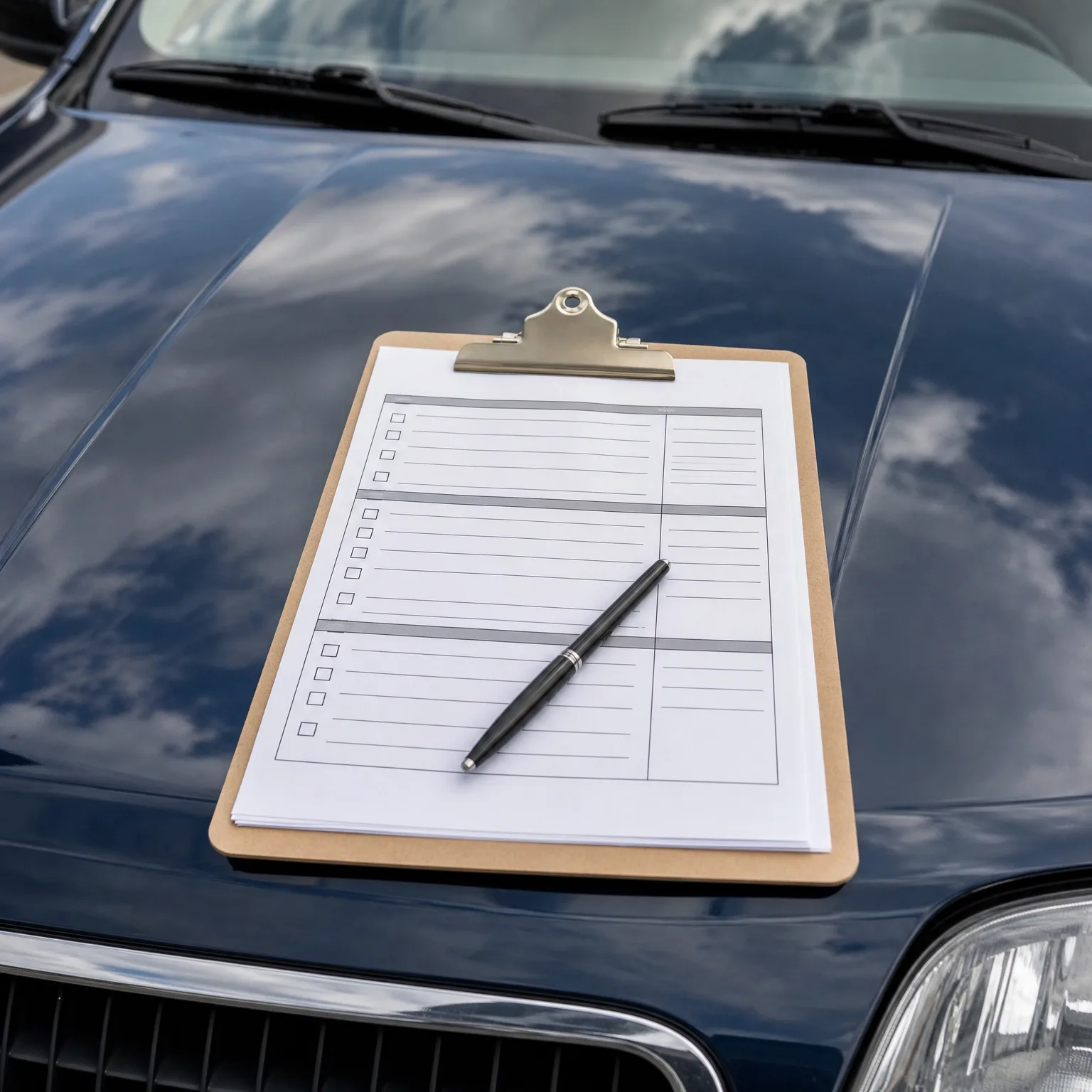
What a shop checks and how they document it varies by shop, not by state, so ask directly what the inspection covers before you book it. Some give you a verbal rundown, others a full written report with photos. Get the written version if you can, because it's something you can act on later and something you can hold a seller to if problems surface right after the sale.
What to look for in a shop before you book
- Ask about PPI experience Not every shop does pre-purchase inspections regularly. Ask directly, and favor one that does this often over one that's just willing to try.
- Confirm it's independent Don't use a mechanic the seller recommends or works with. Find your own shop with no connection to the sale.
- Check make specialization A shop familiar with that specific brand catches problems a generalist might miss. Ask if they regularly service that make.
- Get the report in writing A verbal opinion fades and can't be referenced later. Ask for a written report, ideally with photos, before you commit.
- Ask if they travel Some sellers won't let the car off their property before purchase. Ask if the shop can inspect it on site if that's an issue.

Independence matters more than the mechanic's price, speed, or experience.
Once you know the car's real condition, compare insurance quotes so the whole cost of owning it is clear before you buy.

Getting an inspection before you buy versus skipping it
If you do
You pay a bit of money and lose a day or two to scheduling. In return you get a clear list of what's wrong, what it'll cost to fix, and leverage to renegotiate the price or walk away. Most sellers expect this and won't be offended by the request.
If you don't
You save a small amount of time and money upfront. But you're trusting a stranger's description of a car's condition, and anything wrong won't surface until it's your problem and your repair bill. Walking away becomes much harder once you've already paid.
What if the seller refuses to allow an inspection?
Treat it as information. A seller who won't allow an independent mechanic to look at the car before you buy it is telling you something, whether that's a hidden problem or simply someone who doesn't want the hassle. Either way, it should make you more cautious, not less.
Some private sellers genuinely don't understand the request and will agree once you explain it's standard practice and doesn't cost them anything. Dealers are generally used to it and will accommodate a mobile inspection or let you take the car to a shop for an hour. But if a seller keeps stalling, inventing reasons the car can't leave, or refusing outright, that's a real signal. Walk away and find another car. There are always more cars for sale, but there's only one decision about whether this one is worth the risk.