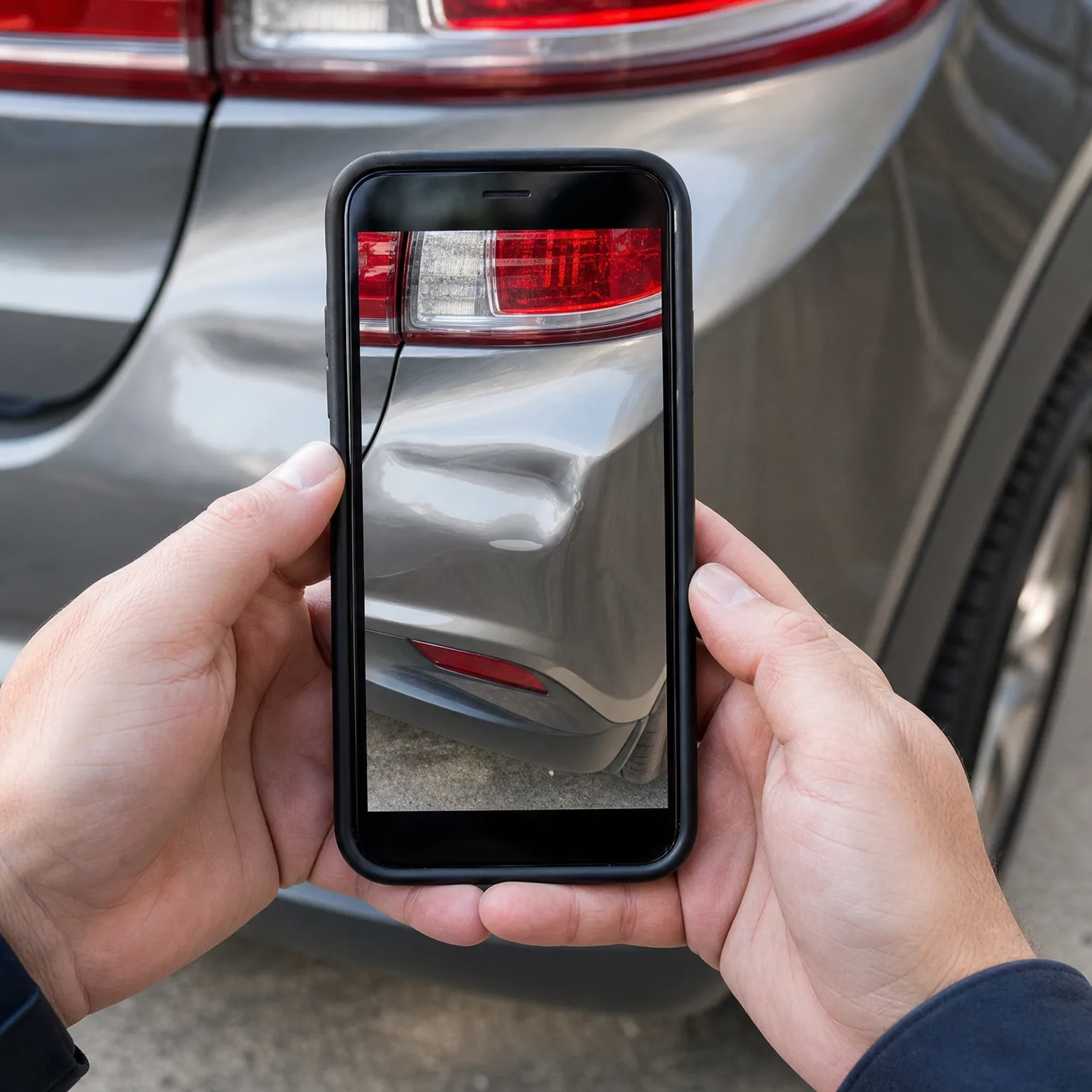
How to Get a Safe Driver Discount With a Teen Driver
You get the discount by combining a clean driving record with a monitored or good-student program your insurer verifies directly.
Four things that actually earn the discount
- Ask about telematics Many insurers offer an app or plug-in device that tracks braking, speed and phone use. A clean few weeks of data often unlocks a bigger discount than grades alone.
- File the good-student discount If your teen keeps a strong report card, most insurers will apply a discount for it, but you usually have to submit the transcript yourself. Ask your agent what proof they need and resend it every term.
- Put them on the right car Discounts for safe driving often work best paired with a car that has strong safety ratings and anti-theft features. Choosing the family's safer, older car for the teen can matter more than the discount itself.
- Keep the whole policy clean Safe driver discounts usually look at the whole policy, not just the teen's behavior. One parent's fender bender can affect the same discount your teen worked to earn.
- Reapply after the permit ends Some discounts are only available once your teen is a fully licensed driver. Check back with your insurer right after the upgrade from permit to license so you don't miss the window.

A family that stacked two discounts instead of one
A parent added their 16-year-old son to the policy right after he passed his road test. The quote jumped more than they expected, so they called their agent instead of just accepting it. The agent mentioned a telematics app that tracked his driving for a set trial period and a separate discount for maintaining a certain grade average. The parent signed him up for the app immediately, since it required no proof beyond installing it, and asked the school for a transcript to submit for the grade discount.
The telematics score came back strong within the trial window, mostly because the app flagged a few hard-braking events early on that the son then consciously corrected. The transcript came through a few weeks later and the agent applied both discounts to the next renewal. The combined effect didn't erase the original increase, but it meaningfully softened it. The bigger win, in the parent's eyes, was that the app gave them real feedback on driving habits instead of just a vague sense of worry, and the son kept using it even after the discount period ended because he liked seeing his score improve.

The discount rewards proof you're managing the risk, not the fact that your teen drives.
Compare quotes now that you know which discounts to ask for and what proof your insurer will actually need.
Why insurers reward proof, not promises
Insurers price risk based on data, and a new driver is a statistical unknown no matter how responsible they seem. A discount exists to offset some of that uncertainty, but only when the insurer has something concrete to point to, like a monitored driving score or a verified transcript. That's why these discounts almost always require you to submit something rather than simply qualify by being a teen.
Underneath this is a simple trade. The insurer is betting that a monitored or academically strong teen is statistically less likely to file a costly claim, so they share some of that expected savings with you upfront. When the data doesn't support that bet, like a telematics score showing frequent hard braking or distracted driving patterns, the discount shrinks or disappears, because the risk picture changed.
Where this plays out differently is state to state and insurer to insurer. Some states limit how telematics data can be used to raise rates, only allowing it to lower them, which changes how much risk you're taking by enrolling. Other insurers only offer the good-student discount up to a certain age or grade threshold, so what qualifies in one household might not in another. It's worth asking directly what triggers a loss of the discount, since that detail rarely appears in the marketing materials.
The other variable is how the discount interacts with the rest of the policy. Some insurers tie the safe driver discount to the entire household's record, not just the teen's, which means one parent's moving violation can undo progress the teen made. Always ask whether the discount is scored per driver or per policy before you build your expectations around it.

Will the discount disappear if my teen gets one ticket or accident?
It might, and it depends entirely on how your insurer structures the discount. Telematics-based discounts are usually reevaluated at each renewal, so a single incident could lower the score enough to reduce or remove the discount at that point, even if it doesn't cancel it instantly. Good-student discounts are typically unaffected by a ticket since they're based on grades, not driving record, but a serious violation can trigger a separate rate increase that outweighs the discount anyway.
The real answer depends on whether the discount is tied to ongoing monitoring or a one-time qualification like a transcript. Ask your agent directly whether the discount is locked in for a policy term or reassessed continuously, and what specific violations would cause it to be dropped. That answer determines how much weight you should put on the discount when deciding how to structure your teen's coverage.