
How to Know if My Car Insurance Covers Other Drivers
Your policy almost certainly covers your teen in your car, but you need to confirm it and tell your insurer they're driving now.

Check these four things before you assume you're covered
- Who's listed on the policy Most policies cover any driver living in your household once the insurer knows about them. Call or check your account to see if your teen is already listed or still needs to be added.
- Permission to drive matters Coverage usually extends to someone you let drive your car with your okay, like a friend borrowing it once. It's different from a regular driver in your home, so don't confuse an occasional guest with your teen who drives often.
- List household drivers Insurers expect you to list everyone in your home who can drive, especially a newly licensed teen. Leaving them off to save money can get a claim denied right when you need it most.
- Your car, their mistake If your teen causes an accident in your car, your policy responds first, using your liability and coverage limits. Know what those limits are now, not after an accident happens.
- Rules vary by state Some states require insurers to treat a newly licensed teen a certain way, others leave it up to the company. Ask your agent directly what your state requires and what your insurer's own rule is.

The short version
Your policy likely covers your teen once you tell the insurer they're driving your car, since household drivers need to be listed, not just occasional guests. The main reason is that insurers price risk based on who actually drives the car. Call your agent now, confirm your teen is listed, and ask how it changed your coverage and your rate.
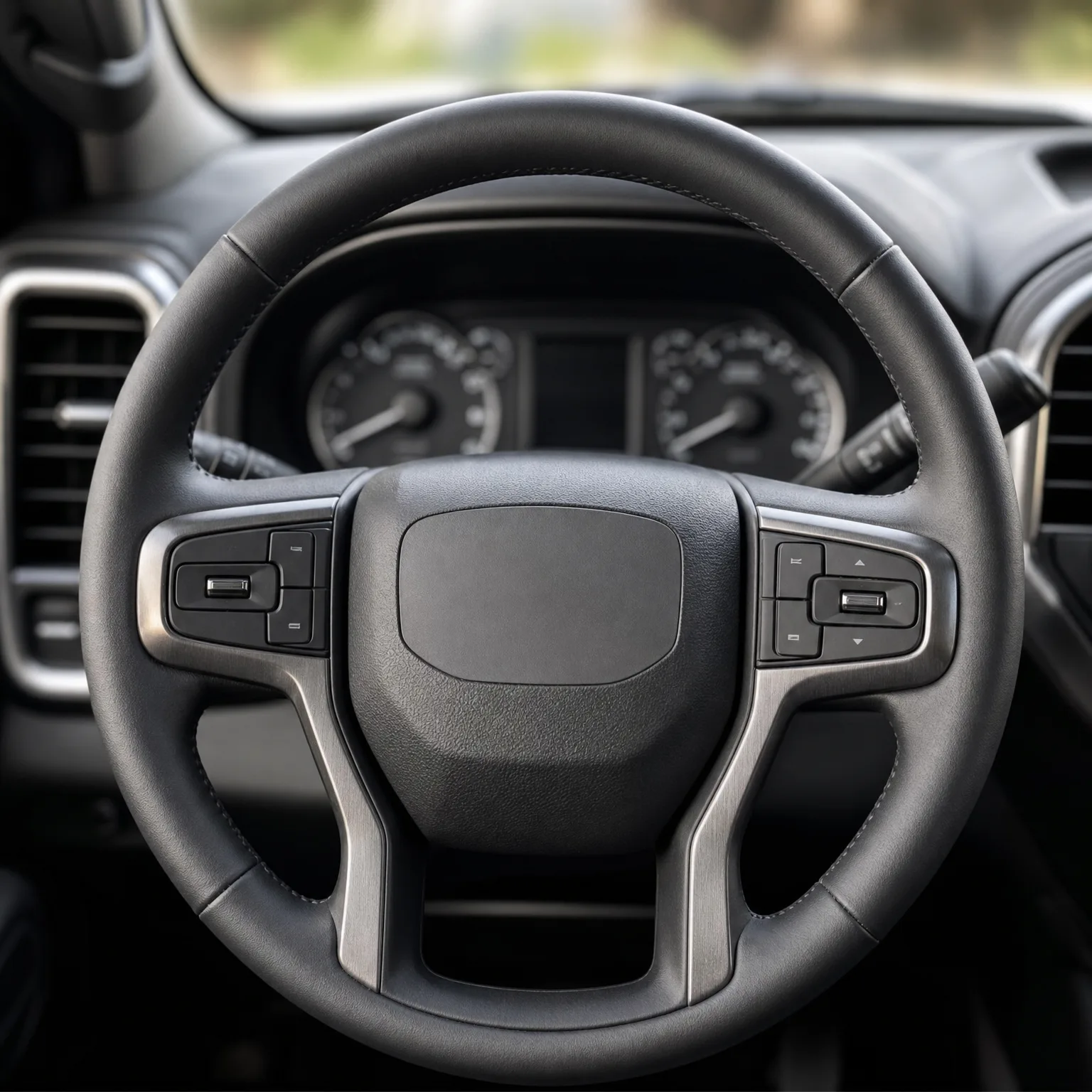
A family adds their newly licensed daughter to the policy
A parent had one car and one teenage daughter who'd just gotten her license. They assumed she was automatically covered since she lived at home and would only drive occasionally. Before letting her take the car to school, the parent called their insurer to ask directly. The agent explained that occasional use by a resident teen still needed to be declared, and that leaving her off the policy risked a denied claim if she was ever in an accident, even a minor one.
The parent added her as a listed driver and asked about options to manage the cost, since the quote jumped more than expected. The agent explained that her grades and the type of car she'd mostly drive both affected the price, and that a driver training course might help too. They settled on having her drive the older of their two cars, which lowered the cost somewhat. A few months later she scraped a mailbox pulling out of the driveway. Because she was properly listed, the claim went through without a fight, and the family dealt with the higher rate at renewal instead of a denied claim in the moment.
Now that you know how your policy treats other drivers, compare quotes to see what covering your teen actually costs.
Why insurers care who's driving your car, not just who owns it
Car insurance follows the car first, then the driver. That's why letting a friend borrow your car usually still means your policy pays if something happens. But insurers also want a complete picture of who regularly drives each vehicle, because risk is tied to the person behind the wheel as much as the car itself. A teenager who drives daily is a very different risk than one who borrows the car twice a year, and insurers price accordingly.
This is why there's a real difference between someone with permission to drive occasionally and a household member who drives regularly. Occasional use is usually covered without extra steps. A resident driver, especially a new one, needs to be declared because the insurer is recalculating your household's overall risk, not just insuring a single trip.
The cases where this gets complicated usually involve a driver the insurer didn't know about. If a claim reveals a regular driver was never listed, the insurer may argue the policy was priced incorrectly from the start, which can lead to a denied claim or a canceled policy. This is the scenario parents most want to avoid with a new driver in the house.
State rules shape some of this too. A few states set specific expectations for how newly licensed drivers must be added or excluded, while others leave more of this to individual insurers. Since this varies, the only reliable move is asking your agent directly what your state requires and what your specific insurer's policy says about household drivers.

Will adding my teen to my policy raise my rate a lot?
Probably, and the increase is usually the biggest adjustment your policy sees for the first few years. Insurers view new drivers as higher risk because they have no track record yet, so the cost reflects that uncertainty rather than anything specific your teen did.
The amount varies based on things like your teen's grades, the car they'll mainly drive, and any completed driver training. Ask your agent which of these actually affect your price, since not every insurer weighs them the same way. It's worth asking now, before you finalize anything, because small choices like which car your teen drives most can make a real difference.