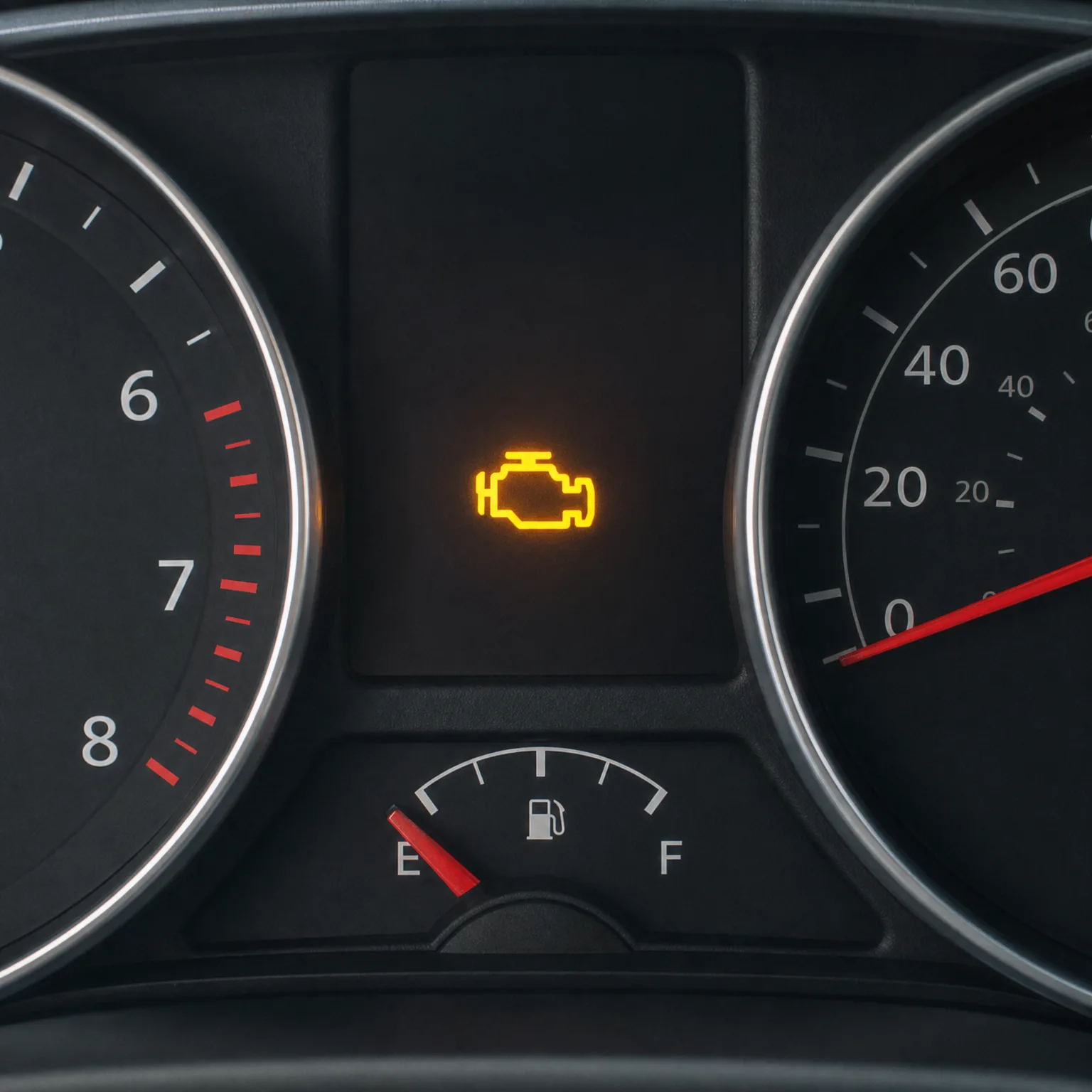
How to Pass the Driver Permit Test
You pass by studying your state's actual driver manual and practicing with real test-style questions until the rules feel automatic.
Why the manual matters more than any app or shortcut
The permit test is built directly from your state's driver manual. Every question on signs, right of way, speed limits, and specific rules like following distance or when to use headlights traces back to that one document. Study guides and practice apps can help you rehearse, but they're only useful if they match what's actually in your state's manual, because wording and specific rules do shift from state to state.
Most of the test rewards recognition, not deep understanding. You're not being asked to reason through a traffic situation the way you will once you're actually driving. You're being asked whether you remember that a yellow pennant-shaped sign means no passing zone, or what the speed limit is near a school unless posted otherwise. That's why memorization, done deliberately, works better here than it does almost anywhere else in life.
Where people lose points is usually the same place. Sign shapes and colors get mixed up because they were skimmed instead of studied. Specific numbers like following distances or alcohol-related rules get forgotten because they feel like trivia. And right-of-way situations at intersections get missed because they were never actually visualized, just read.
The cases where this plays out differently usually involve people who drove informally before testing, like on a farm or private property. They sometimes do worse on the written test because they've built habits that don't match the official rule, even if the habit is safe. If that's you, treat the manual as the authority over your own experience, at least for the test itself.
What happens if you fail the permit test?
Nothing serious happens, and this is worth knowing before you walk in. Most places let you retake the test, though there's often a short waiting period and sometimes a limit on how many attempts you get in a single visit or day.
What matters is what you do between attempts. Don't just retake it hoping for different questions. Go back through the manual sections you got wrong, because tests pull from the same pool of categories repeatedly. If you failed on signs, drill signs specifically. If you failed on situational rules, re-read those sections slowly instead of skimming the whole manual again. Treat the first attempt as information about where your gaps actually are, not just a setback.

Treat this as a memory test built from one document, not a test of driving sense.
Once your teen has the permit, compare quotes so you know how adding them affects your policy before license day.

Study the actual manual or wing it with a general app
If you do
You go in knowing the sign shapes, the specific numbers, and the right-of-way rules your state actually tests. The questions feel familiar instead of surprising. You move faster, second-guess less, and walk out with the permit the same day in most cases.
If you don't
You rely on general driving knowledge or an app built for a different state. Some questions feel oddly specific or worded in ways you don't expect. You miss points on details like sign meanings or exact rules, and you may need to come back and retake it after a waiting period.
What actually moves your score
- Read the real manual Generic apps may not match your state's exact rules. Get the official manual first, then use practice tools only to reinforce it.
- Drill sign shapes and colors These are easy points that get lost to confusion. Go through every sign category separately instead of mixing them together.
- Memorize the specific numbers Following distances, speed defaults, and similar rules show up often. Write them down separately so they stick on their own.
- Practice right-of-way scenarios These questions describe intersections in words, which is harder than it sounds. Picture or sketch the scenario instead of just reading it.
- Take practice tests under time Untimed review feels easier than the real thing. Practice with a timer so the actual test doesn't throw off your pacing.