How to Properly Inspect a Used Car Before Buying
Check the car's history, its body, its drive, and get a mechanic to look at it before you hand over money.
A family checks out a car sold by its original owner
A reader found a sedan listed by its original owner, who said it had been dealer-maintained and never in an accident. The price looked fair and the owner seemed honest, but the buyer still ran the vehicle history report before going to see it. The report showed a flood claim from years earlier in another state, something the seller either didn't know or didn't mention. That one check saved a drive across town and a wasted afternoon.
On a different car from the same search, the history came back clean, so the buyer went to look at it in person. They walked the body panels in daylight, checked under the floor mats for water stains, and took it on a drive that included both highway speed and tight turns. Everything felt right, but they still paid a local mechanic for an inspection before signing anything. The mechanic found worn rear brakes, which became a point used to lower the price. The buyer walked away knowing exactly what they were getting and what they'd need to spend soon after.
Is a mechanic inspection really necessary if the car looks and drives fine?
Yes, because the things that matter most are the things you can't see or feel in a short test drive. A car can idle smoothly, steer straight, and still have a transmission starting to fail or frame damage hidden under fresh paint. A trained mechanic has tools and experience you don't, and they're not trying to sell you the car.
The cost of that inspection is small next to the cost of a repair you didn't know was coming. If a seller won't allow it or acts rushed when you bring it up, treat that as information. A seller confident in the car's condition has no reason to stop you from confirming it.
Once you know the car's condition and history, compare insurance quotes for it before you buy.
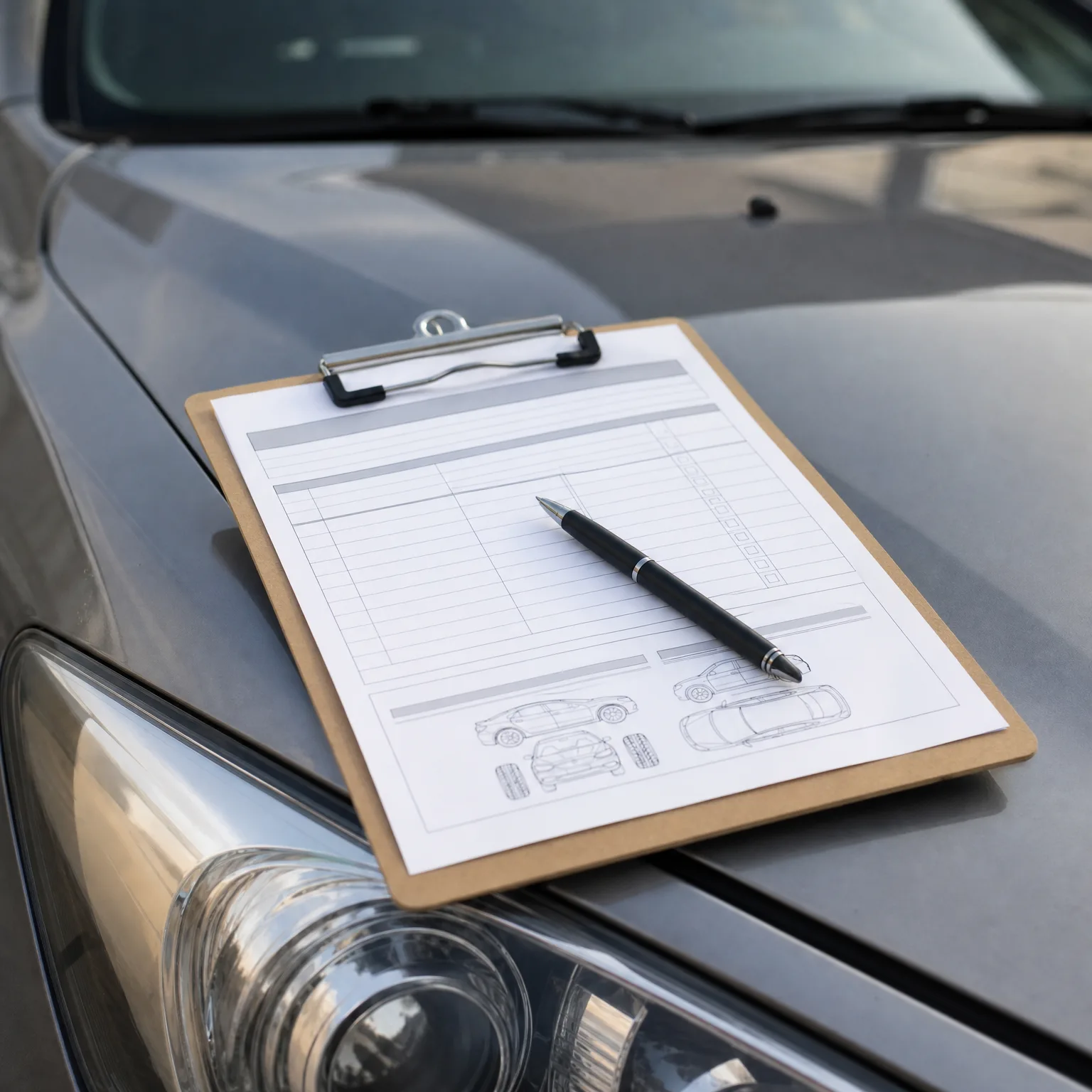
What a real inspection actually covers
- Vehicle history report This tells you about past accidents, title problems, and flood or fire damage. Run it using the vehicle's identification number before you even go see the car in person.
- Daylight body check Uneven gaps, mismatched paint, or ripples in panels can point to past collision repair. Walk around the car outside in full daylight, never under artificial lighting that hides flaws.
- Full test drive A short trip around the block won't reveal much. Drive at highway speed, brake hard in a safe spot, and take some turns to feel for pulling, noise, or hesitation.
- Independent mechanic inspection This is the single best money you can spend before buying. Pay a mechanic you choose, not one recommended by the seller, to check the engine, transmission, and frame.
- Paperwork and title check Make sure the name on the title matches the seller and that there are no liens attached. If something doesn't line up, stop and ask why before going further.
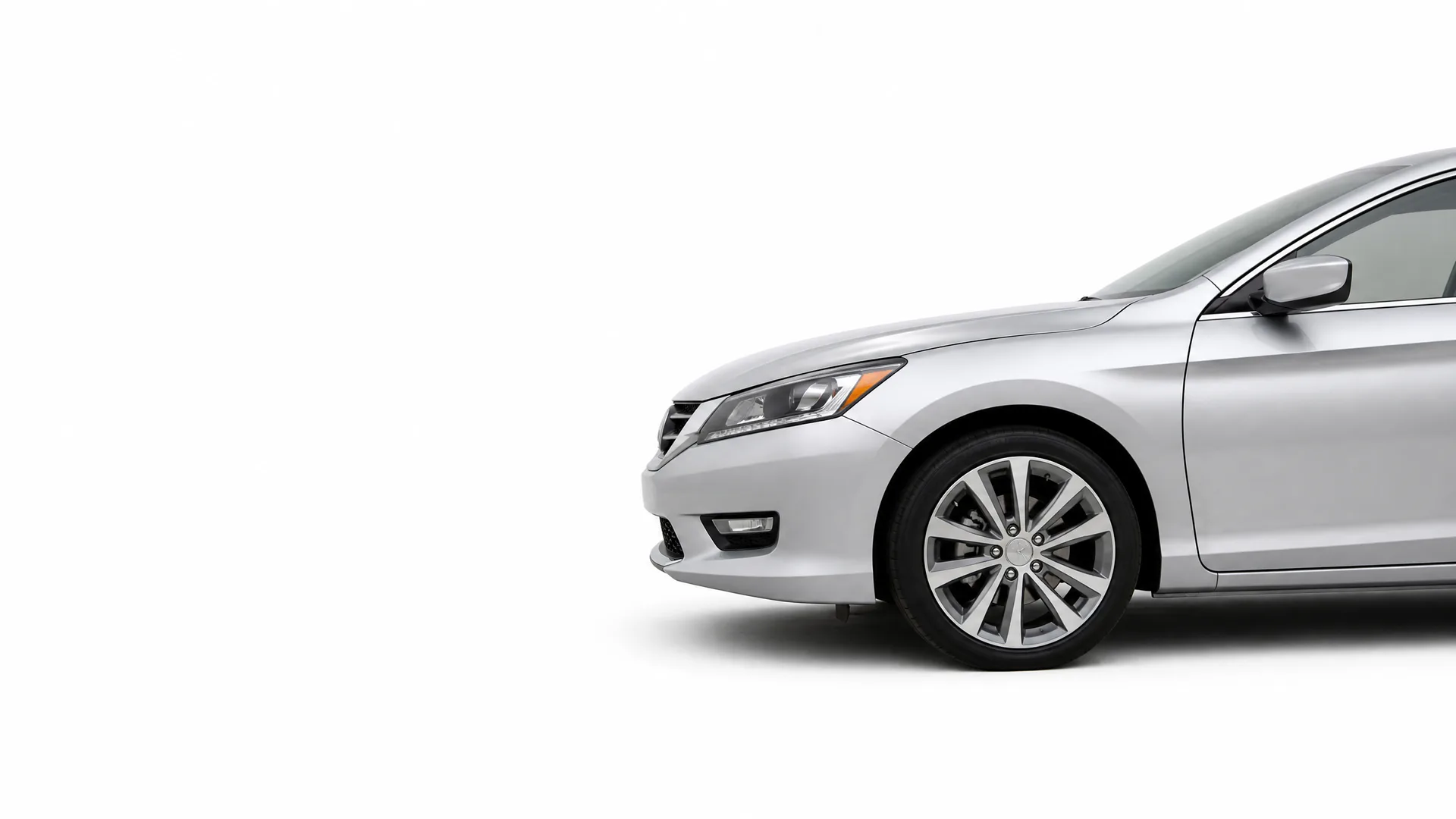
A clean-looking car can hide costly problems, so verify, don't just trust what you see.
How much does a pre-purchase car inspection cost?
It depends on the mechanic and the depth of the inspection, so call a few local shops and ask what their used car inspection includes and costs. Independent mechanics are usually more affordable than dealership service departments for this. Ask specifically whether they check the frame, transmission, and signs of prior accident repair, not just the basics like fluids and tires. A lower price that skips these checks isn't worth as much.
What questions should I ask the seller before meeting in person?
Ask why they're selling, who else has owned it, and whether it's ever been in an accident or had major repairs. Ask if they have maintenance records and whether the title is clean and in their name. How they answer matters as much as what they say. Hesitation, vague answers, or pressure to decide quickly are reasons to slow down or walk away.
Can I still get an inspection if I'm buying from a dealership?
Yes, and you should ask the same way you would with a private seller. A reputable dealership will let you take the car to an independent mechanic or have one come look at it. If a dealer refuses or says their own inspection is good enough, that's worth questioning, since their inspection serves their interest in selling the car, not yours.