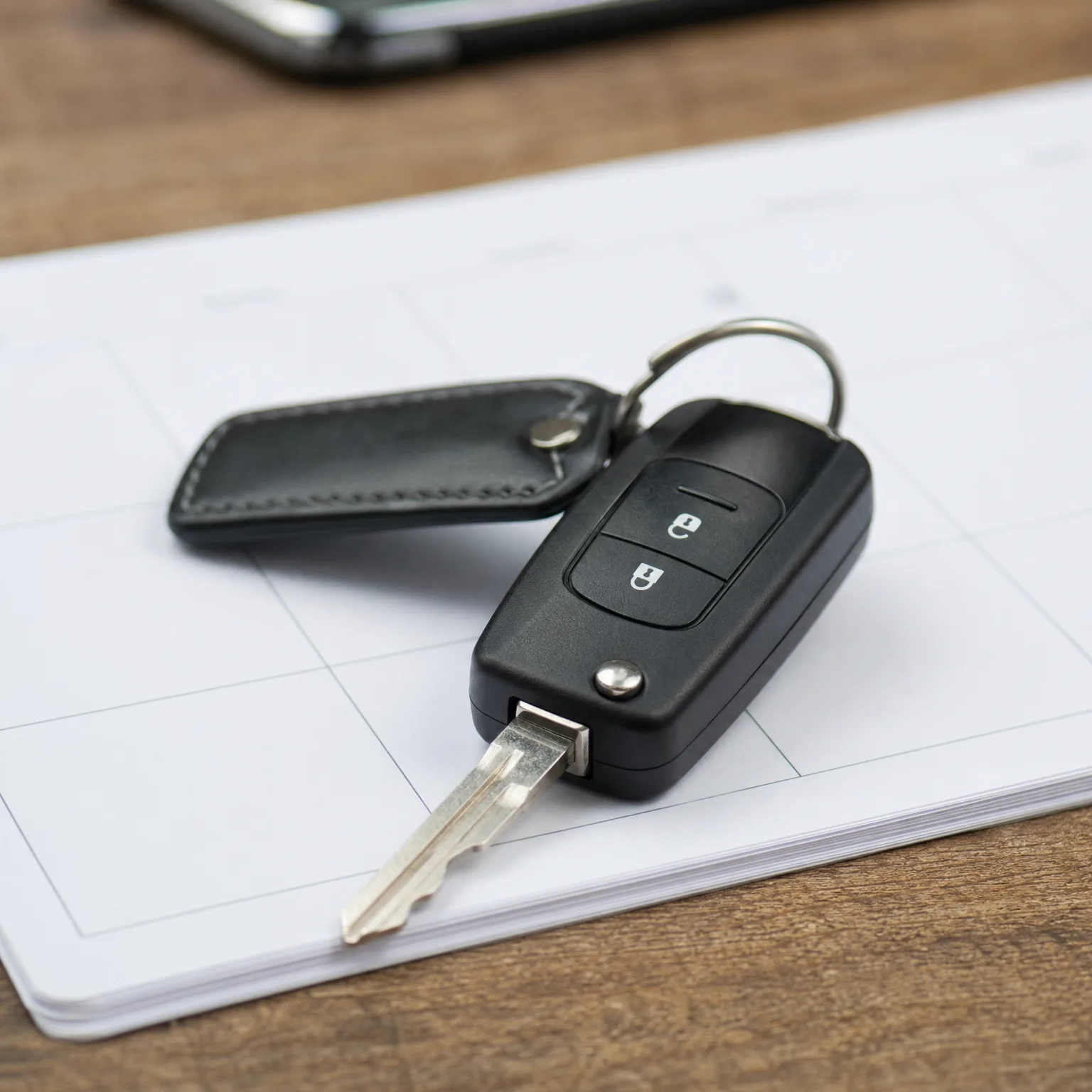
How to Talk to Your Teen About Texting and Driving
Make it a conversation about a plan, not a lecture about rules, and tie it to something concrete like the keys or the insurance bill.
Why the approach matters more than the warning
Teens already know texting and driving is dangerous. They've heard it in school, seen the ads, maybe watched a friend get a ticket. Telling them again that it's risky doesn't add new information, so it doesn't change much. What changes behavior is specifics: what they should do with the phone before the car even starts, what they say to a friend who's texting them while they're driving, what the consequence is if you find out they did it anyway.
The conversation works better as a plan you build together than a rule you hand down. Ask where they think the temptation will hit hardest, maybe it's a group chat, maybe it's a notification they can't ignore. Let them propose the fix, like putting the phone in the glovebox or turning on a do-not-disturb feature. A plan they helped design is one they're more likely to follow, because it feels like theirs instead of yours.
The consequence side matters too, and it has to be real. If you've said that a texting incident means losing the car for a while, that has to actually happen if it comes up, otherwise every future warning loses weight. This isn't about catching them, it's about making sure the stakes were clear before anything happened, not invented afterward in anger.
Where this plays out differently is with teens who already have some driving experience versus those just starting. A brand new driver has no habits yet, so you're building from scratch. A teen who's been driving a year might have picked up habits you don't know about, so the conversation starts with honest questions instead of assumptions.
A parent noticing a glance at the phone at a stoplight
A parent was in the passenger seat while their teen drove to practice. At a red light, the teen reached for the phone to check a text. The parent didn't yell. Instead, once they got home, they brought it up calmly and asked what was going through their mind in that moment, not to shame them but to actually understand the pull.
The teen admitted the group chat felt urgent, like not answering fast meant missing something. They talked through it and agreed the phone would go in the back seat or the glovebox before driving, not just on silent in the cupholder. They also agreed that if it happened again, driving privileges would pause for a set time. A few weeks later the parent noticed the teen had started putting the phone away unprompted. The conversation didn't fix everything instantly, but it turned a vague warning into a specific habit, and that's what stuck.

Once you've set the ground rules with your teen, compare quotes to see how a safe driving habit can shape what you pay.

Do you have this conversation before they're handed the keys
If you do
You give your teen a concrete plan before the temptation shows up, not after a scare. They know exactly what to do with the phone and what happens if they don't. Habits form before bad ones do, and you've set a real consequence that makes future warnings credible instead of empty.
If you don't
Your teen figures out their own rules in the moment, often under pressure from friends or habit. The first time texting and driving comes up might be after a close call or worse. Then the conversation becomes damage control instead of prevention, a harder place to start from.
What should I do if I catch my teen texting while driving?
Address it calmly and immediately, not days later. Ask what happened in their own words before deciding on consequences, since the goal is understanding the trigger, not just punishing the act. Follow through on whatever consequence you'd agreed on beforehand. If you hadn't set one yet, this is the moment to create it together. Check whether it was a one-time lapse or a pattern, because that changes whether you need a bigger conversation about trust and privileges, or just a reminder.
Do phone apps that block texting while driving actually help?
Yes, for many teens they remove the temptation by making the phone unusable or silent while the car is moving. They work best as a backup to the conversation, not a replacement for it, since a teen who wants to text can usually find a workaround. Check whether your phone's operating system has a built in version before looking for a separate one. What changes the answer is whether your teen is motivated to use it consistently or sees it as something to disable.
How do I bring this up without my teen shutting down?
Ask questions before you give opinions, and pick a calm moment, not right after an incident. Teens shut down when a conversation feels like an ambush or a lecture they've heard before. Framing it as planning together, rather than rules being imposed, keeps them talking. What changes the answer is your teen's personality, some respond well to direct talk, others need the conversation spread across a few shorter moments instead of one long sit-down.

A clear plan made before the keys are handed over does more than any warning said after.