Is 100000 Miles Good for a 12 Year Old Car
Yes, high mileage on an older car is normal and doesn't by itself make it a bad or unsafe choice for your teen.
Mileage tells you less than age and upkeep do
A car built in recent decades is engineered to run well past what used to be considered a high mileage mark, as long as it's been maintained. That mileage mark used to signal a car was near the end of its life, back when engines and transmissions wore out faster. Now it's closer to a midpoint for a well kept vehicle. What actually determines whether this is a good car for your teen is how it was driven and serviced before you got it, not the odometer reading alone.
For insurance purposes, what matters most is the car's safety equipment and its value, not its mileage. Insurers price a policy based on the car's year, make, model, and the cost to repair or replace it, along with who's driving it. An older car with high mileage usually costs less to insure for liability and collision than a newer one, simply because it's worth less. That can work in your favor when you're adding a teen, since the premium jump is partly tied to the value of the car they're driving.
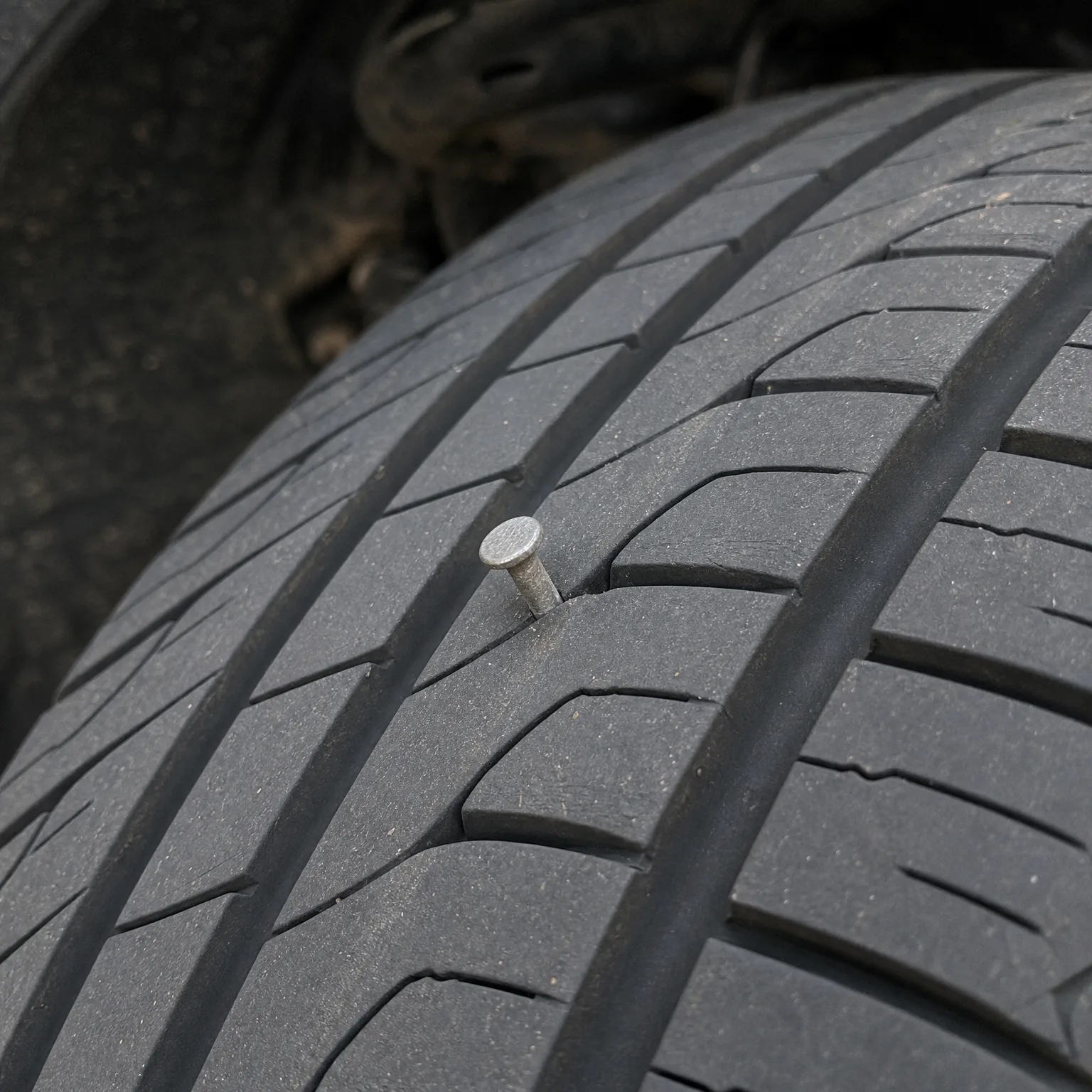
Where mileage does matter is reliability and the safety systems the car has. Older high mileage cars are more likely to need repairs, and a car in the shop or breaking down is its own safety risk for a new driver. Check whether the car has anti lock brakes, electronic stability control, and a decent crash test record for its model year. Those features matter more for your teen's safety than exactly how many miles are on the odometer.
What varies is how your state and insurer handle older vehicles for coverage decisions. Some insurers set a cutoff on comprehensive or collision coverage based on the car's value rather than age or mileage directly, and it may not make financial sense to carry full coverage on a car that's worth very little. Check with your insurer what the car is valued at and whether collision coverage still makes sense at that value.
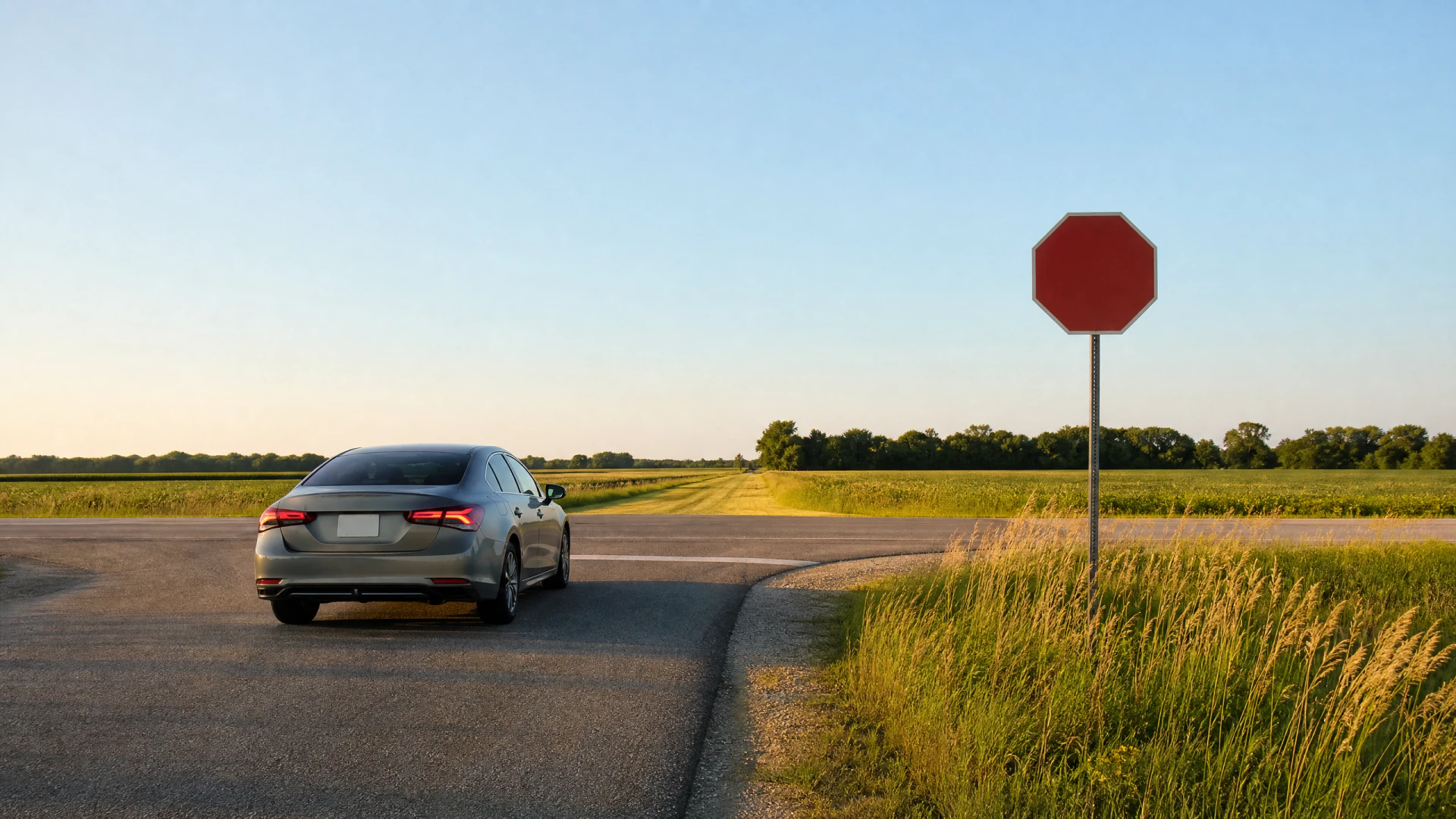
A family deciding between the old sedan and a newer used car
One parent had an older sedan with a lot of miles on it sitting in the driveway, paid off for years, and a newly licensed teen ready to drive. The instinct was to buy something newer and safer for the teen, assuming the old car was too worn out to trust. Before buying anything, they had a mechanic check it over and pulled up its crash test ratings for that model year.
The mechanic found the car mechanically sound, with recent brakes and tires, and the ratings held up fine against similar cars from its era. They decided to keep the sedan for the teen and put the money they'd have spent on a newer car toward a stronger course for the teen and a higher liability limit on the policy instead. The premium for adding the teen to the older, lower value car came in well below what a newer car would have cost to insure, and the family felt good knowing the money went toward things that actually reduced risk rather than just toward a newer dashboard.

Keep the high mileage car or replace it before your teen drives
If you do
If you keep the car, get a mechanic's inspection first and fix anything flagged. You'll likely pay less to insure it since it's worth less, freeing up budget for higher liability limits or a defensive driving course. Just plan for the chance of repair costs coming up sooner than with a newer vehicle.
If you don't
If you replace it, you'll have newer safety features and fewer unexpected repairs, but you'll also take on a higher premium since the car is worth more. You'll want to compare how much that premium increase actually buys you in safety versus just spending more each month for a newer-looking car.
Now that you know what drives the cost, compare quotes for insuring your teen on this car.

Does a car with high mileage cost more to insure for a teen driver?
Not usually, and often it costs less. Insurers price comprehensive and collision coverage based largely on the car's value, and a high mileage car is typically worth less than a newer one. Liability costs are tied more to the driver and the state's requirements than to the car itself. Check your policy's breakdown by coverage type to see where the teen's cost is actually coming from, since it may be more about their age than the car's mileage.
Should I drop collision coverage on a 12 year old car with high mileage?
It depends on what the car is worth compared to what collision coverage costs you each year. If the car's value is low, a payout after an accident may not be much more than what you'd pay in premiums over time. Check the car's current value and ask your insurer what collision would actually pay out, then weigh that against the ongoing cost. If you still owe money on the car or couldn't afford to replace it, keeping collision usually makes more sense.
Is it safer to buy a newer used car instead of keeping the old one for my teen?
Not necessarily, it depends on the specific cars being compared. A well maintained older car with decent crash ratings can be safer than a newer car that's been neglected or has a weaker safety record. Check crash test ratings for both cars' specific model years and get a mechanic's opinion on current condition. What changes the answer is whether the older car has any mechanical issues or lacks basic safety features like stability control.
The car's maintenance history and safety features matter more for your teen than the number on the odometer.