
Is a 13 Year Old Car Too Old
A 13 year old car is fine for a new driver as long as it's mechanically sound and has decent safety features.
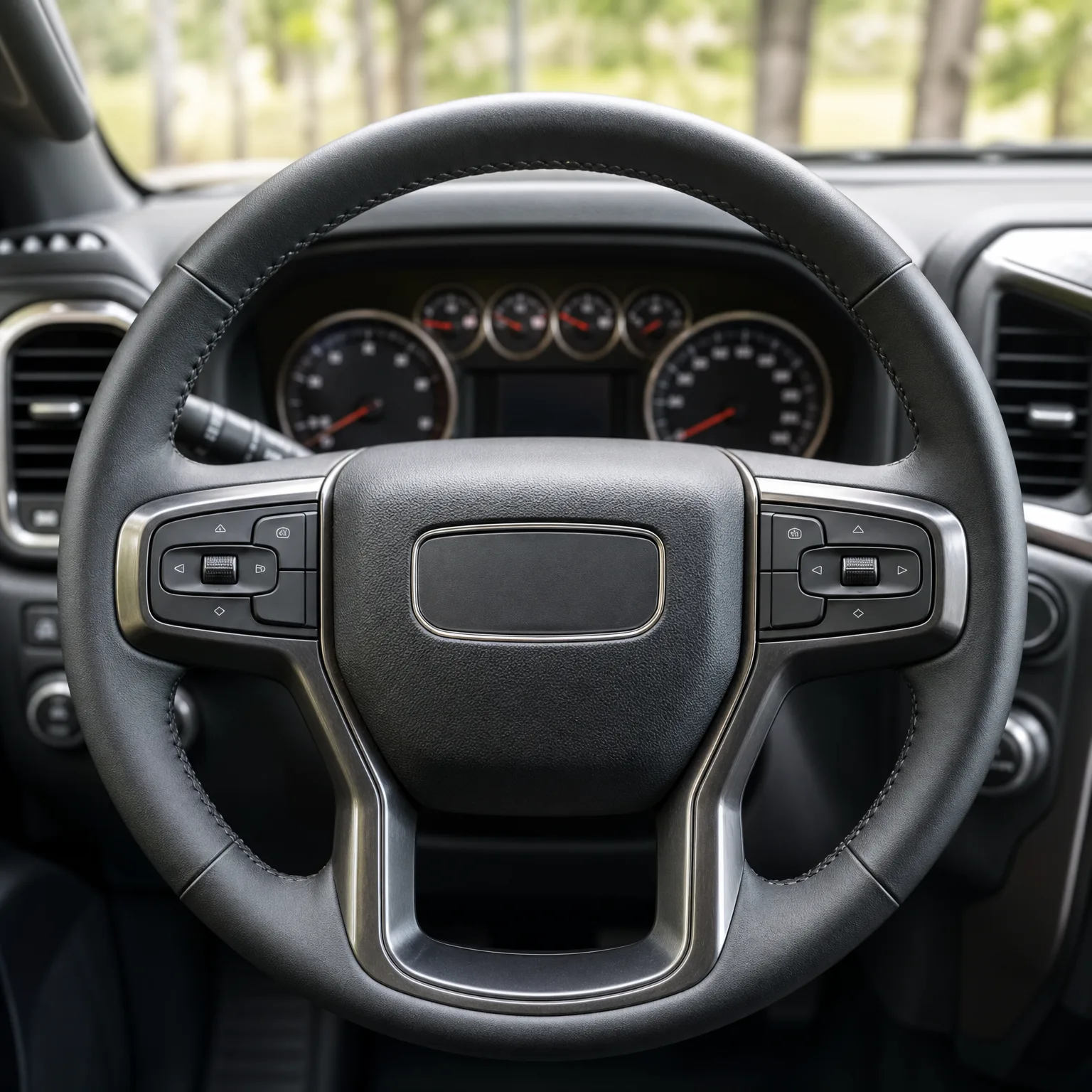
The hand-me-down sedan dilemma
A parent had an older sedan sitting in the driveway, originally bought before their teen was born. It still ran well and had passed every inspection, but it had no side airbags and only basic safety features compared to anything built in the last few years. The parent wondered whether handing it to their newly licensed teen was a mistake, or whether buying something newer made more sense before the first solo drive.
They took it to a mechanic for a full check first, which came back clean on brakes, tires, and suspension. Then they looked up the car's safety ratings from when it was built and compared them to what a modest newer used car would offer. The gap in protection was real but not drastic, and the insurance cost to cover the older car was noticeably lower since it carried little value to insure for damage. They kept the sedan, added a dash cam, and put the money they saved toward a defensive driving course for their teen instead.
Should I buy a newer car instead of insuring the old one?
Not necessarily, and the answer depends on what the old car lacks rather than its age alone. If the car has no major safety features that became standard later, like stability control or multiple airbags, and it's going to carry your most precious cargo, a newer used car might be worth the cost even with a higher payment or premium.
But if the old car is mechanically sound, has reasonable safety features for its era, and passes inspection without issue, replacing it mainly for the sake of newness doesn't buy you much. Put the money toward things that actually reduce risk instead, like driving lessons, a dash cam, or simply more supervised practice hours before your teen drives alone.
The car's condition and safety features decide the risk, not the number on the title.
Once you know what the car actually needs covered, compare quotes to see what protecting it and your teen really costs.

What actually matters with an older car for a new driver
- Mechanical condition first Have a mechanic check brakes, tires, and suspension before your teen drives it regularly. An older car that's been well maintained is safer than a newer one that hasn't.
- Safety features, not year Look up what safety features the specific model had, since some 13 year old cars already included airbags and stability control. Don't assume older automatically means unsafe.
- Value affects your coverage cost An older car is often worth little, so covering it for damage costs less than covering a new one. Ask your insurer what the car is worth before deciding what coverage makes sense.
- Keep liability coverage solid Whatever your teen drives, the coverage that pays for others' injuries or damage should stay strong regardless of the car's age. Don't skimp here to save money on an old car.
- Ask about feature discounts Some insurers lower rates for cars with certain safety equipment even if the car is older. Check with your insurer what the specific car qualifies for before assuming the age hurts you.
Why the car's age matters less than its condition and features
Insurers price a policy around two separate things, the risk your teen poses as a new driver and the cost to repair or replace the specific car. An older car usually has lower value, which lowers the cost to cover it for damage, but it does nothing to change how insurers view your teen's experience level. That part of the cost stays the same no matter what car they drive.
What changes the safety picture is the car's actual features, not its age as a number. Vehicles built around the same time can differ a lot depending on when the manufacturer added things like multiple airbags, stability control, or anti-lock brakes. A 13 year old car from a manufacturer that added these features early can be safer than a slightly newer car from one that lagged behind.
Condition matters just as much as the original design. A well maintained older car with good tires and working brakes is often a better choice for a new driver than a newer car that's been neglected or has unresolved mechanical issues. New drivers benefit most from predictability and reliability, not from having the latest model.
Where this changes is if the specific older car is missing safety features you consider essential, or if it's been in accidents that affected its structural integrity. In those cases, the risk isn't really about age either, it's about what that particular car can and can't offer. Always check the vehicle's specific history and features rather than treating its year as the deciding factor.