
Is a Heavier Vehicle Safer
A heavier vehicle usually protects its own occupants better, but it isn't automatically the safest or cheapest choice for a new driver.
What weight actually changes for a new driver
- Protection isn't avoidance A heavier vehicle tends to absorb impact better and shields occupants more in a collision. It does nothing to help a new driver brake, steer, or react sooner, which is where most teen crashes start.
- Insurers price the vehicle too A bigger or heavier vehicle can cost more to insure because repairs and liability payouts run higher. Ask for a quote on the specific vehicle before assuming bigger means safer for your budget too.
- Top heavy isn't just heavy Trucks and large SUVs carry more rollover risk, which can offset the benefit of added weight. Look at a vehicle's full safety record, not just its size, before deciding it's the safer pick.
- Features matter as much as mass Automatic braking, stability control, and blind spot warnings reduce the chances of a crash happening at all. Weigh these features alongside size when you compare vehicles for your teen.
- Ask what your insurer rewards Some insurers give better rates for vehicles with strong safety ratings regardless of size. Ask directly which features or models earn a better rate before you buy or add a car to your policy.
Should I just buy my teen the heaviest car I can afford?
No. Buying based on weight alone can leave you with a vehicle that's harder to handle, more expensive to insure, and not actually the safest option on the road.
Weight helps in a direct collision with a smaller vehicle, but it doesn't help a new driver avoid the crash in the first place. A moderate size vehicle with strong safety ratings, good visibility, and modern driver assistance features often protects a new driver better than a large, heavy one that's harder to maneuver.
Rollover risk, braking distance, and blind spots all matter more for a beginner than raw mass. Before you decide, look at crash test results and safety feature lists for the specific models you're considering, and ask your insurer how each one affects your premium. That combination tells you more than weight alone ever will.
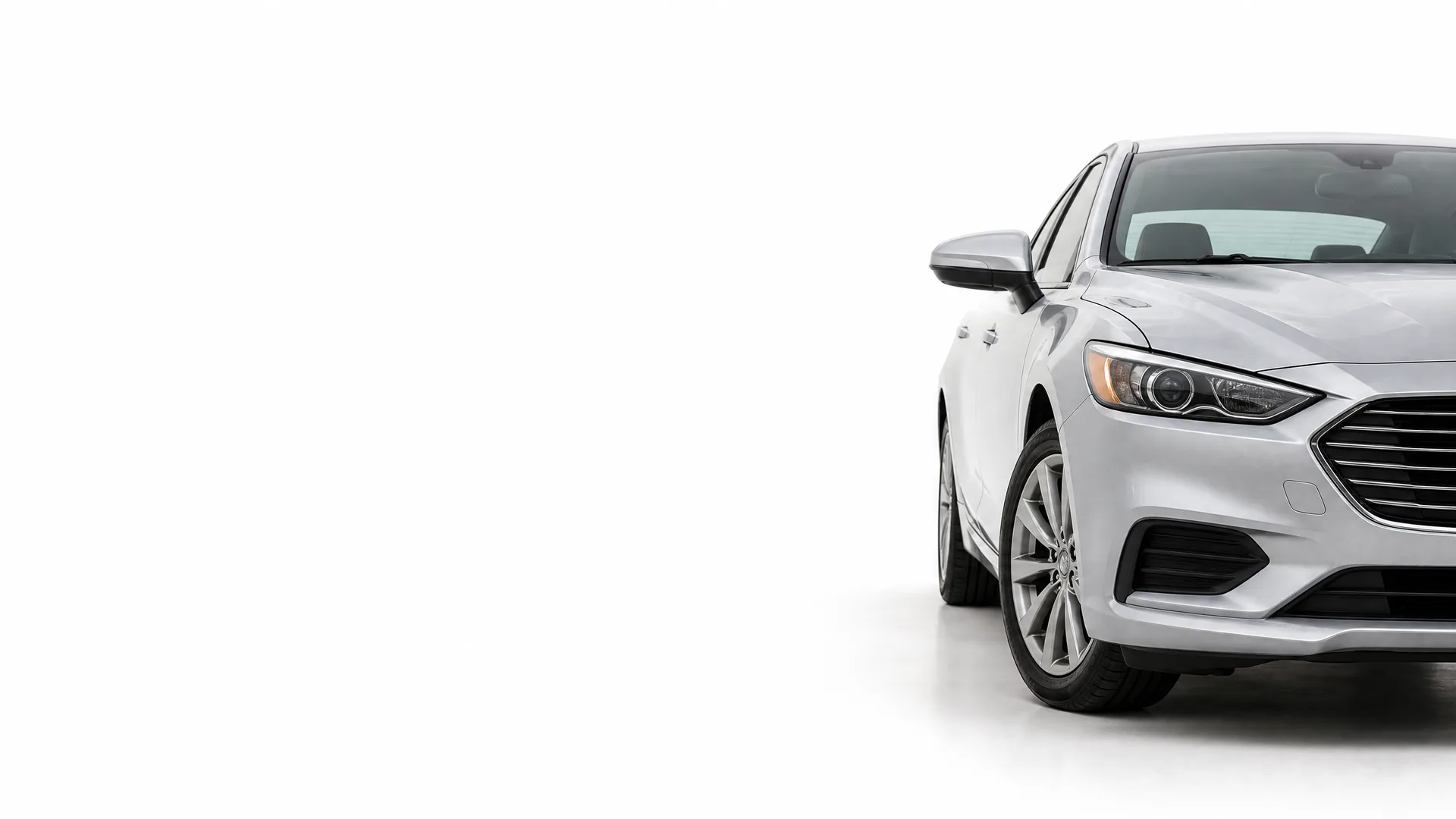
The safest car for your teen helps them avoid a crash, not just survive one.
Once you've picked a vehicle for your teen's safety and your budget, compare quotes to see what it costs.

Choosing vehicle safety by weight alone
If you do
You pick a heavier vehicle expecting it to be the safest option. It may protect better in a direct hit, but it could also be harder for a new driver to handle, more prone to rollover, and pricier to insure. You find out the tradeoffs after you've already bought it.
If you don't
You compare crash ratings, safety features, and insurance quotes across a few vehicles before deciding. It takes more time upfront, but you land on a vehicle that's genuinely safer for a beginner and know what it costs to insure before you commit.

Choosing between a small SUV and a full size truck
A parent was deciding between an older full size truck already sitting in the driveway and a smaller, newer SUV they'd need to buy. The truck felt safer because it was bigger and heavier, and it was free. But when they looked up its safety ratings, it had no modern driver assistance features and a known rollover risk in sharp turns.
They got quotes on both vehicles and found the SUV, despite being smaller, had a lower insurance cost because of its strong safety ratings and newer safety tech. They also factored in that their teen would find the SUV easier to park and maneuver while still learning. They bought the SUV instead of keeping the truck on the road for their teen, deciding that handling and avoidance mattered more than size for a brand new driver.