Is a New Car Automatically Added to Your Insurance
A new car gets a short grace period on most policies, but you still have to call your insurer and add it yourself.
Coverage follows you for a window, then it stops unless you act
Insurers build in a short grace period so a new car isn't left completely unprotected the moment you drive it off the lot. This usually extends whatever coverage you already carry on your other vehicles to the new one, for a limited number of days. But that grace period is a bridge, not a replacement for actually adding the car to your policy.
The reason this isn't automatic is simple. Your insurer doesn't know you bought a car until you tell them. Policies list specific vehicles by make, model and VIN, and premiums are priced around those specific cars. A new purchase changes the risk the insurer is covering, so they need the details before they can officially extend full protection.
This matters even more if the new car is financed or leased. Lenders typically require a certain level of coverage, often including comprehensive and collision, and if you haven't added the car yet, you may technically be out of compliance with your loan terms even while the grace period is active. The grace period protects you from a lapse in liability basics, but it doesn't guarantee you're meeting every requirement tied to the purchase.
How long that grace period lasts, and exactly what it covers, varies by insurer and sometimes by state. Some extend full coverage matching your existing policy, others extend only liability. Check your specific policy documents or call your agent to find out what applies to you, rather than assuming the broadest protection.

Trading in the family sedan for something newer
You trade in your old car and drive home in a replacement the same afternoon. You assume you're covered because you've had insurance for years and nothing about your situation feels different. A few days pass before you remember to call your insurer, and in the meantime you drive the new car to work and back without giving it another thought.
When you do call, your agent tells you the grace period did extend coverage automatically, but only your liability limits, not the comprehensive and collision coverage you had on the old car. If something had happened to the new car during those few days, repairs would have come entirely out of pocket. Once you add the car formally, full coverage kicks back in immediately, and your agent adjusts the premium for the new vehicle's value. The lesson for you isn't fear, it's timing. Making the call within a day or two, rather than whenever it crosses your mind, is what keeps the gap from ever becoming real.

With your new car properly added, compare quotes to make sure you aren't overpaying for coverage it doesn't need.

Call your insurer right after you buy the car
If you do
You give the insurer your new car's details right away, and they confirm exactly what's covered going forward. Your policy gets updated with accurate coverage and the right premium. If you ever need to file a claim, there's no question about whether the car was properly insured at the time.
If you don't
You rely on the grace period and assume everything is fine. If that period ends before you've called, or if it only covered partial protection, an accident or theft could leave you paying out of pocket for repairs or replacement. You also risk violating loan or lease requirements without realizing it.

What to do the moment you drive a new car home
- Call your insurer same day Don't wait for a bill or renewal notice. Call or go online right away so the car is on record and covered at the level you expect.
- Ask what the grace period covers Some policies extend full coverage automatically, others only liability. Get a clear answer instead of assuming the broader option applies to you.
- Give the VIN and loan details If the car is financed or leased, your insurer needs that information to apply any required coverage levels your lender demands.
- Update coverage choices A new car may be worth insuring more fully than your old one was. Decide if your previous coverage levels still make sense.
- Confirm the change in writing Ask for a confirmation email or updated declarations page so you have proof the car is covered under the new terms.
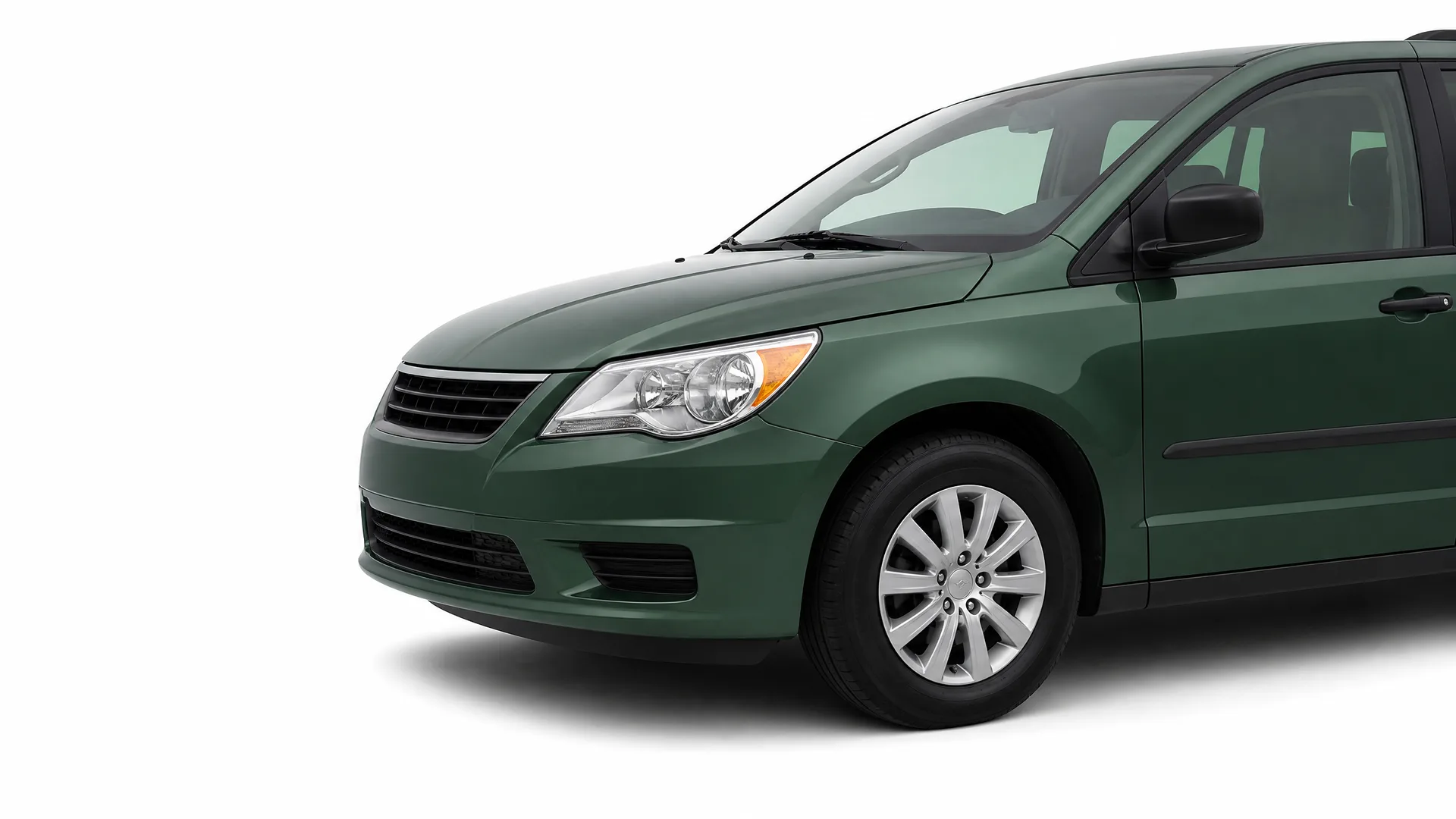
A grace period is borrowed time, not protection, so call your insurer the same day.