
Is Accident Forgiveness Worth It With a Teen Driver
With a teen driver added, accident forgiveness is usually worth it because it protects your rate from their first likely mistake.
Why it matters more now than it ever did before
Accident forgiveness exists for exactly one moment: the first at-fault accident. Normally that accident raises your premium for several years. With forgiveness in place, your insurer treats that first accident as if it didn't happen, at least for pricing purposes. For most drivers that's a nice-to-have. For a household with a new teen driver, it's closer to a necessity, because new drivers are statistically far more likely to be the ones who cause that first accident.
The reasoning underneath this is simple. Insurers price risk, and a brand-new driver is the biggest unknown on your policy. You're not buying forgiveness because you expect your teen to be careless. You're buying it because inexperience itself is the risk, regardless of how responsible your teen is. Even attentive new drivers misjudge distances, react late, or get caught in situations a more experienced driver would have avoided. That's not a character flaw, it's a skills gap that closes with time.
Where this gets less clear-cut is in how forgiveness is structured. Some policies apply it to the whole household, so one forgiven accident covers whoever caused it. Others tie it to a specific driver. Some insurers require you to be accident-free for a stretch before you even qualify, which matters if your teen is new enough that you haven't built up that history yet. And forgiveness protects your rate, not your wallet at the scene. You still pay deductibles and still deal with repairs. It changes what happens afterward, not what happens that day.
The cases where it's not worth it are narrower than people assume. If your insurer already prices teen drivers so high that forgiveness adds little relative protection, or if you're planning to switch insurers soon anyway, the math shifts. Otherwise, for a family with a new driver and years of that driver remaining on the policy, forgiveness tends to pay for itself the first time it's actually used.
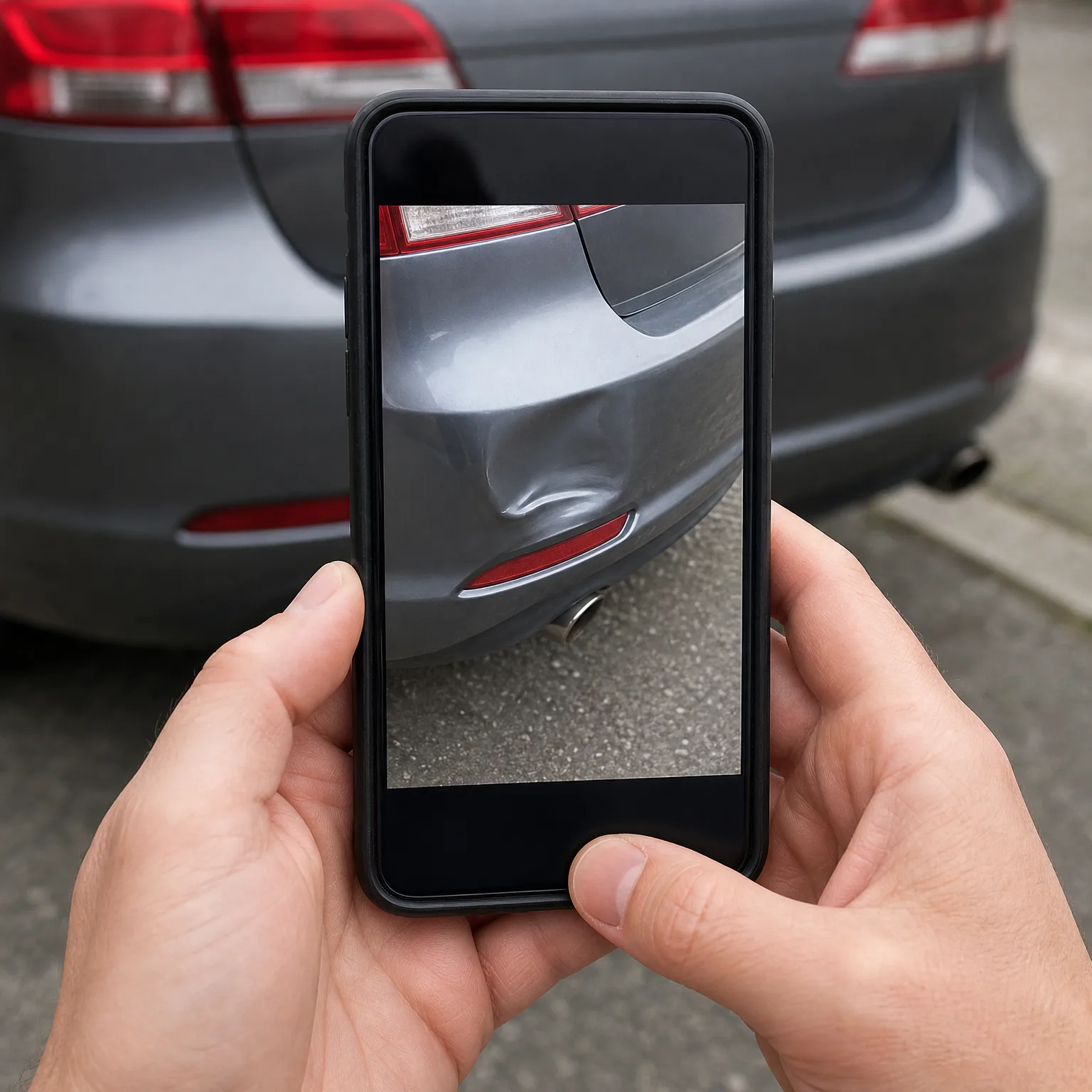
What to check before you decide
- Household vs. per-driver Some policies forgive one accident for anyone on the policy, others only for one named driver. Ask which type you're being offered before comparing cost.
- Waiting periods Many insurers require a clean record for a period before forgiveness kicks in. Ask whether your teen already qualifies or needs to build history first.
- What it doesn't cover Forgiveness protects your rate, not your deductible or repair costs. Confirm what you'd still owe out of pocket if your teen causes an accident.
- How it's earned vs. bought Some insurers include it after years of safe driving, others sell it as an add-on. Ask which applies to your policy so you know if you're paying for something you could earn instead.
- Length of protection Forgiveness usually applies to one incident, not every future one. Ask how the policy resets afterward so you know what protection you have going forward.

A family adding their son to the policy
A father called his insurer after his son passed his road test, expecting the quote to sting a little. It stung more than he expected. The agent mentioned accident forgiveness as an add-on, and his first reaction was that it sounded like an upsell he didn't need, since his son was a careful kid who'd practiced for months.
He asked the agent what it actually did, and once he heard it was about protecting the family's rate from one mistake rather than assuming his son would make one, it made more sense. He checked whether it applied to the whole household or just his son, found out it covered whoever was driving, and decided the cost was worth it given how many years his son had left on the policy. Eight months later his son clipped a mailbox backing out of a friend's driveway. The claim was small, but without forgiveness their renewal would have jumped. With it, their rate stayed where it was, and the father felt like the decision had quietly done its job.
Once you know if forgiveness fits, compare quotes with and without it to see what the difference really costs.

Does accident forgiveness lower my premium now or only later?
It mainly protects you later, not now. The cost of adding it is usually small and upfront, while the benefit shows up only if an at-fault accident happens and your rate would have otherwise increased. If no accident occurs, you won't see a visible return, which is why some people mistake it for a waste. Check whether your insurer offers any current discount for having it, since a few do.
Can my teen get accident forgiveness on their own policy later?
Usually not right away, since most insurers require a period of safe driving before offering it, whether earned or sold. If your teen moves to their own policy young, they may start without it. Check whether their new insurer offers an equivalent add-on immediately or requires them to build a record first, since this varies by company.
Does one forgiven accident protect against a second one too?
No, it typically covers a single incident, not every accident going forward. After it's used, a later at-fault accident is treated normally and can raise your rate. Check your policy's language for whether forgiveness resets after a clean period or whether you'd need to requalify or re-add it.

Your teen doesn't need to be reckless. Inexperience alone is the risk you're insuring.