Is Driving at Night Safer Than Day
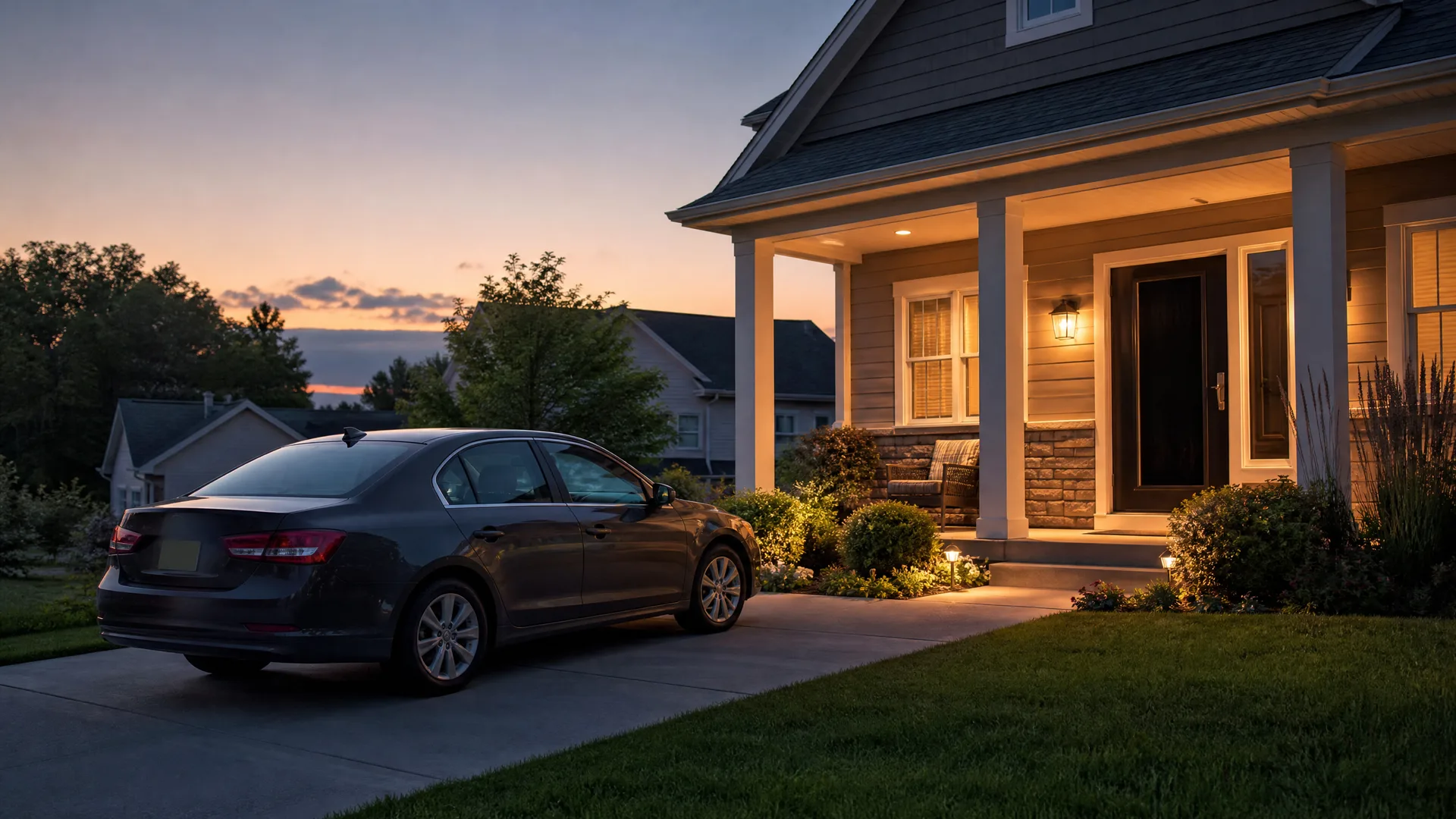
No, night driving is more dangerous than day driving, even though the roads look emptier and calmer.
Darkness takes away the warning time a driver needs
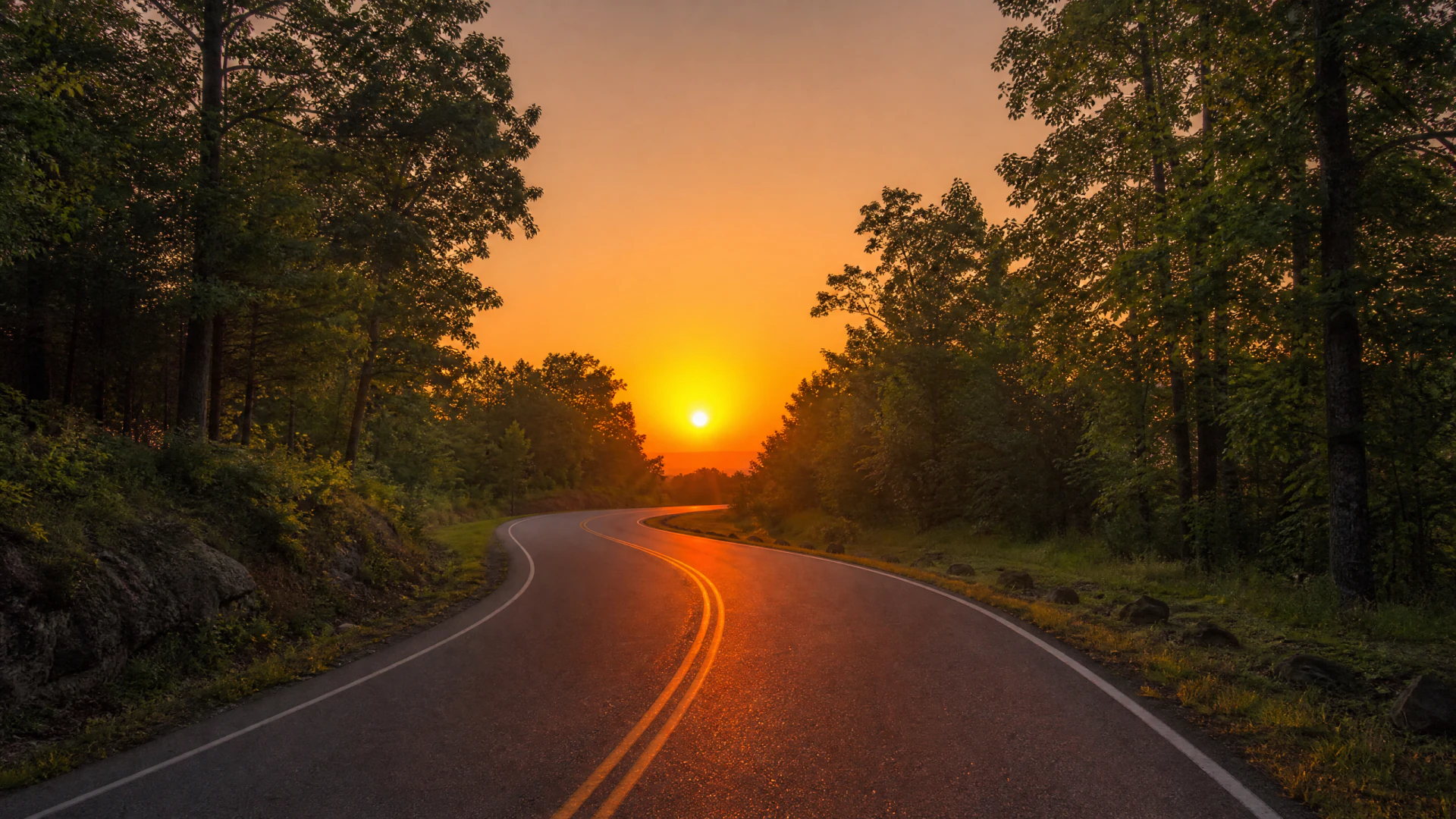
Your eyes judge distance and speed using contrast and peripheral detail, and both weaken once the sun goes down. Headlights show you a narrow strip of road instead of the wide field of view you get in daylight, so a driver has less time to notice a pedestrian, an animal, or a stopped car ahead. Less time to notice means less time to react, and that gap is where crashes happen.
The roads themselves don't help. Night driving overlaps with when tired drivers are most likely to be on the road, when drinking drivers are most likely to be out, and when a new driver is most likely to be worn out from a full day already. None of those factors show up on a learner's permit practice drive at four in the afternoon, which is part of why the risk catches families off guard.
Lighter traffic does cut down on some kinds of crashes, mainly the slow fender benders that happen in heavy daytime congestion. But the crashes that do happen at night tend to be more severe, because speeds are often higher on emptier roads and reaction times are already working against the driver. Fewer crashes overall doesn't mean safer crashes.
This holds true everywhere, but how insurers and state licensing programs respond to it varies. Many states restrict new teen drivers from driving during certain night hours as part of a graduated licensing system, and insurers sometimes ask about typical driving hours when pricing a policy. Check your state's rules for your teen's license stage and ask your insurer directly how night driving factors into the quote.

A parent who assumed quiet roads meant safer roads
One parent let their newly licensed teen take the car to a friend's house eight miles away, reasoning that nine at night would be fine since traffic was light and the route was familiar. The teen had driven it before, always in daylight, and the parent didn't think to treat the dark drive any differently. Halfway there, a deer crossed the road and the teen braked late, swerving onto the shoulder before regaining control.
No one was hurt and the car was fine, but it shook both of them. The parent realized the teen had never practiced spotting hazards with headlights alone, judging distance without daylight cues, or reacting to something appearing suddenly at the edge of low beams. They went back to supervised night drives on that same route before letting the teen do it alone again, and checked whether their state's licensing rules actually restricted that hour for a driver at the teen's stage. It turned out the restriction applied and they hadn't realized it yet.
Treat night driving as a skill your teen hasn't practiced, not the same drive after dark.
Once you've set your teen's night driving rules, compare quotes to see how that decision affects the price.
Whether you set night driving limits for your teen
If you do
You set clear hours for driving alone at night and supervise the first few after-dark drives yourself. Your teen builds real experience judging distance and hazards in low light before going solo. You get a clear sense of their comfort level, so you can ease restrictions as skill catches up to license.
If you don't
Your teen drives at night with the same confidence they have during the day, without the practice to back it up. The first real hazard, an animal, a stalled car, a pedestrian in dark clothing, catches them without the reaction time they need. You won't know whether they're ready until something forces the question.

What actually makes night driving riskier for a new driver
- Reduced visibility range Headlights only show a narrow strip of road, so hazards appear with less warning. Practice night drives on familiar roads before your teen does them alone.
- Tired or impaired drivers Night hours have more fatigued and drinking drivers sharing the road. Treat late hours as higher risk regardless of how light traffic looks.
- Higher speeds on emptier roads Fewer cars can tempt faster driving, which shrinks reaction time further. Talk to your teen directly about keeping speed steady even when the road feels open.
- State night driving limits Many graduated license programs limit solo night driving for new drivers. Check your state's specific hours and stages so you're not relying on guesswork.
- Insurer driving habit questions Some insurers ask about typical driving times when pricing a teen driver. Ask your insurer directly whether night driving patterns affect your quote.