Is It a Good Idea to Buy a Used Car with 70000 Miles
A car with 70000 miles is usually just getting broken in, not worn out, if it was cared for.
Mileage alone doesn't tell you the condition, history does
70000 miles sounds high if you're picturing a car near the end of its life, but most modern vehicles are built to run well past that number, often doubling it with proper care. The engine and transmission in a well-maintained car at this mileage have typically had their first major services done, which can actually work in your favor since you're buying a vehicle that's already proven it holds up.
What matters more than the number on the odometer is how those miles were driven and whether the car was maintained on schedule. Highway miles are gentler on a car than stop-and-go city driving, since steady speeds cause less wear on brakes, transmissions, and engines. A car with service records showing regular oil changes and fluid checks at 70000 miles is a very different purchase than one with no records at all, even if both show the same mileage.
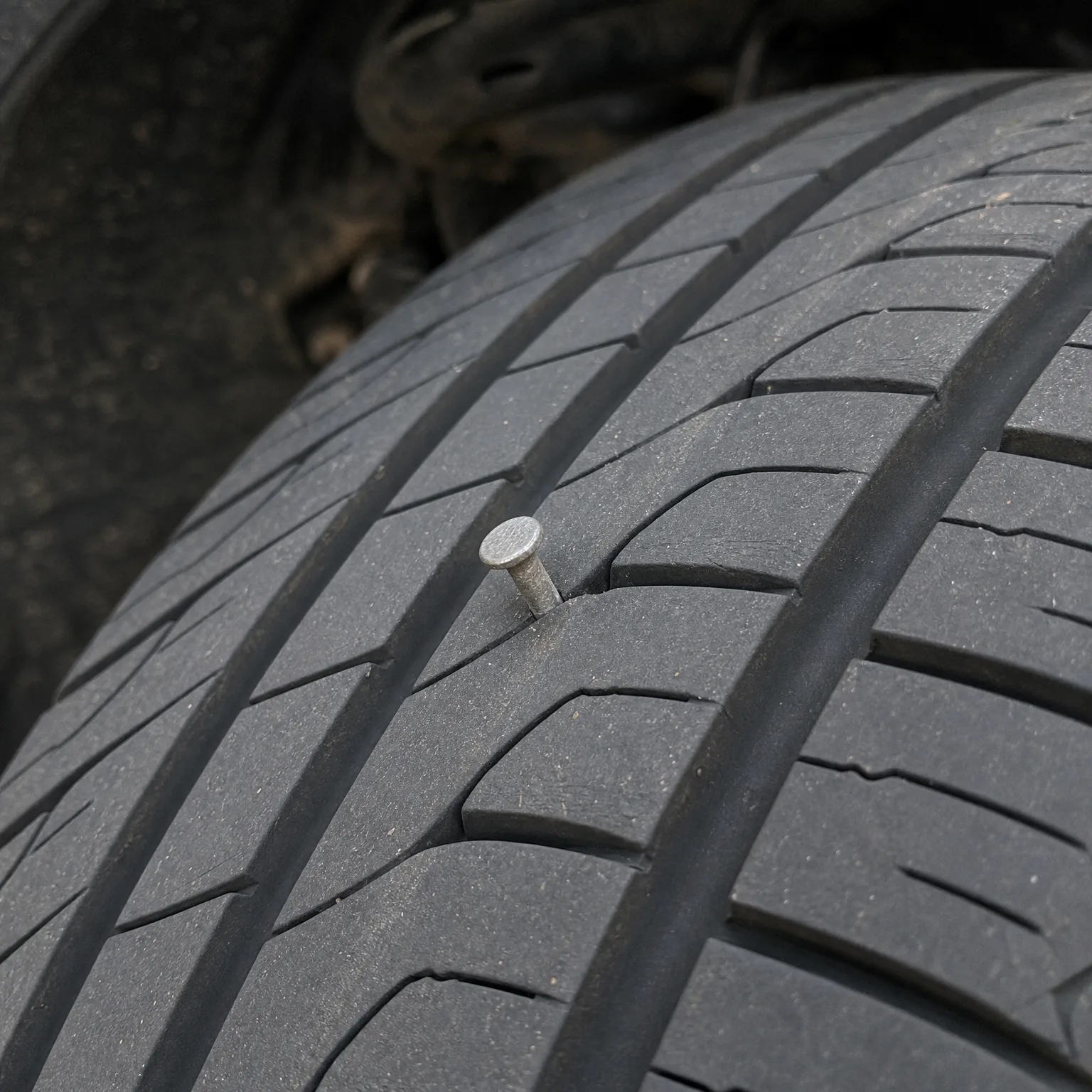
This is also the mileage range where certain parts start to near the end of their expected life, things like timing belts, brakes, and suspension components. That doesn't mean the car is a bad buy, it means you should budget for the possibility of replacing some of these soon and use that as a point in your price negotiation.
Where this gets less certain is with specific makes and models. Some vehicles are known to run reliably well past this mileage with minimal issues, while others start showing expensive problems right around here. Look up reliability information for the specific model year you're considering, since this varies a lot by manufacturer and even by model generation within the same brand.
How many more years can I expect to get from this car?
There's no fixed answer, but a well-maintained car at 70000 miles often has many more years of use left in it, especially if it's a model known for longevity. The bigger factor is how it was treated before you bought it, not the mileage by itself.
Get a pre-purchase inspection from an independent mechanic before you buy. They can check the condition of the engine, transmission, brakes, and suspension, and give you a realistic sense of what repairs might be coming soon. This costs a bit upfront but tells you far more than mileage alone ever could, and it can also give you leverage to negotiate the price down if issues turn up.

Whether you get an independent inspection before buying
If you do
A mechanic checks the engine, transmission, brakes, and suspension for hidden problems. You find out what repairs are coming soon and get real leverage to negotiate the price. You buy with a clear picture of the car's actual condition instead of guessing from mileage and a test drive.
If you don't
You're relying on the seller's word and your own test drive, which won't catch internal wear or past damage. You might save a small inspection fee now but risk a major repair bill within weeks of buying the car. Problems that could have been priced into your offer become your problem alone.
Once you know the car's real condition and worth, compare insurance quotes to see what it costs to drive.

What actually determines if this is a smart buy
- Full service history Ask for records showing regular oil changes and scheduled maintenance. A gap in records or no records at all is a bigger warning sign than the mileage itself.
- Independent inspection Pay a trusted mechanic to check the car before you buy, not the dealer's mechanic. This reveals hidden wear and gives you facts to negotiate with.
- Reliability by model Look up how this specific make, model, and year holds up at higher mileage. Some vehicles are built for long life, others start having expensive issues around now.
- Upcoming maintenance costs Ask the mechanic what's due soon, like belts, brakes, or fluids. Factor that cost into your offer instead of being surprised by it later.
- Highway versus city miles Ask the seller or check the history report for how the car was driven. Highway miles cause less wear than stop-and-go city driving at the same mileage.

What is a fair price for a used car with 70000 miles?
It depends on the make, model, year, condition, and your local market, so there's no single number that applies everywhere. Check pricing guides that use your specific vehicle details and compare several similar listings in your area. Condition and service history can shift the fair price up or down significantly, so use the inspection results as part of your negotiation, not just the mileage.
Should I avoid a used car that has no maintenance records?
Missing records are a caution sign, but they don't automatically mean the car is a bad buy. Get a thorough independent inspection to check actual condition, and consider asking for a lower price to account for the uncertainty. If the car checks out mechanically and the price reflects the missing history, it can still be a reasonable purchase.
Will a used car with high mileage cost more to insure?
Insurance cost depends mainly on the car's value, safety features, and your own driving record, not primarily on its mileage. A used car is often cheaper to insure than a new one simply because it's worth less, but check with insurers directly since rating rules vary. Get a quote before you finalize the purchase so there are no surprises.