
Is It Cheaper to Have 3 Cars on One Policy
Yes, combining three cars under one policy almost always costs less per car than insuring them separately, teen included.

What actually lowers the cost of a three-car policy
- Multi-car discount Insurers knock a percentage off every vehicle once you insure more than one car with them. Ask your agent to show the per-car breakdown so you can see the discount applied, not just the total.
- One liability limit covers all Your bodily injury and property damage limits apply across all three cars instead of being bought three times. Keep limits high enough to protect your assets, since all drivers in the house share that same coverage.
- Assign the teen to the right car Rates are set partly by which car the teen drives most. Put them on the oldest, safest, cheapest-to-insure car on the policy instead of the newest one.
- Drop coverage on old cars If one of the three cars is old and low in value, dropping collision and comprehensive on it can offset some of the cost of adding a teen. Check the car's value against what you're paying for that coverage each year.
- Same insurer, same renewal Combining all three cars at renewal, rather than adding one mid-term, usually gets you the full discount and a cleaner comparison. Ask your agent to quote all three together before you commit to anything.

A family adds a third car when their daughter starts driving
A couple had two cars on one policy for years, a sedan for one parent and an SUV for the other. When their daughter turned 16, they bought a used, inexpensive hatchback instead of giving her the newer SUV. They called their insurer to add the car and the driver at the same time, rather than adding the car first and sorting out the driver later.
The agent ran the quote two ways, once with all three cars on one policy and once with the new car and the teen split onto a separate policy. The combined quote came out lower per car, and assigning the daughter as the primary driver of the older hatchback instead of the SUV kept her rate from spiking as high as it would have otherwise. They also dropped comprehensive and collision on the hatchback, since it wasn't worth much, and put that savings toward keeping their liability limits high across all three cars. The result was a single bill that was easier to track and lower than either parent expected when the renewal notice first arrived.

Compare quotes for all three cars on one policy to see the exact discount and the right car to assign your teen.
Why three cars on one policy usually costs less
Insurers price risk partly on how much administrative and underwriting cost it takes to manage a customer. One household with one policy, one renewal date, and one set of named drivers is cheaper for the insurer to service than three separate policies, even if the same cars and drivers are involved. They pass part of that savings back to you as a multi-car discount, which is why combining almost always beats splitting.
The other part of the savings comes from how liability limits work. Buying one set of bodily injury and property damage limits that covers three cars is less expensive than buying three separate sets of limits, because the insurer is pooling the risk across your household rather than treating each car as a standalone exposure. This is also why your total premium doesn't simply triple when you go from one car to three.
Where it can work out differently is when one of the three vehicles is unusual, like a high-performance car, a classic, or one registered to a different address or driver who isn't part of your household. Insurers sometimes price those separately regardless of discounts, and some companies cap how many vehicles or drivers can go on a single policy. State rules on how insurers can rate multi-car households also differ, so the size of the discount itself varies by where you live and by insurer.
The teen driver changes the math too, but it changes it on top of the multi-car structure, not instead of it. Keeping all three cars together still gives you the best shot at an affordable total, even after the cost of adding a new driver is factored in.
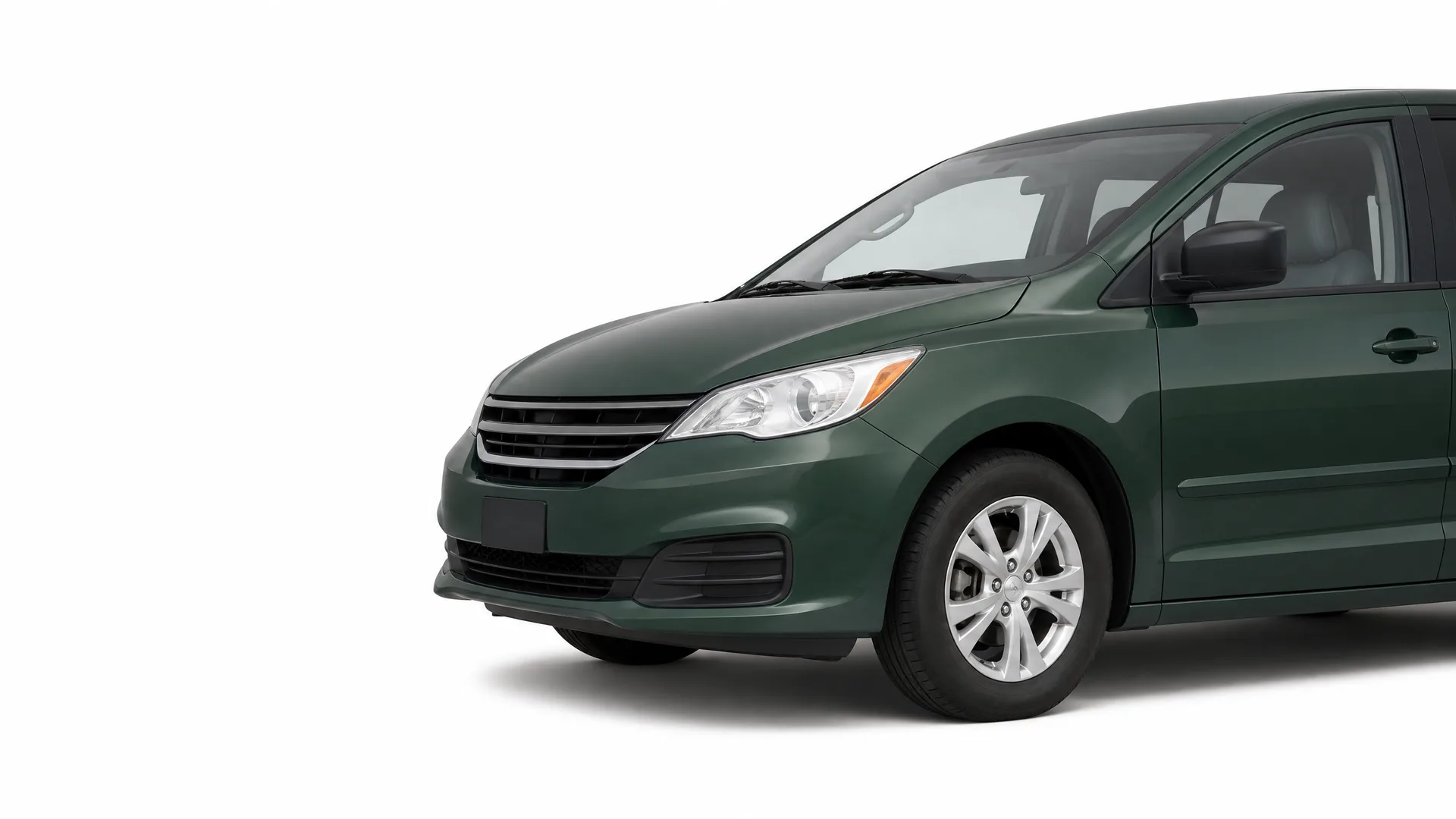
The real decision isn't adding your teen, it's which car they're assigned to drive.
Does it matter which car my teen is listed as the primary driver of?
Yes, it matters a lot. Insurers set part of the premium based on which specific car a driver is tied to, so listing your teen on the oldest, safest, least expensive car on your policy keeps their impact on the bill lower than listing them on a newer or more powerful car. Ask your agent to run the quote both ways so you can see the difference directly before deciding.
Should I buy a separate cheap car just for my teen to drive?
Not necessarily, and it depends on your situation. A separate inexpensive car can lower the insurance cost if it's older and safe, but you're also taking on an extra purchase, maintenance, and registration. Compare the total cost of adding that car plus insuring it against simply assigning your teen to an existing car on the policy, since the cheaper insurance route isn't always the cheaper overall route.
Will my rates go back down once my teen is no longer the primary driver?
Generally yes, rates drop once a teen moves off the household policy or ages into their own, since the youngest, least experienced driver usually has the biggest effect on the household rate. How much it drops depends on your insurer and on your state's rules, so ask your agent for a projected quote as your teen approaches the age they're likely to move to their own policy.