
Is It Hard to Get a Car at 17
At 17, the obstacle usually isn't getting a license, it's paying for the insurance that makes a car legal to drive.
The hard part is cost, not eligibility
A 17-year-old with a valid license can legally own and register a car in most places. Nothing about age 17 specifically blocks ownership the way it might block renting an apartment or signing certain contracts. So the practical barrier isn't legal permission, it's money, and specifically the cost of insuring a driver with so little experience behind the wheel.
Insurers price risk based on data, and newly licensed teen drivers have the least history of any group on the road. Without years of claims-free driving to point to, the insurer treats every 17-year-old as an unknown, and unknowns get priced high. This is true no matter which company you ask, because it reflects actual accident statistics for that age group, not a policy some insurer invented.
What varies is how each state and insurer structures the path around that cost. Some states let a teen be listed on a parent's existing policy at a lower add-on rate than a standalone policy would cost. Some insurers offer discounts tied to good grades, completed driver's education, or low mileage. Whether a teen can title a car in their own name, or needs a parent as co-owner, also differs by state, so check your state's rules before assuming either way.
The cases that go differently usually involve the car itself. A teen driving an older, modestly priced car with high safety ratings and low theft rates will typically face a far smaller cost jump than one driving something sportier or newer. The car you put a 17-year-old into often matters as much as the age itself.
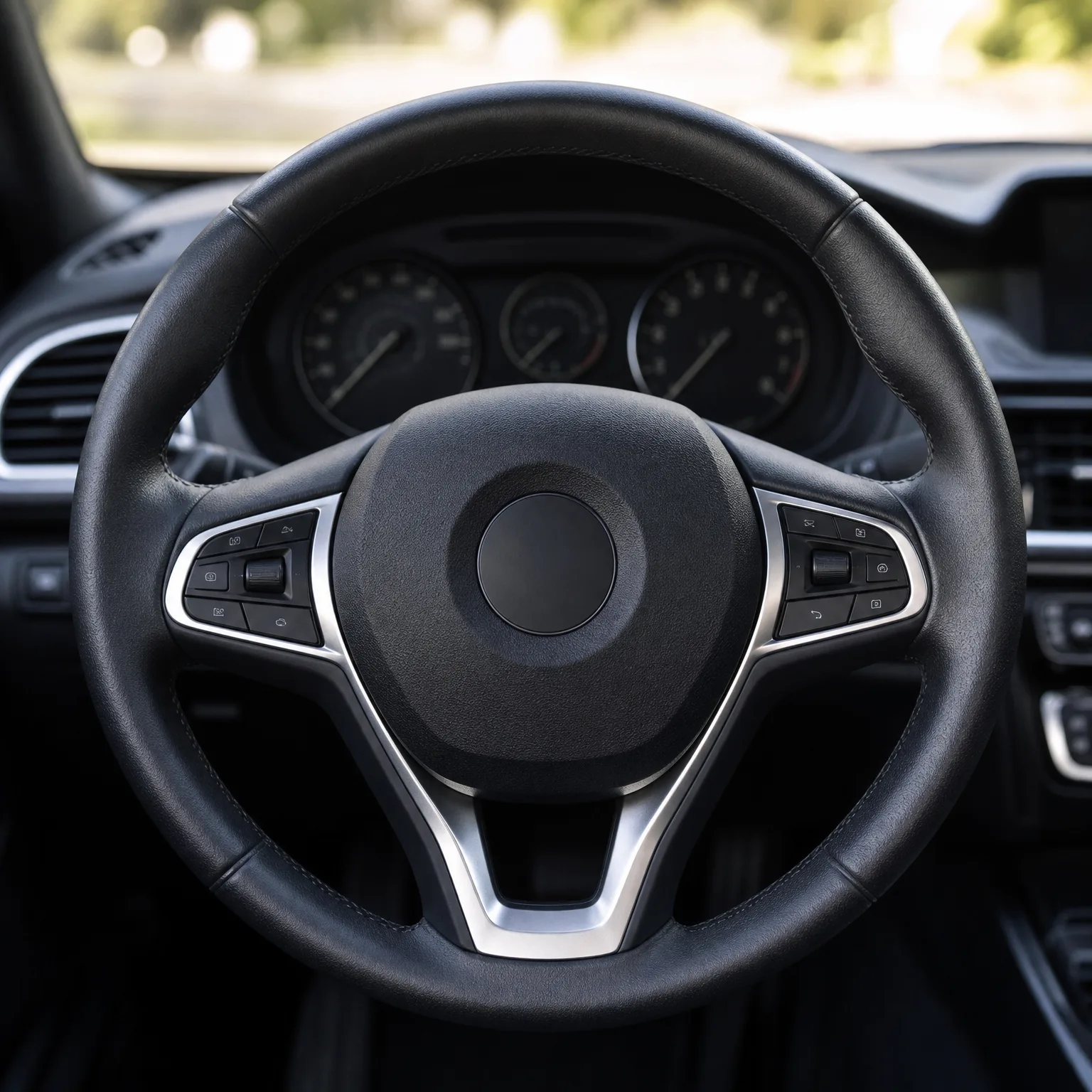
A family adds a car for their newly licensed son
A parent had been planning for their son's license for months and lined up a used sedan, several years old, nothing flashy. When they called their insurer to add him, the quote for the family policy went up by a meaningful amount, enough to make them pause and ask whether buying him a separate car and separate policy would be cheaper. It wasn't. Standalone teen policies are almost always priced higher than adding a teen to an existing family policy, because the family's driving history still counts in the insurer's favor.
They decided to keep him on their policy, put him on the older, safer car instead of a newer one they'd also considered, and asked about discounts for his grades and for completing a driver's ed course. Between the car choice and the discounts, the increase came down to something they could absorb without changing their budget elsewhere. Within a year, with no claims, the renewal quote came in lower than the first one, confirming that the early cost was about inexperience, not a fixed penalty they'd pay forever.

Once you know why the cost is what it is, compare quotes to find out who prices your teen's risk most fairly.
How long until a teen driver's insurance cost comes down?
It starts coming down as soon as they build a clean driving record, and the first real drop usually shows up at the next renewal after a full term with no claims or violations. Insurers reward demonstrated experience more than they reward a single discount or course, so time on the road without incidents is the biggest lever.
The pace of that decrease varies by insurer and by how the teen drives in the meantime. A teen who stays claim-free through the first renewal often sees a noticeable improvement, and the trend continues over the following few years as more history accumulates. A single accident or ticket resets that progress and can keep costs elevated longer, so the behavior in those first years matters more than anything that happened before the license was issued.

The cost is a placeholder price that drops as real driving history replaces the unknown.
Should I put my teen on my policy or get them their own policy?
Keep them on your policy. Adding a teen to an existing family policy is almost always cheaper than a standalone policy in their name, because the insurer factors in your established driving history alongside the teen's inexperience. A separate policy loses that advantage entirely. The main exception is if you no longer live in the same household or the teen owns their car outright with no shared residence, which some states treat differently. Check your state's rules and your insurer's household definition before deciding either way.
Does the type of car affect how much it costs to insure a teen?
Yes, significantly. Insurers weigh the car's safety ratings, repair costs, and theft rates alongside the driver's age, so an older, well-rated sedan will usually cost far less to insure for a teen than a newer or sportier model. This is one of the few parts of the decision fully within your control. Before buying or assigning a car to your teen, check the specific model's insurance cost estimate, not just its purchase price, since the two don't always move together.
Will my teen's first accident or ticket raise rates for the whole family?
Usually yes, since most insurers price the household policy as a whole rather than isolating each driver's record. A teen's violation or at-fault accident typically raises the premium for everyone on the policy at renewal, not just their portion. Some insurers offer accident forgiveness or new-driver leniency programs that soften this, so ask specifically whether yours does. The exact impact depends on the insurer's rules and your state's regulations on how claims affect household rates.