
Is It Illegal to Allow Someone to Borrow Your Car
Letting someone borrow your car is legal, as long as they're a licensed driver and your policy allows it.
Your policy, not the law, decides what happens next
Most car insurance follows the vehicle, not the driver. That's the rule that makes lending your car possible at all. When you hand someone the keys, your policy generally extends to them for that trip, as long as they have your permission and a valid license. The law isn't the obstacle here. The real question is whether your insurer treats that person as an occasional driver or as someone who needed to be on the policy from the start.
Insurers draw a line between someone borrowing your car once in a while and someone who drives it often enough that they've become a regular operator. If your teen's friend borrows it for an afternoon, that's occasional use. If your son's girlfriend uses it most weekends, some insurers expect her listed on your policy. This distinction varies by insurer, so check your policy's language on permissive use and regular drivers before you assume you're covered either way.
What changes the picture isn't legality, it's risk and disclosure. If the person driving isn't licensed, coverage can be denied outright. If they live in your household and you didn't tell your insurer, that omission can come back to hurt you after a claim, not before. Insurers care about accuracy more than they care about who's behind the wheel on any given day.
State rules add another layer worth checking. Some states have specific laws about parents or owners knowingly letting unlicensed or restricted drivers use a vehicle, especially when a minor is involved. None of that makes lending your car illegal by default, but it does mean the details of who's driving and why can matter more than people expect.
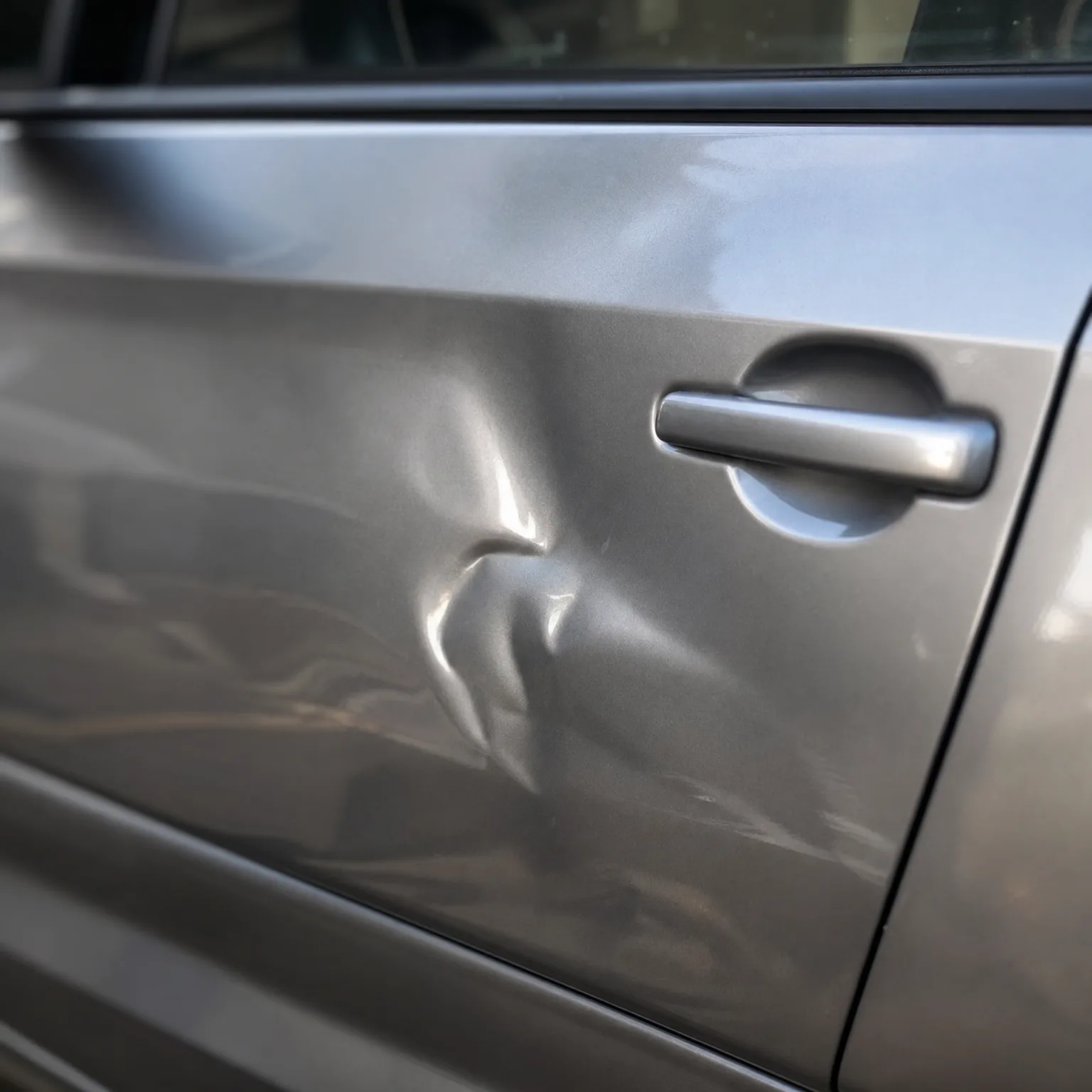
When a teen's friend borrows the car for the weekend
Say your daughter's friend needs a car for a weekend job interview and your daughter offers to lend hers, the one that's technically on your family policy. You check with your insurer first, not because you think it's illegal, but because you want to know if coverage follows the car. It does, since the friend has a valid license and this is a one-time use, not a regular arrangement.
The trip goes fine, but it raises a question you hadn't thought about: what if the friend starts borrowing the car every weekend for a part-time job? That's when you call your insurer again, this time to ask whether frequent use by someone outside your household changes anything. They tell you it might, depending on how often and how predictable the use becomes. You decide that if it turns into a regular thing, you'll either add the friend as an occasional driver or set a clear limit on how often the car gets borrowed. The one-time loan was never the issue. It was the possibility of it becoming routine without anyone updating the policy.
What if the person I lend my car to gets into an accident?
Your insurance is typically the primary coverage, since policies follow the car rather than the driver. That means your policy pays out first, up to your limits, regardless of who was driving, as long as they had permission and a valid license. The driver's own insurance, if they have a separate policy, may kick in afterward if damages exceed what your coverage pays.
This is exactly why lending your car carries real financial weight even though it isn't illegal. An accident involving a borrowed car can affect your rates and your claims history, not the other driver's, unless their own insurer gets involved. Before you lend your car regularly to the same person, especially a teen's friend or partner, it's worth confirming with your insurer how a claim would be handled and whether that person's driving record could affect you directly.
Now that you know what actually counts, compare quotes to find coverage that fits how your family really uses the car.

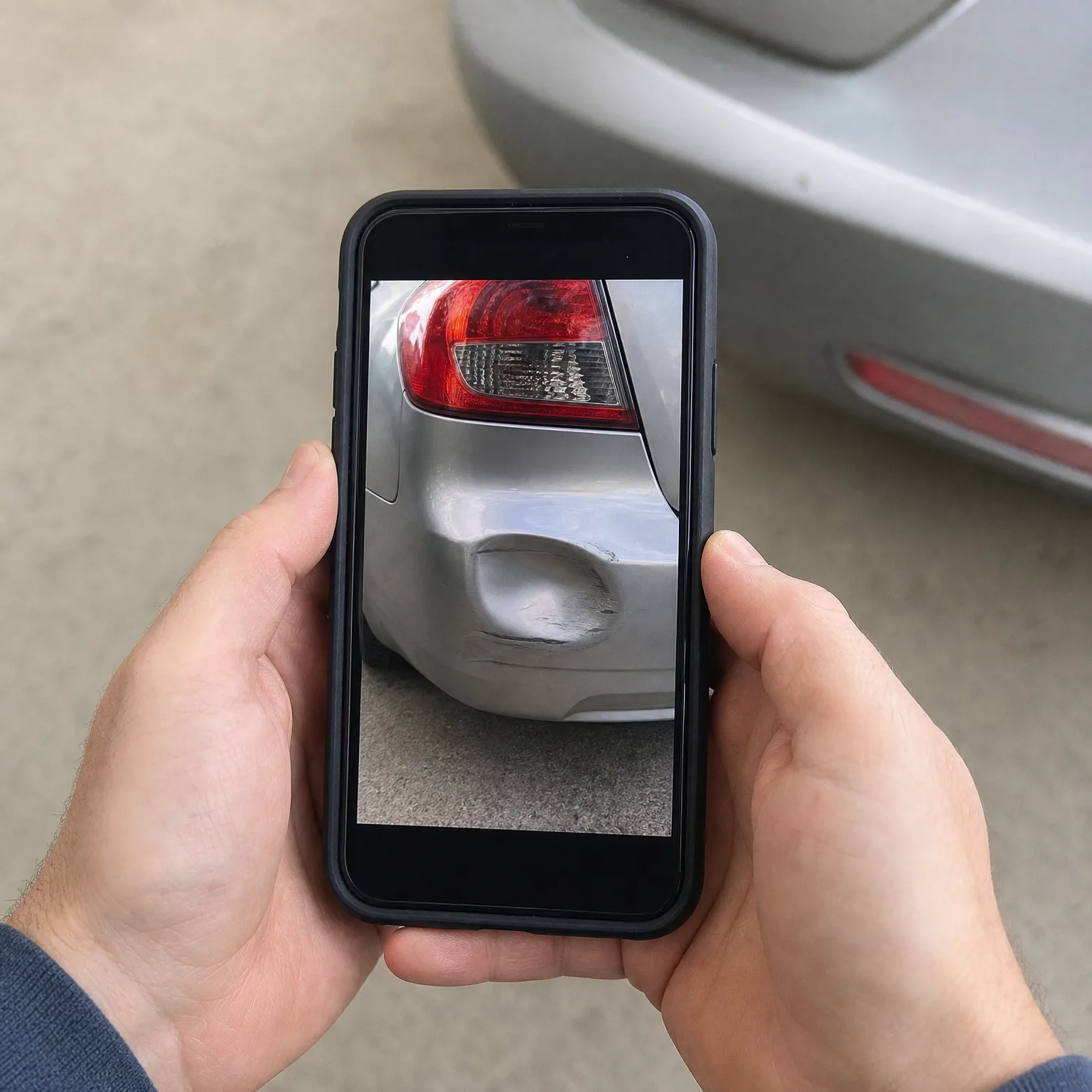
What actually determines your coverage when you lend your car
- Permissive use Most policies cover anyone you give permission to drive, occasionally. Confirm this is in your policy before assuming a borrowed trip is automatically covered.
- Regular vs. occasional driver Frequent borrowers may need to be listed on your policy. Ask your insurer where that line falls so a casual favor doesn't turn into a coverage gap.
- Licensing matters most An unlicensed or improperly licensed driver can void coverage entirely. Always confirm the person borrowing your car has a valid license first.
- Household drivers get flagged Anyone living with you who drives regularly usually needs to be disclosed. Leaving them off can cause problems at claim time, not before.
- State rules on minors differ Some states hold owners responsible for knowingly letting unlicensed or restricted teens drive. Check your state's specific language if a minor is involved.

The risk isn't legality. It's lending your car without knowing what your policy covers.