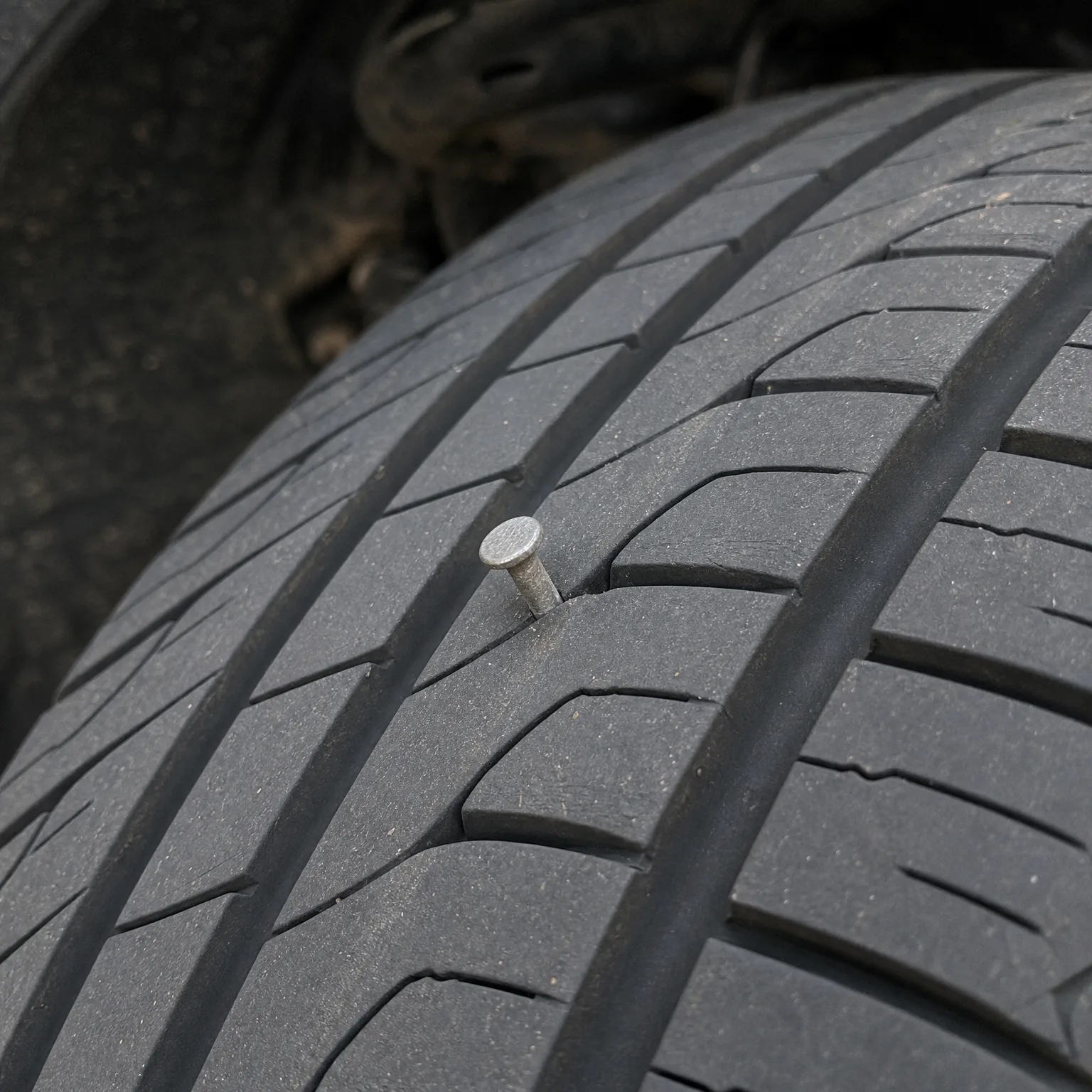
Is It Smart to Lease a Car as a College Student
For most college students a lease costs more and bends less than ownership does, because leases assume a stability student life rarely has.

A student who almost signed a lease for a nearby job
A junior living off campus needed a car to get to a part-time job across town. A dealer offered a lease with a low monthly payment, and it looked easy next to the sticker price of a used car. But the lease came with a mileage cap that didn't account for daily round trips, plus insurance requirements that cost more than the student expected to carry as a new policyholder living away from a parent's address.
The student ran the numbers on a modest used car instead, paid for in part with savings and a small loan. The monthly cost ended up close to the lease payment, but there was no mileage limit, no penalty for normal wear, and the option to sell the car later if plans changed. When the job ended after a year and the student transferred schools, the car went with them with no lease to break and no early termination fee to pay.

The short version
Leasing usually isn't smart for college students because leases assume a stable address, steady income, and predictable driving. A used car bought outright or with a small loan almost always costs less and leaves you free to move or sell it. If you need a car, shop ownership first.
What if I can't afford to buy a car outright right now?
Then wait, borrow a smaller amount, or buy a cheaper used car rather than leasing to lower the monthly number. A lease's low payment is covering a shorter-term, more flexible arrangement for the dealer, not doing you a favor. It often costs more per mile of actual use once you add in mileage limits and insurance.
If your budget is tight, look at older, paid-off vehicles from family or private sellers, or a small loan on a modest car with a long enough warranty left to avoid surprise repairs. Going without a car for a semester while you save is usually cheaper than a lease with fees attached. Treat any car payment as a serious ongoing cost, not a quick-fix number to minimize.
Once ownership looks like the better fit, compare insurance quotes for the car you're actually planning to get.
Why ownership usually beats leasing for students
Leases are built around predictability. The leasing company wants a driver with a stable address, steady insurance history, and mileage that falls within a set range, because the car has to come back in good condition and get leased again or sold. College life rarely matches that pattern. You might move for an internship, go home for a summer, switch schools, or stop needing a car altogether, and a lease doesn't bend for any of that.
Insurance adds another layer. Leasing companies typically require higher coverage limits than state minimums, and insurers price new, inexperienced drivers higher to begin with. Combine a required coverage level with a young driver's rate and the monthly cost of carrying a leased car is often higher than what the lease payment alone suggests.
Ownership doesn't erase these costs, but it gives you control over them. You can choose an older car, carry less coverage within legal limits, drive as much or as little as you want, and sell whenever your situation changes. The flexibility matters more at this stage of life than it will later, when your address and income are more settled.
There are exceptions. A student with a long, predictable commute to the same job or program for several years, steady income, and a preference for always having a newer car under warranty might find a lease workable. But that's a narrow case, and it depends on knowing your situation won't shift much, something few college students can say with confidence.
A lease bets your life stays put for years. In college, that bet rarely pays off.
Can I even get approved for a car lease as a student?
Usually not on your own, because lease approval typically requires proof of steady income and an established credit history, which most students don't have yet. Many students who do lease need a parent to co-sign or be the primary name on the agreement. If that's the only way to get one, it's worth asking whether the parent would rather co-sign a loan on a used car instead, since that usually costs less overall and still builds your credit.
Should I add my college car to my parents' insurance or get my own policy?
It depends on your address and your state's rules, so check with the insurer directly. Staying on a parent's policy is often cheaper while you're a dependent and the car is garaged part of the year at their address. Once you have a steady income, your own address long-term, and a car titled in your name, a separate policy may make more sense. Ask what changes if you're away at school most of the year.
What happens to a lease if I need to drop out or transfer schools?
You're still bound by the lease terms regardless of what happens with school, and ending it early usually means a real penalty. Leases don't have a built-in exception for changed plans. Before signing anything, check the early termination terms specifically, including any fee amount and whether the lease can be transferred to someone else, since that flexibility varies a lot between leasing companies.