Should I Admit Fault if I Hit a Parked Car
No, don't admit fault out loud or in writing, just exchange facts and let the claims process sort out responsibility.
Fault gets decided by evidence, not by what you say at the scene
Insurance companies determine fault by looking at damage, location, witness statements, and sometimes police reports. What you say in the moment isn't a legal finding, but it can still shape the story everyone tells later. If you say "this was all my fault" and it turns out the parked car was blocking a fire lane or parked illegally, you've made your own claim harder to argue.
That's different from leaving the scene or failing to tell the owner what happened. Every state requires you to make a reasonable effort to find the owner or leave information if you hit a parked, unattended vehicle. Skipping that step is a much bigger problem than anything you might say about fault, and in some places it's treated as a hit and run.
The honest move is to describe what happened factually. Say what you saw, what you did, and leave your name and insurance information. Let the adjusters compare the facts against policy language and local law. In most parked car cases the facts are simple enough that fault isn't really in dispute anyway, so the worry about admitting it out loud matters less than people think.
Where this gets more complicated is when the damage is unclear, when there's a dispute about where the parked car was sitting, or when more than one driver's movement is involved. In those cases, stick to facts, take photos, and let your insurer handle the determination. What you check depends on your state's reporting requirements for unattended vehicle damage, since some set specific timelines or require a note left on the windshield.
A dented bumper in a grocery store lot
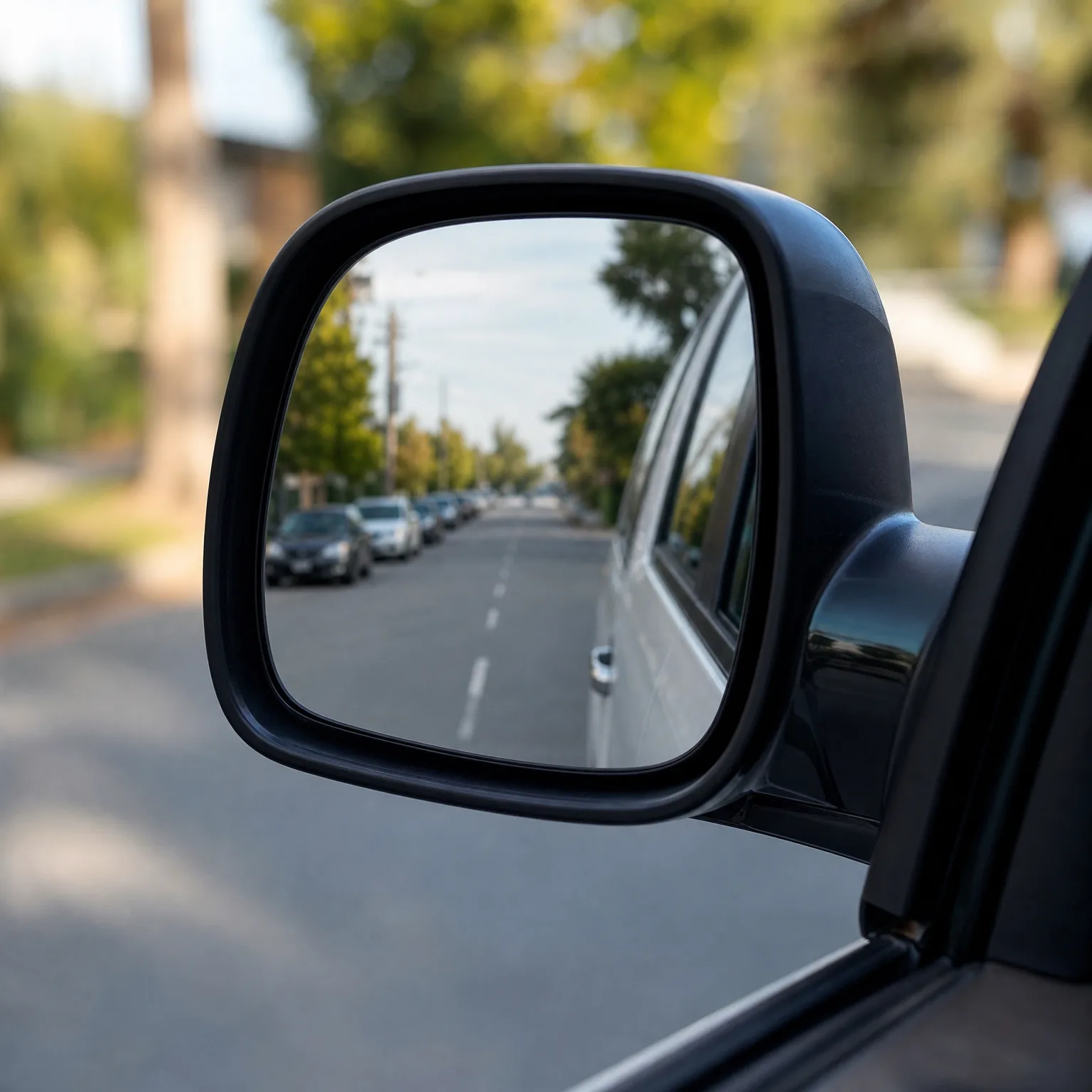
You're backing out of a tight spot and clip the bumper of a parked car next to you. No one's around. You get out, look at the damage, and see a small dent and scuffed paint. Your first instinct is to leave a note apologizing and saying it was entirely your fault, but instead you write down just the facts, your name, phone number, and insurance information, along with a short description of what happened.
The owner calls that evening, upset but reasonable. You file a claim with your insurer, who sends an adjuster to look at both cars. The damage pattern is obvious, the dent lines up with your bumper, and there's no real dispute. Your insurer covers the repair under your property damage liability coverage. Because you didn't leave the scene and didn't need to argue about fault, the whole thing moves quickly. The note you left, with just the facts, did exactly what it needed to do.
Will my insurance rates go up if I hit a parked car?
Probably, if you file a claim and your insurer determines you were at fault, which is almost always the case in parked car incidents since the other vehicle wasn't moving. Rate increases after an at fault claim are common practice across insurers, though how much and for how long varies by company and by state.
Some drivers have accident forgiveness built into their policy, which can prevent a first at fault claim from raising rates at all. If the repair cost is small, you can also consider paying out of pocket instead of filing a claim, especially if your deductible would eat up most of the payout anyway. What changes the answer most is the size of the damage and whether this is your first claim in a while.
Now that you know how fault works here, compare quotes to see how a parked car claim would affect your rate.

Should you leave a note with your information
If you do
You leave your name, phone number, and insurance details on the windshield. The owner contacts you, you file a claim together, and the process moves smoothly since you've already met your legal obligation. Your insurer sees a cooperative driver, which can matter if anything about the claim is ever questioned later.
If you don't
You drive off without leaving information. If the owner reports it and any evidence points to you, such as a witness or a security camera, you could face a hit and run charge even though no one was in the other car. That turns a simple property claim into a legal problem with real penalties.
Do I have to call the police for a parked car accident?
In many places you don't have to call unless the damage is significant, but check your local requirement since some jurisdictions mandate a report for any damage over a certain threshold. Calling creates an official record, which can help if the owner disputes what happened later. If you can't find the owner after a reasonable effort, reporting to police often becomes your next step instead of just leaving a note.
What happens if I can't find the owner of the car I hit?
You're expected to make a genuine effort first, like waiting a reasonable amount of time or asking nearby businesses if anyone knows the owner. If that fails, leaving a visible note with your contact information is the standard approach almost everywhere. Some areas also want you to report it to local police when you can't locate the owner, so check what your state expects in that situation.
Can the other person's insurance claim against me if I already paid them directly?
Usually not, if you both agreed to handle it privately and got that agreement in writing with signatures from each side. Without written confirmation, the owner could still file a claim later, especially if hidden damage turns up. If you pay out of pocket, get a signed release stating the payment settles the matter fully before you consider it closed.
What you say matters less than whether you report it and leave your information.