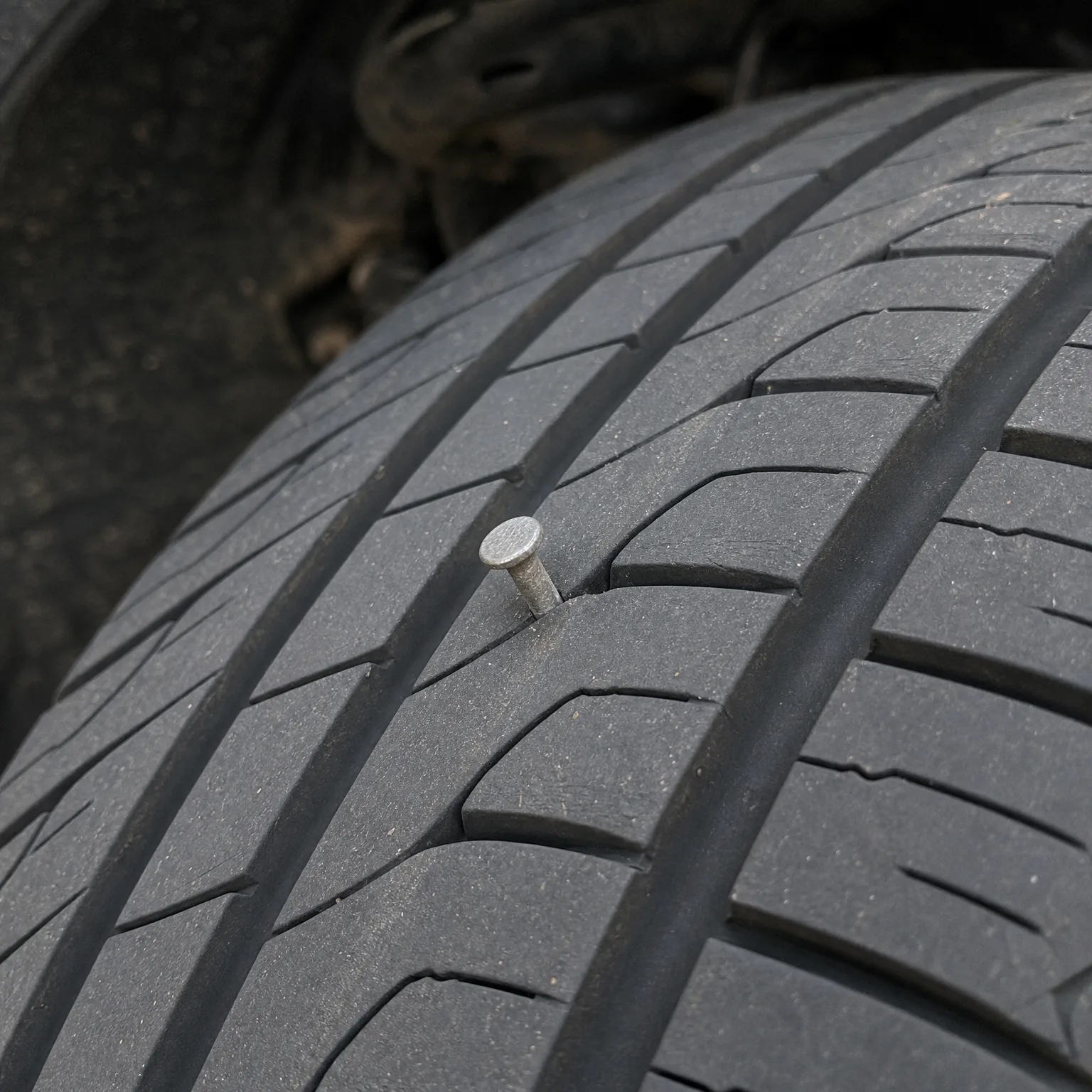
Should My Auto Insurance Go Down After Loan Payoff
Your insurance can go down after payoff, but only the part tied to the lender's coverage requirements, not your rate itself.
The loan didn't set your rate, it set your coverage requirements
A lender never priced your policy. What it did was require you to carry certain coverages, usually comprehensive and collision, plus a higher deductible limit and sometimes gap coverage, so their investment in the car was protected if you crashed or it was stolen. Once the loan is gone, that requirement disappears. You're free to drop those coverages or raise your deductible, and that's where the savings actually come from.
Your base rate, the part tied to your driving record, your age, where you live, and how much you drive, doesn't move just because you paid off a loan. That piece of the bill was never connected to the lender at all. So if you call expecting the whole premium to drop, you'll be disappointed unless you also change the coverage itself.
This is why two people who pay off identical loans can see very different results. One drops comprehensive and collision entirely because the car is old and not worth much, and their bill falls sharply. Another keeps full coverage because the car still has real value, and their bill barely moves, maybe a small decrease from raising a deductible.
What you should check is your state's rules on minimum coverage and your insurer's rules on how deductibles affect pricing. Both vary, and both determine how much room you actually have to save once the lender is out of the picture.
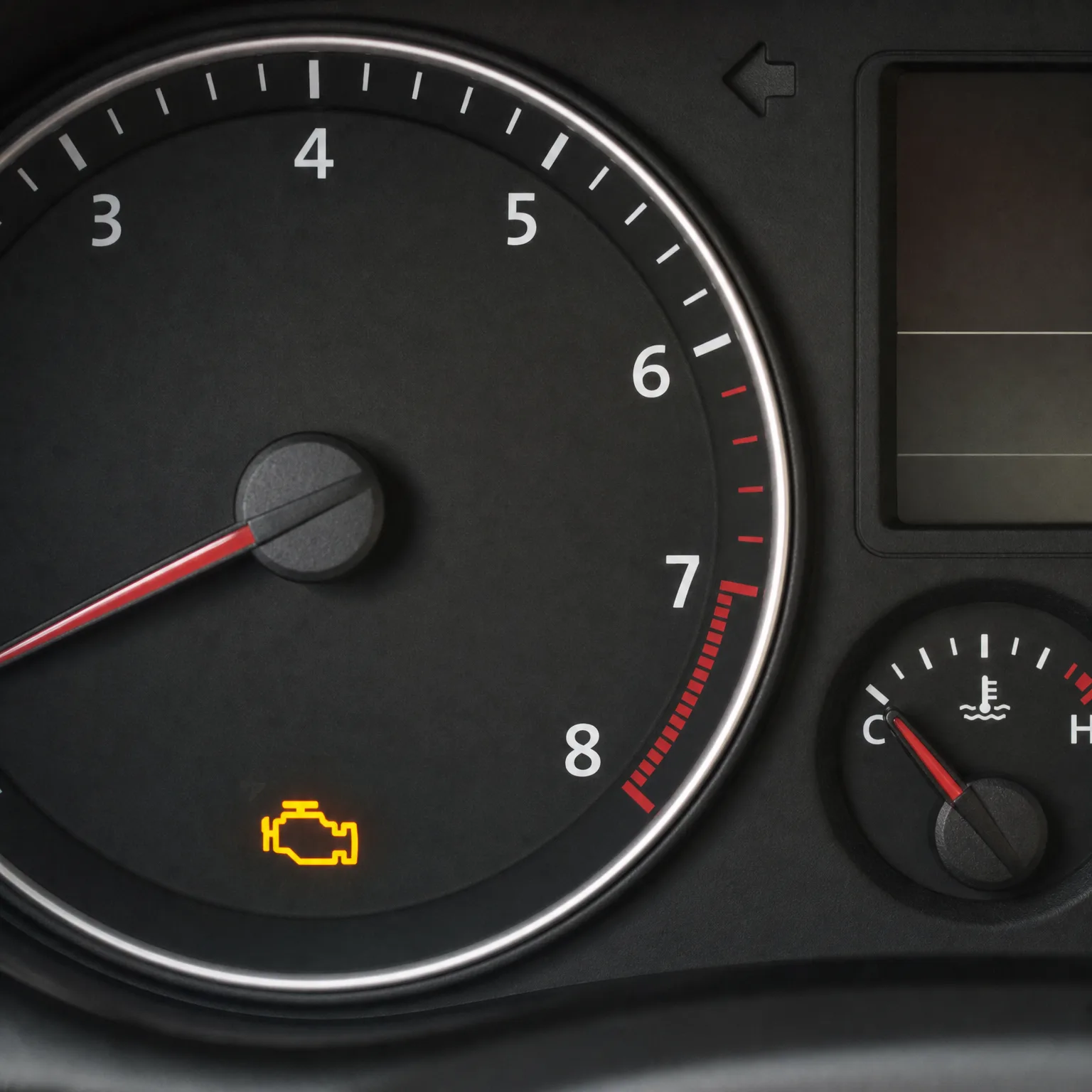
What changes once the loan is paid off
- Lender rules end You no longer have to carry comprehensive, collision, or gap coverage at the lender's required levels. Decide what you actually want based on the car's value, not what was mandated.
- Gap coverage stops mattering Gap coverage protected the loan balance, not you. Once there's no loan, drop it, since there's nothing left for it to cover.
- Deductibles are now yours Lenders often capped how high your deductible could be. Now you can raise it if you want lower premiums and can cover more out of pocket after a claim.
- Dropping coverage has risk If you drop comprehensive and collision, you pay fully out of pocket for damage to your own car. Weigh the car's value against what you'd lose if it was totaled tomorrow.
- Your rate stays separate Your driving record, age, and mileage still set your base premium. Payoff alone won't touch that part of the bill.
The payoff doesn't lower your rate, it just gives you permission to change your coverage.
Once you know which coverage to keep and which to drop, compare quotes to see what that decision saves.

Dropping comprehensive and collision after payoff
If you do
You stop paying for coverage on a car that may not be worth much anymore. Your premium drops, sometimes significantly. But if the car is stolen, totaled, or badly damaged, you pay for repairs or replacement yourself, since there's no coverage to file a claim against.
If you don't
Your premium stays about the same as when the loan was active. You keep protection against theft, weather damage, and at-fault collision costs. For a car that still has meaningful value, this is often worth the extra cost, especially if replacing it would be hard right now.
A parent finishes paying off the car their teen now drives
A parent had been paying off a sedan for years, carrying comprehensive and collision because the lender required it. Once the loan was paid off, the renewal notice arrived, and the premium hadn't moved. Confused, they called their insurer and learned the loan payoff doesn't do anything automatically. They had to actively ask to change coverage.
The car was seven years old and now the primary car their teen drove to school and work. They decided the car's value was low enough that comprehensive and collision no longer made sense, especially stacked on top of the already higher cost of insuring a teen driver. They dropped both, kept liability at solid limits since that protected them from lawsuits in an at-fault accident, and raised their deductible on the remaining coverage. The premium dropped by a noticeable amount, not because the loan was gone, but because they'd finally matched the coverage to what the car was actually worth. They kept the savings and used part of it to offset the cost of insuring their teen instead.
Does paying off my car loan cancel my insurance automatically?
No, paying off a loan never cancels or changes your insurance automatically. Your policy stays exactly as it was until you contact your insurer and request specific changes, like dropping comprehensive and collision or adjusting your deductible. If you don't call, you'll keep paying for coverage you may no longer need, so payoff is the moment to review your policy, not wait for it to update itself.
Should I drop full coverage once my car is paid off?
It depends on what the car is worth and what you could afford to replace it with out of pocket. If the car is old or worth little, dropping comprehensive and collision often makes sense since you'd be paying premiums that could exceed a potential payout. If the car still has real value or would be hard to replace, keeping full coverage protects you from a major unplanned expense. Check your car's current value before deciding either way.
Will removing gap insurance affect my rate much?
Usually not by a large amount, since gap coverage is typically a small add-on cost compared to your base premium. But it's still worth dropping once the loan is gone, because gap coverage only pays the difference between what you owe and what the car is worth, and with no loan, there's no gap left to cover. Removing it is a small but easy win once payoff happens.