Tips for Teaching My Teen to Drive Safely
Teach in layers, starting with low-risk driving and adding difficulty only once each skill is solid.
Why the order you teach in matters as much as the hours
A new driver's brain hasn't yet built the automatic reflexes that experienced drivers rely on without thinking. Every skill, checking mirrors, judging a gap, reacting to brake lights, has to be learned deliberately before it becomes instinct. If you throw a teen into high-difficulty situations before the basics are automatic, they're spending all their mental effort just keeping the car on the road, with nothing left over to handle a surprise.
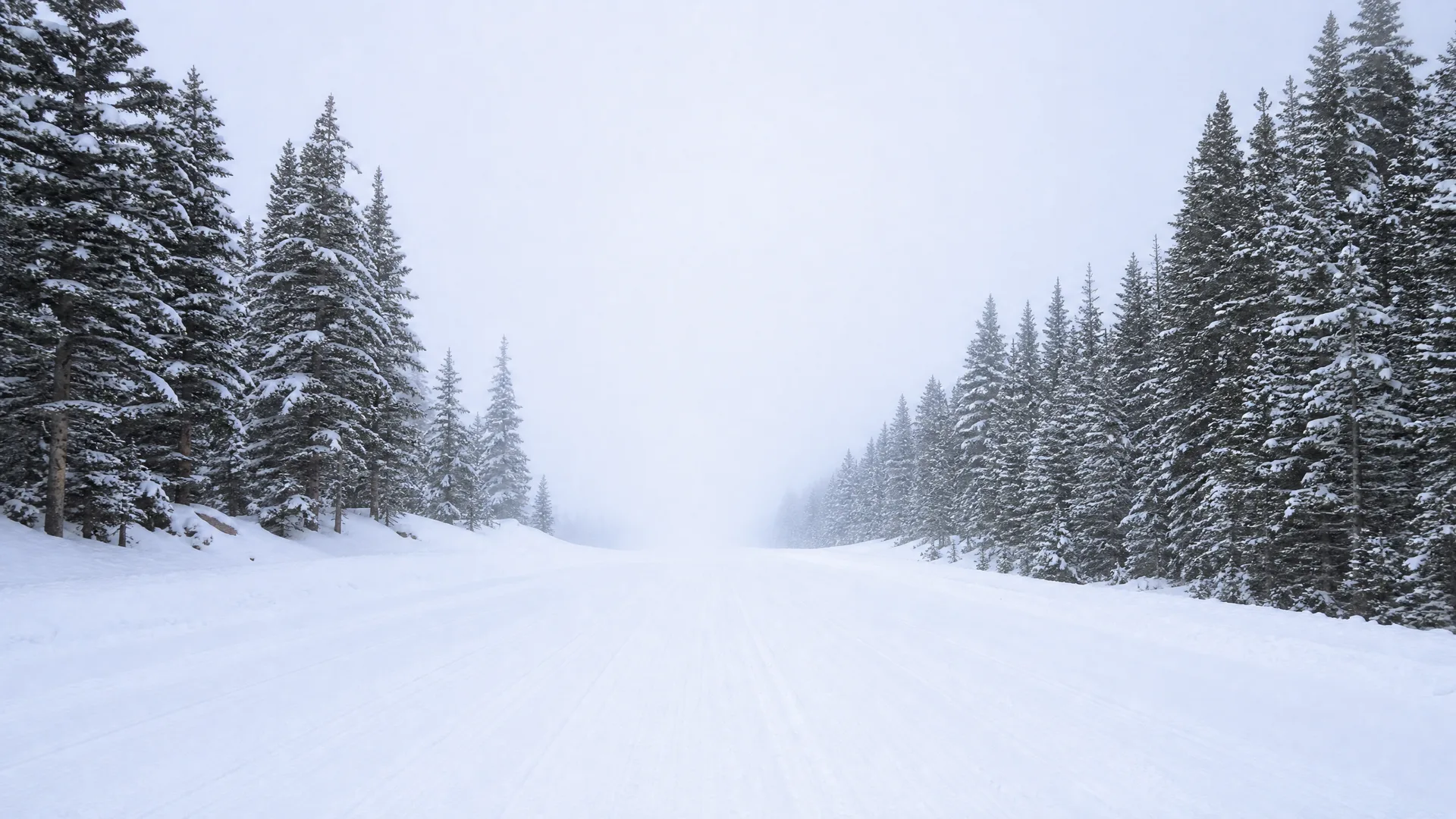
This is why the standard advice is to sequence practice from easy to hard. Start in empty lots or quiet neighborhoods, move to wider local roads, then add traffic, then add night driving, bad weather, and highways, each as its own separate lesson rather than all at once. A teen who's only ever driven in daylight on dry roads hasn't actually learned to drive in rain or in the dark, those are different skills that need their own practice.
Supervised hours matter more than calendar time. A permit held for a long stretch with little actual driving teaches less than fewer months with frequent, varied practice. What counts is exposure to different conditions while someone experienced is still there to coach and correct. This is also why most states set minimum supervised hours before a license, though the required number and the required mix of day and night driving varies, so check what your state requires.
Where teens differ is temperament and prior exposure. A teen who's ridden along on long drives for years already has a feel for traffic rhythm that someone starting from zero doesn't. Adjust your pace to the teen in front of you, not to a fixed calendar, and don't rush past a skill just because they're eager to move on.
What actually builds a safe driver
- Start in low-stakes places Empty parking lots and quiet streets let them learn car control without traffic adding pressure. Don't move to busier roads until steering, braking, and parking feel automatic.
- Separate the hard conditions Night driving, rain, and highway merging are each their own skill, not just 'driving but harder.' Practice each one deliberately with you there, rather than hoping it transfers.
- Narrate your own driving Say out loud what you're checking and why as you drive them places. This gives them a model for the judgment calls that don't show up in a manual.
- Allow small mistakes early A supervised drift out of a lane or a late brake is a lesson. Correct calmly and explain what to watch for next time, so the first time it happens alone isn't a surprise.
- Put the agreement in writing A simple written contract on when, where, and under what conditions they can drive sets expectations clearly. Revisit and loosen it as they prove themselves over time.
Whether you ride along for the first solo-feeling drives
If you do
You get a window into how they actually handle pressure, merges, and mistakes before it's unsupervised. You can coach in the moment instead of hearing about a close call after the fact. It costs you time, but it's time that directly reduces risk once they're driving alone.
If you don't
They'll face their first real traffic, night drive, or highway merge without anyone to catch an error before it becomes a habit. Some teens handle this fine. Others build workarounds or bad instincts that are harder to unlearn once they're licensed and driving solo.
Once you've got a practice plan for your teen, compare quotes to see how that plan can translate into lower cost.
A parent who skipped ahead to highway driving
One parent, eager to get the permit hours done before a looming deadline, had their teen merge onto a highway in the second week of practice, before any real local-road or traffic experience. The teen froze at the merge point, slowed instead of matching speed, and the parent had to grab the wheel to avoid a collision. It rattled both of them enough that they stopped highway practice entirely for a month.
They went back to basics, quiet roads, then busier local streets with stop-and-go traffic, then controlled highway on-ramps during low-traffic hours before trying a full merge again. By the time the teen attempted a highway merge the second time, judging gaps and matching speed felt almost routine, because the smaller skills underneath it were already solid. The parent's main regret wasn't the scare itself, but skipping straight to the hardest skill before the easier ones were automatic.
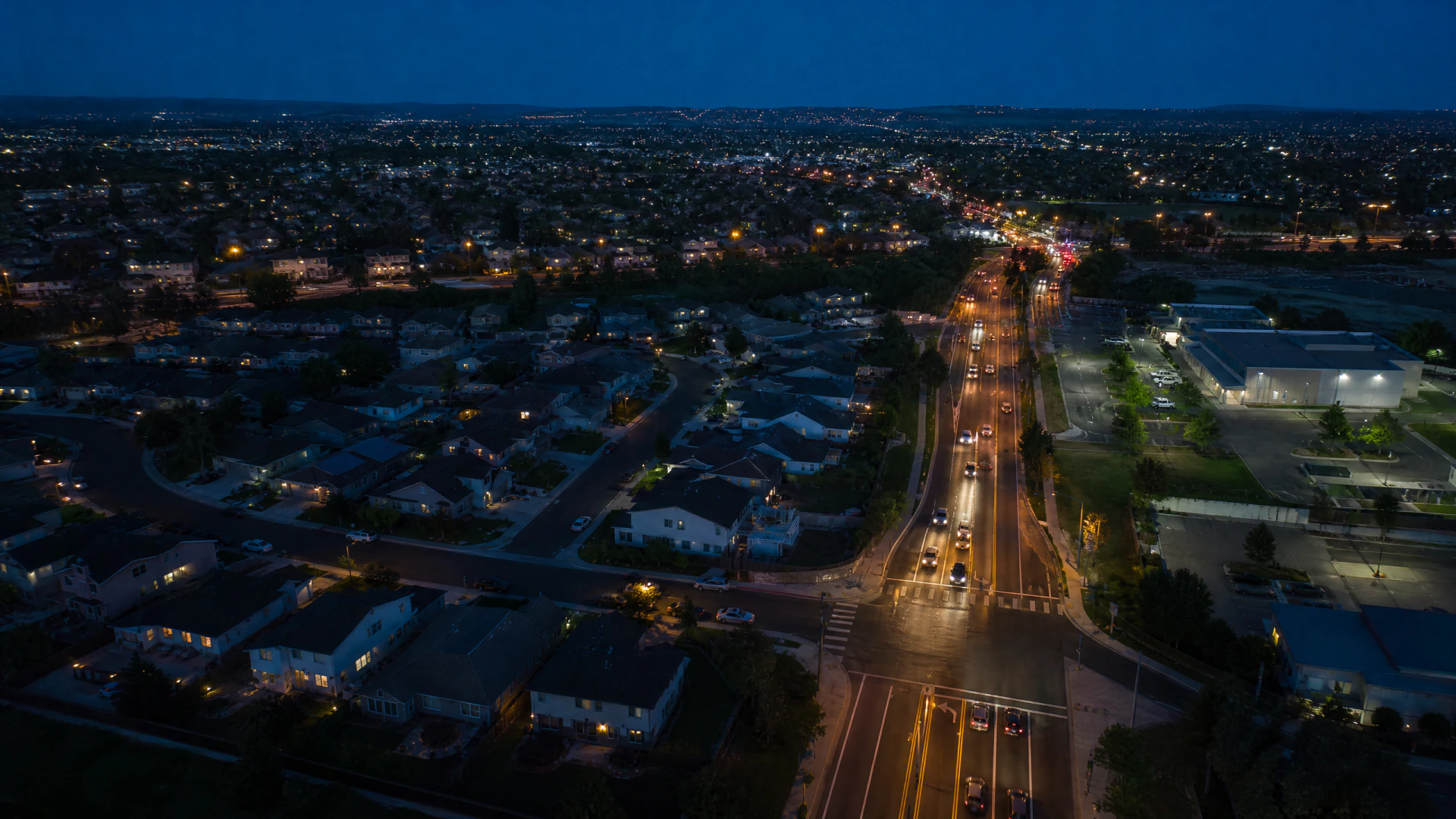
When is my teen actually ready to drive alone?
Readiness isn't about hours logged or a calendar date, it's about whether they can handle a surprise without you there to catch it. If they're still visibly working hard to manage basic car control, checking mirrors late, braking too hard, drifting in the lane, they're not ready for solo driving yet regardless of how many supervised hours they've completed.
A better test than time is variety. Have they driven in rain, in the dark, in heavy traffic, and on a highway, each with you present and each going smoothly without your intervention? If yes across the board, they've likely built the automatic reflexes that let them handle a surprise on their own. If there's a condition they haven't faced yet, that's the gap to close before handing over the keys unsupervised, not something to discover the first time it happens alone.