What Are 5 Signs of Driver Fatigue
Heavy eyes, lane drifting, missed turns, slow reactions, and lost time are the five signs, and any one means it's time to stop.
Why these five signs show up before a driver realizes they're tired
Fatigue doesn't arrive all at once. It builds quietly, and the body starts compensating before the mind admits anything is wrong. That's why the signs tend to show up in behavior before they show up in how someone feels. A driver who insists they're fine may still be drifting out of their lane or blinking longer than normal, because the brain is already losing the fight to stay alert.
The five signs cluster around the same underlying problem, which is that attention and reaction time degrade long before a person falls asleep. Heavy eyelids and yawning are the most obvious, but drifting within the lane or missing a turn signals that steering has become less precise, something that happens as micro-sleeps start creeping in. Missing an exit or losing track of the last few minutes of driving is especially telling, because it means attention checked out even while the body kept driving.
For a new driver, these signs can be harder to catch than they are for someone with years of experience. A teen hasn't yet built the internal sense of what their own fatigue feels like behind the wheel, so they're more likely to misread tiredness as boredom or to push through it because they don't want to admit they need to stop. This is also why fatigue and inexperience combine into a worse problem than either one alone.
Where this plays out differently is time of day and trip length. Late-night drives, early morning drives, and long highway stretches are when these signs appear fastest, because the body's natural rhythms are already working against alertness. Short daytime trips carry less risk, but fatigue can still show up after a late practice, a long day, or poor sleep the night before.
A late drive home from practice that almost went wrong
A teen drives home after a late evening practice, tired from the day but confident the short drive home is no big deal. A few minutes in, they catch themselves blinking slower than usual and realize they've drifted slightly toward the center line without meaning to. They open the window for air and turn the radio up, treating it as enough to push through the last stretch.
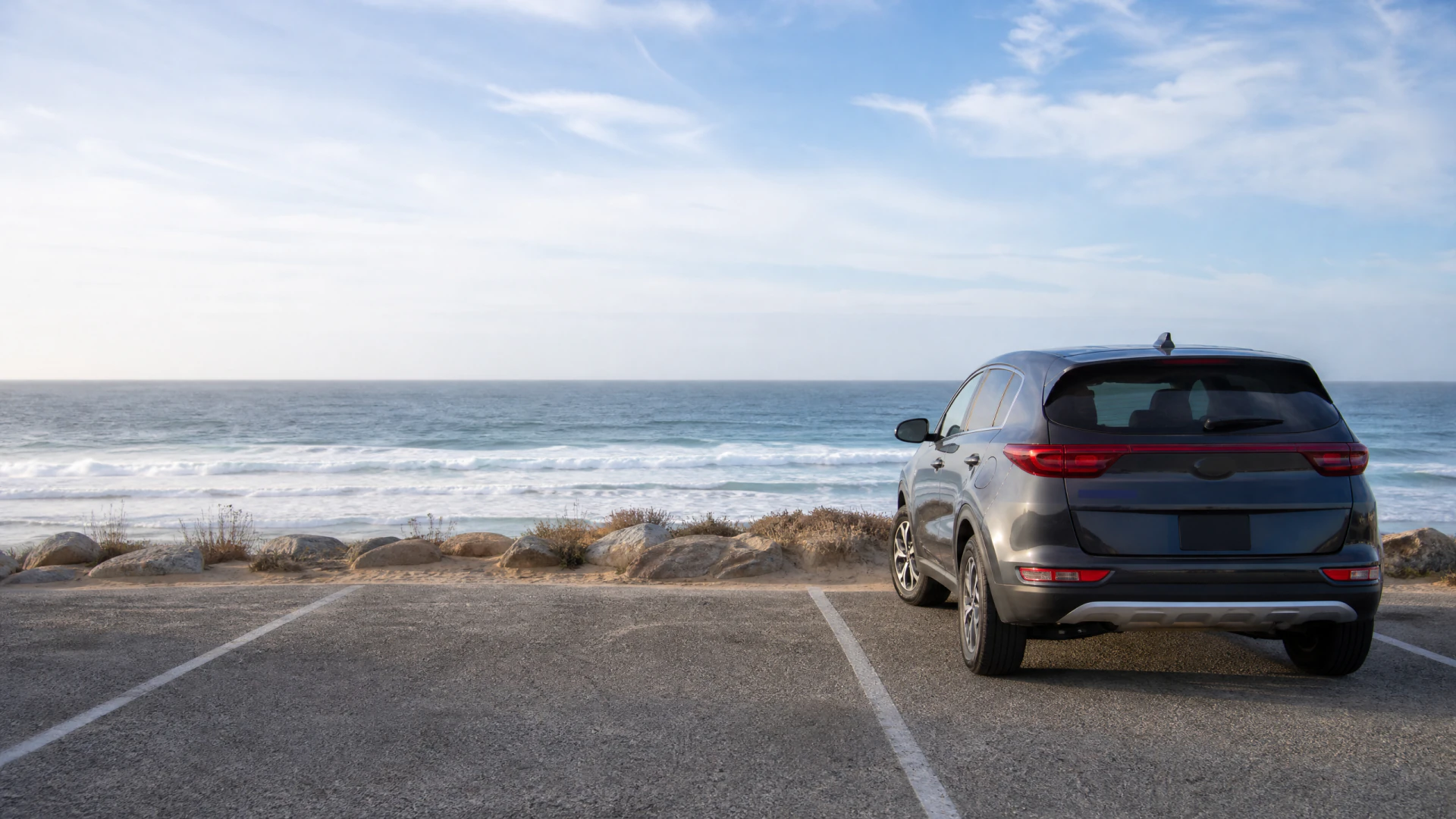
A minute later they miss their usual turn, something that's never happened before, and that's the moment it clicks that this isn't ordinary tiredness. They pull into a parking lot, call a parent, and wait a few minutes before continuing, choosing to finish the last mile instead of risking it. When they get home and talk it through, the lesson that sticks isn't the mistake itself, but how quickly the signs appeared and how easy it was to downplay them in the moment.

Pulling over at the first sign versus pushing through
If you do
You pull over, rest, or call someone before continuing. The short delay costs a few minutes but keeps reaction time and judgment intact for the rest of the drive. Over time, this becomes the instinct that keeps a tired driver from ever testing how far they can push it.
If you don't
You keep driving and hope the next few minutes feel better. Reaction time keeps slipping, attention lapses get longer, and a missed exit or lane drift can turn into something worse before the driver even registers what happened.
Once you know how to spot fatigue early, compare quotes with that peace of mind already settled.
The five signs to watch for and what to do about each one
- Heavy eyelids or yawning This is the clearest early sign and usually the first one to appear. Treat it as a hard stop signal, not something to push through with music or fresh air.
- Drifting lane position Small, unintentional movements toward lines or shoulders mean steering precision is already slipping. Pull over as soon as it's safe rather than waiting to see if it happens again.
- Missing a turn or exit Losing track of a familiar route means attention checked out briefly without the driver noticing. This is a sign the drive needs to pause, not just slow down.
- Slower reaction to events Braking later than usual or noticing hazards later than normal means response time has already dropped. Rest before continuing, since this gap tends to widen rather than correct itself.
- Losing track of recent minutes Not remembering the last stretch of road is one of the clearest signs of micro-sleep. Stop immediately and don't continue until alert, even if the destination is close.
How long should a tired driver rest before continuing the drive?
There's no fixed number that works for everyone, so the real answer is to rest until the signs are gone, not for a set amount of time. A short break can help with mild tiredness, but if heavy eyelids, drifting, or slowed reactions return soon after starting again, that's a sign the rest wasn't enough.
For a new driver especially, it's worth treating any return of these signs as a reason to stop again rather than push through, since recognizing fatigue is still a developing skill. In some cases the safest option isn't a short break at all, but switching drivers or ending the drive early and continuing later. What matters most is matching the length of the rest to how the driver actually feels afterward, not to how far they still have to go.