What Are 5 Tips for Driving at Night
Slow down, scan ahead, keep the windshield clean, manage glare, and skip driving tired, since night punishes small mistakes harder.
Five habits that make night driving safer
- Slow down more than feels needed Headlights only show so far ahead, so speed limits that feel right in daylight can outrun your visibility at night. Ease off, especially on roads you don't know well.
- Look past your headlights Scan the edges of the road, not just the lit patch in front of you, to catch animals, pedestrians, or stopped cars sooner. Keep eyes moving instead of fixed on one spot.
- Keep the windshield spotless A smudged or streaky windshield scatters oncoming headlights into a glare that hides hazards. Clean it inside and out before any night drive, not just when it looks dirty.
- Handle glare, don't fight it Look toward the right edge of your lane when a car approaches with bright lights, instead of staring at them. Get your eyes checked if glare feels worse than it used to.
- Don't drive drowsy Night driving and tiredness combine badly, because your body wants sleep right when visibility is already lower. Pull over and rest, or trade off driving, rather than pushing through.
A teen's first long night drive home from a friend's house
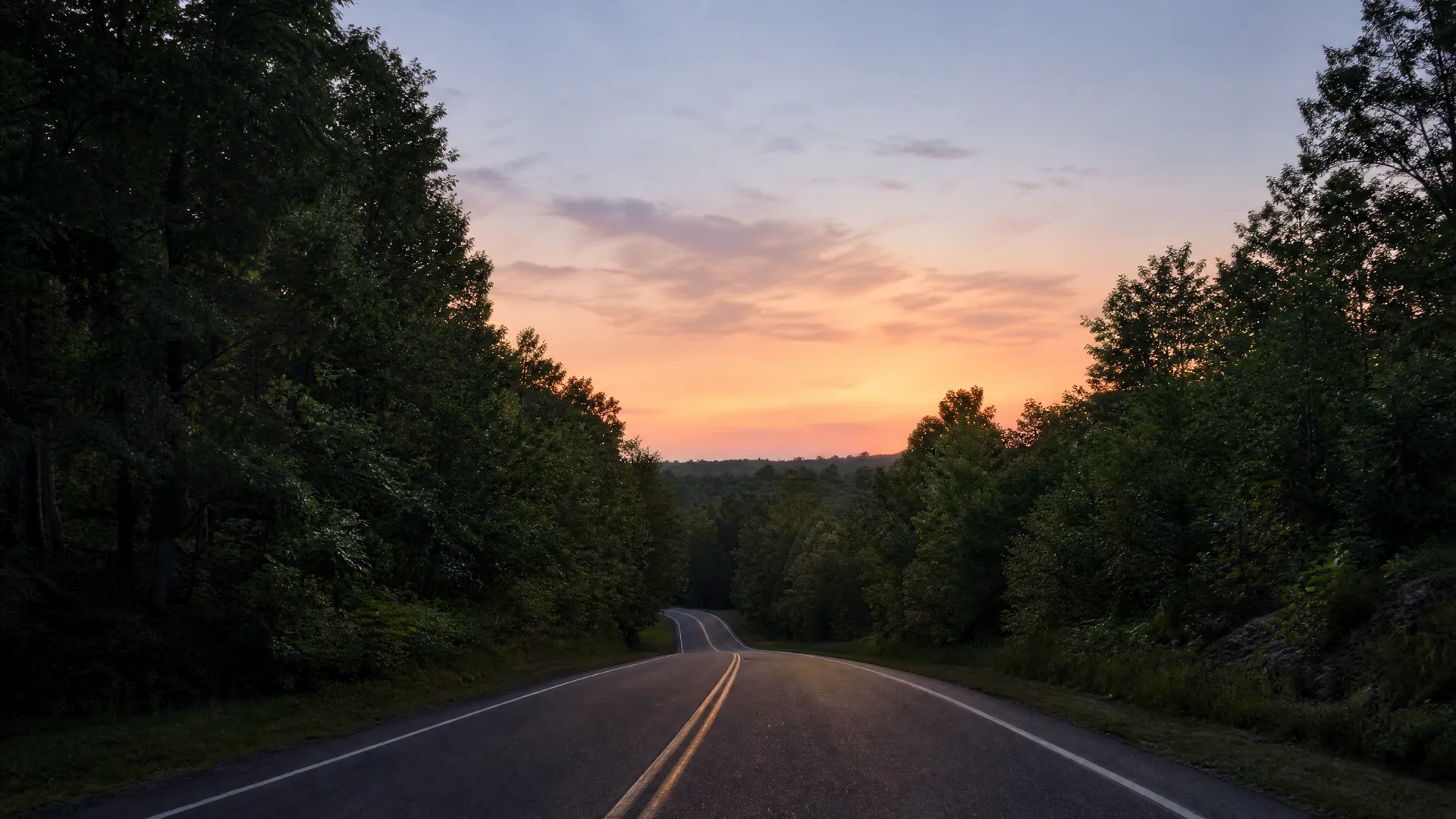
A 16-year-old picks up a license and starts driving themselves to a friend's house that's about forty minutes away, mostly on a two-lane road with no streetlights. The first few trips are during the day, but one weekend the visit runs late and the drive home happens after dark. The parent had talked through the five habits beforehand, so the teen already knows to slow down and widen the following distance, since the posted limit assumes conditions better than what headlights alone give you at night.
On the drive, an oncoming car has its brights on for a long stretch. Instead of staring at the lights, the teen remembers to look toward the right edge of the lane and holds speed steady rather than braking hard. A few miles later, a deer is visible near the shoulder early enough to slow down safely, because the teen was scanning the edges of the road rather than fixating on the lit path dead ahead. They get home a few minutes later than usual, mention the deer and the glare right away, and the parent uses it as a real example of why these habits matter, rather than a lecture delivered in the driveway before anyone had faced the actual situation.
Whether your teen practices night driving before going alone
If you do
They build real comfort judging distance, glare, and hazards while you're in the car to talk through it. Mistakes happen on a practice run instead of alone at night. By the time they drive after dark solo, the habits are already familiar, not something they're improvising for the first time under pressure.
If you don't
Their first real night drive becomes the first time they've judged distance and glare without guidance. Small misjudgments, like following too close or overcorrecting for bright headlights, show up right when the margin for error is thinnest. Confidence doesn't match skill, and that gap is exactly where trouble tends to happen.
Once you know how you'll coach your teen through night driving, compare quotes to see how that plan fits your budget.
Why night driving asks more of a driver than daytime does
Headlights give you a fraction of the sight distance that daylight does, but speed limits and road design assume drivers can see and react in time. That gap between what you can see and how fast you're moving is where night driving gets dangerous, and it's why slowing down matters more than it seems to.
Your eyes also work differently at night. Peripheral vision and depth perception both weaken in low light, which is part of why scanning the road's edges, rather than fixating on your headlight beam, catches hazards sooner. Glare makes this worse, because a brief flash of bright light can leave your eyes adjusting for several seconds right when you need them most.
Fatigue compounds everything else, since your body's natural rhythm pushes toward sleep in the evening and overnight hours regardless of how rested you felt earlier in the day. A driver who'd never dream of driving exhausted at noon might not notice the same drowsiness creeping in after dark, which is why tiredness and night driving are a worse combination than either one alone.
Where this plays out differently is mostly about the road and the driver. A well-lit highway with a confident, experienced driver carries much less added risk than an unlit rural road does for someone newly licensed. That's exactly why a new driver benefits from extra night practice with a parent along, before doing it alone becomes routine.
Night driving is a different task than daytime driving, not the same task in the dark.
Should I limit when my teen is allowed to drive at night?
Yes, most parents are better off setting real limits on night driving until their teen has built up solid experience, and many state licensing rules already restrict night driving for newly licensed teens for exactly this reason. Check what your state requires, since restrictions and curfews vary and some ease up automatically as your teen gets older or logs more time on a provisional license.
Beyond whatever the law requires, think about the specific roads your teen actually drives. A teen commuting home from a job on well-lit city streets faces a different risk than one driving back from a friend's house on a dark rural road. Base your limits on the actual driving they'll do, and loosen them gradually as you see them handle glare, fatigue, and unfamiliar roads well, rather than lifting every restriction the moment the law allows it.