What Are Five Rules for Safe Driving
Scan ahead, manage speed, buckle up, cut out phones, and never drive impaired, because these five habits prevent almost every serious crash.
These five rules work because they target how crashes actually start
Almost every serious crash traces back to one of a few root causes. A driver didn't see a hazard early enough, was going too fast for the situation, wasn't secured when something went wrong, was distracted at the wrong moment, or was impaired in judgment or reaction time. The five rules map directly onto those causes. They're not arbitrary advice, they're the short list of things that actually prevent harm.
Scanning ahead works because most crashes are preventable if you see the problem two or three seconds sooner. New drivers tend to stare at the car directly in front of them instead of reading the road further out, which is why they get surprised by situations an experienced driver would have clocked already. Managing speed matters because it's the single biggest factor in whether a mistake becomes a near-miss or a collision, since speed determines both how much time you have to react and how much damage happens if you don't.
Seat belts and avoiding phones address the two moments where good driving gets undone in an instant. A belt doesn't prevent a crash, but it's the difference in almost every severe outcome, which is why insurers and courts treat it as close to non-negotiable. A phone doesn't need to be in your hand to be a problem. A glance at a notification is enough time to miss a stopped car.
Where this varies is in how it's enforced and taught. States differ on licensing requirements for new drivers, what counts as distracted driving, and what penalties apply. Some insurers also offer programs that reward these habits directly through monitoring. Check your state's specific rules for new drivers and ask your insurer whether safe-driving habits can lower a premium, since that answer isn't the same everywhere.
Which of these five rules matters most for a brand-new driver?
Managing speed and scanning ahead matter most together, because new drivers don't yet have the instinct to judge how fast is too fast for a given road, turn, or weather condition. Experienced drivers do this without thinking. New drivers have to consciously slow down and look further ahead than feels natural, and that's the gap most crashes happen in.
The other three rules are closer to constants. Wearing a belt and avoiding phones should be automatic from day one with no exceptions, and impairment should never even be a question. But speed judgment and hazard awareness are skills that build with practice, which is why supervised driving time before and after licensing matters so much. The more varied road and weather conditions a new driver sees with someone experienced beside them, the faster that judgment develops.

Once you know how your teen actually drives, compare quotes to find coverage that matches the real risk.

Whether your teen actually follows these five rules
If you do
Your teen builds real judgment early, not just rule-following. Crashes, near-misses, and violations stay rare, which keeps your premium stable over time. You also gain peace of mind that's hard to put a price on, since you're not bracing for a call every time they take the car out.
If you don't
Even one serious incident, like a speeding ticket or a crash, tends to follow your policy for years and raise what you pay well beyond that single event. Worse, the habits that caused it don't fix themselves. Without correction early, risky patterns tend to repeat until something forces the issue.
A teen who drives fine until the phone buzzes
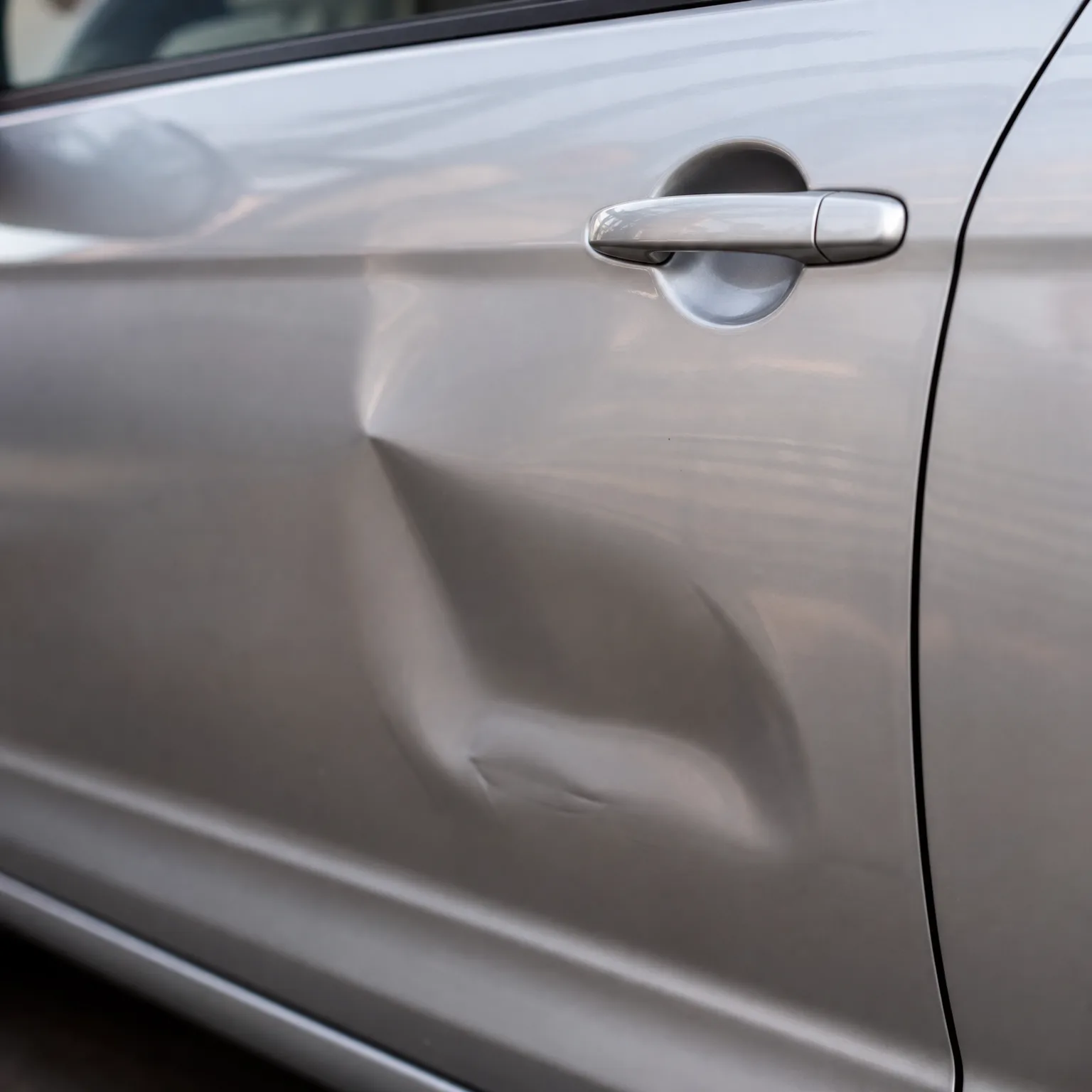
A father taught his daughter to scan ahead, keep her speed down, and never skip her belt, and she was solid on all three within a few months of getting her license. What he hadn't addressed was her phone, which she kept on the passenger seat on silent, out of habit more than need. One evening a text notification lit up the screen and she glanced down for maybe two seconds while slowing for a yellow light. She rear-ended the car ahead at low speed, no injuries, modest damage.
What changed afterward wasn't the big three rules, since she'd never struggled with those. It was a flat rule about phones going in the glovebox before the car even started, no exceptions, which removed the temptation entirely rather than relying on willpower in the moment. Her father also checked with their insurer about how the claim would affect their premium going forward and learned that a single minor at-fault incident mattered less than a pattern would have. The fix was specific to the actual gap, not a blanket crackdown on everything, which made it something she could actually stick to.
How many hours of supervised driving does a new driver actually need?
There's no universal number, it depends on your state's licensing requirements and your teen's comfort level with varied conditions. Check your state's graduated licensing rules for the required minimum, then go beyond it deliberately. Prioritize variety over total hours, meaning night driving, rain, highway merging, and unfamiliar roads, since those are the conditions that expose gaps a quiet daytime drive around the neighborhood won't reveal.
Should I restrict how many passengers my teen can drive with?
Yes, limiting passengers early on is worth doing, since distraction risk rises with each additional teen in the car. This isn't about trust, it's about reducing the noise and social pressure that pulls attention off the road during the exact window when judgment is still developing. Many states already restrict this for new license holders, so check your state's specific passenger rules, and consider holding to them a bit longer than legally required if your teen hasn't yet shown consistent habits.
What should I do if my teen gets a ticket or a warning early on?
Treat it as information, not just a penalty, and address the specific habit behind it rather than issuing a blanket punishment. Ask what was actually happening in that moment, since a speeding ticket from rushing to school points to a different fix than one from simple inattention. Also check with your insurer about how it affects your rate and whether a driving course could help offset that, since options here vary by insurer and by state.