
What Car Color Gets the Cheapest Insurance
Color isn't on the list. Insurers price your policy using the car's make, model, age, and how it's driven, never its paint.

What your rate is actually built from
- Make and model Insurers price risk by the specific vehicle, based on repair costs, safety ratings, and how often that model gets claimed on. A plain sedan and a sporty trim of the same car can price very differently.
- Your driving record Tickets, accidents, and claims history move your rate more than almost anything else. Keep the record clean and this stays your biggest lever.
- Where the car is kept Your zip code affects theft rates, accident frequency, and weather risk in your area. This is set by address, not by anything about the car's appearance.
- Who's driving it Adding a new, young driver changes the household risk profile more than any other single factor. This is the one most parents are feeling right now.
- Coverage and deductible choices How much liability coverage you carry and what deductible you pick directly set your premium. These are choices you make every renewal, unlike color.
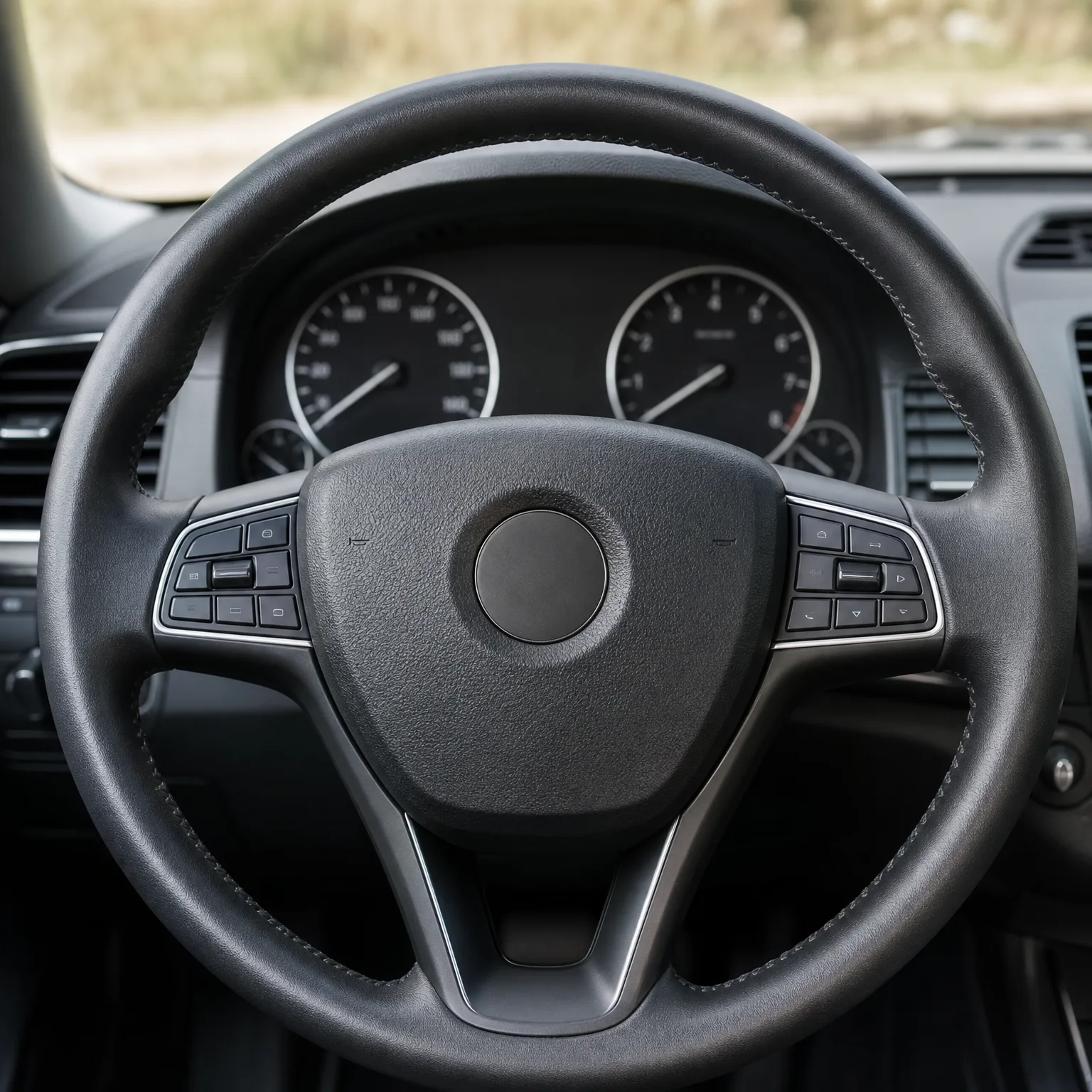
A parent compares two quotes for the same car
A parent was shopping for a used sedan for their newly licensed teen and found two nearly identical listings, same year, same trim, different colors. Before calling for quotes, they assumed the brighter one might cost more to insure, figuring it would stand out and maybe get driven faster. They called their agent anyway to ask directly.
The agent confirmed what's true everywhere: color isn't part of the pricing model at all. The quotes came back identical for both cars. What actually moved the number was the trim level, since one listing had a more powerful engine option, and that alone shifted the premium. The parent ended up choosing based on trim and condition, not color, and redirected their attention to the factors that mattered, like adding the teen under a higher deductible and asking about any discount for good grades or a driver's ed course.

Now that color's off the list, compare quotes based on the car and coverage choices that actually move your teen's rate.
Why color never enters the pricing model
Insurers price risk using data, and color isn't data they collect in any structured way. When you buy a policy, you give the make, model, year, trim, and vehicle identification number. That VIN ties to a specific configuration of the car, its engine, safety features, and repair costs, but not its paint job. There's no field in the system for color because no insurer tracks claims by color in a way that would let them price it.
The belief that bright or dark cars cost more to insure probably comes from older folklore about visibility and theft, the idea that a red car gets noticed by police more or stolen more by thieves. Studies on this haven't found a reliable pattern, and even if they had, insurers set rates using their own claims data, not general theories about color and behavior. If color mattered to the math, it would show up on your declarations page. It doesn't.
What does show up, and what explains most of the swing in a teen's quote, is the vehicle itself and who's driving it. A car with a bigger engine, a higher theft rate, or costlier parts will cost more to insure regardless of its color. A newly licensed driver raises the risk profile of the whole policy because they have no track record yet, and insurers price the unknown conservatively until a clean history builds up.
There are no state or insurer exceptions to this. Every insurer in every state prices by the same basic categories, vehicle, driver, location, and coverage. Color sits outside that entirely, so you can cross it off your list of things to compare.
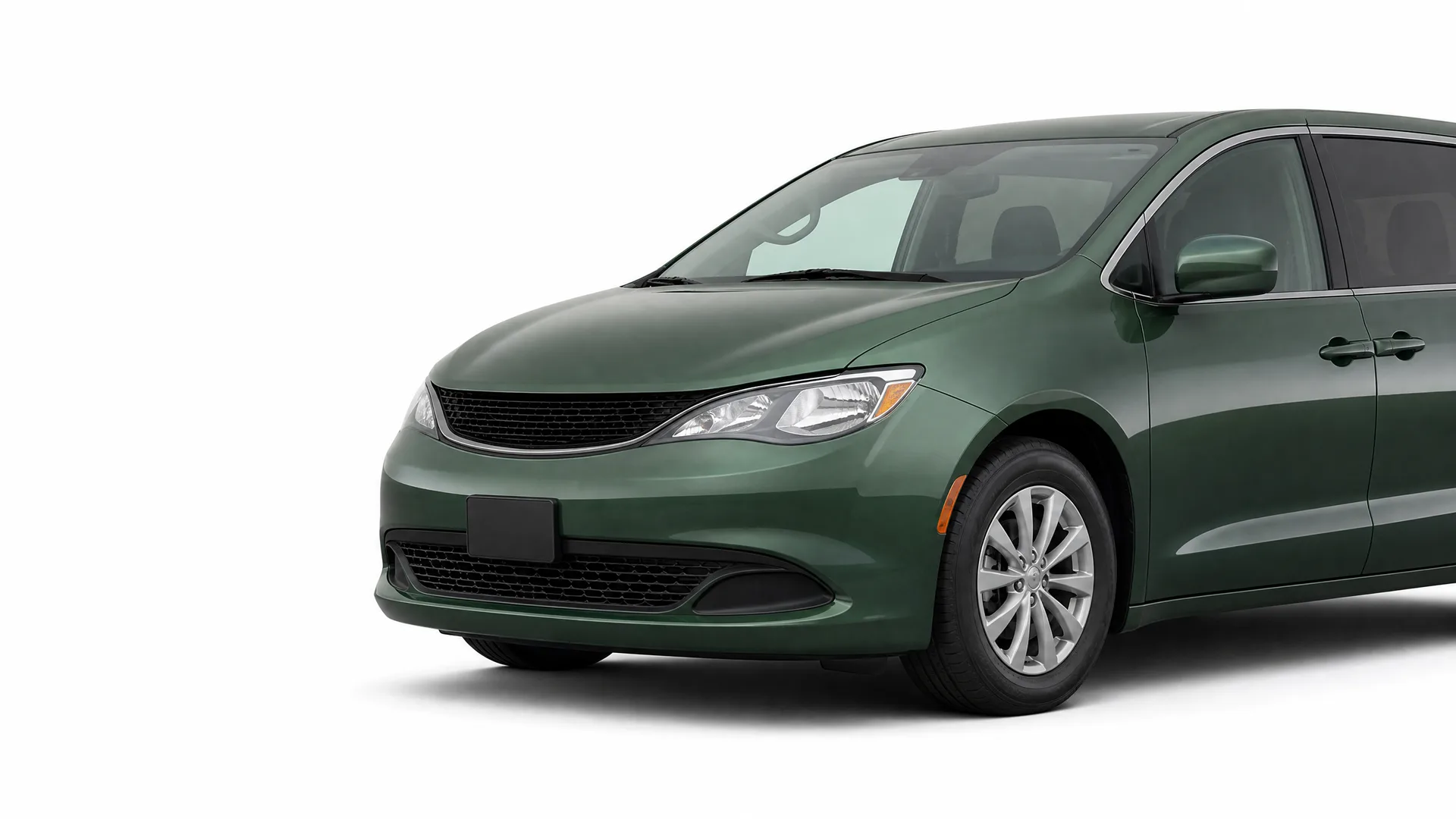
Stop comparing paint jobs and start comparing trims, engines, and coverage limits instead.
Does adding my teen to my policy cost less than a separate policy for them?
In almost every case, yes. Adding a teen to an existing family policy spreads their risk across a policy that already has an established, often clean, history, which usually keeps the cost lower than insuring them separately from scratch. A standalone policy for a new driver with no history typically prices at the highest end of the risk scale. Check with your insurer directly, since a few situations, like a teen owning their own car outright, can change which setup makes sense. Ask specifically how they calculate multi-driver households before assuming either way.
Will my teen's first ticket or accident raise my rate for years?
Yes, typically for a period your insurer sets, often several years, though the exact length depends on the insurer and the state you're in. A first incident usually raises the whole household's premium since the teen is rated as part of your policy, not separately. The size of the increase depends on the severity of the incident and your insurer's specific rules for surcharges. Ask your agent directly how long an incident stays on your rating and whether there's any accident forgiveness or new driver leniency built into your policy.
Does the car's safety rating actually lower my teen's insurance cost?
Yes, a higher safety rating can lower the cost, because it affects how much an insurer expects to pay out in injury claims and medical costs after a crash. Cars with strong crash-test results and modern safety features like automatic braking tend to price better across insurers. This matters more for a new driver than for an experienced one, since the statistical likelihood of a claim is higher. Check the specific model's safety rating before buying, and ask your insurer if certain features qualify for an additional discount.