
What Car Is Best for a 17 Year Old
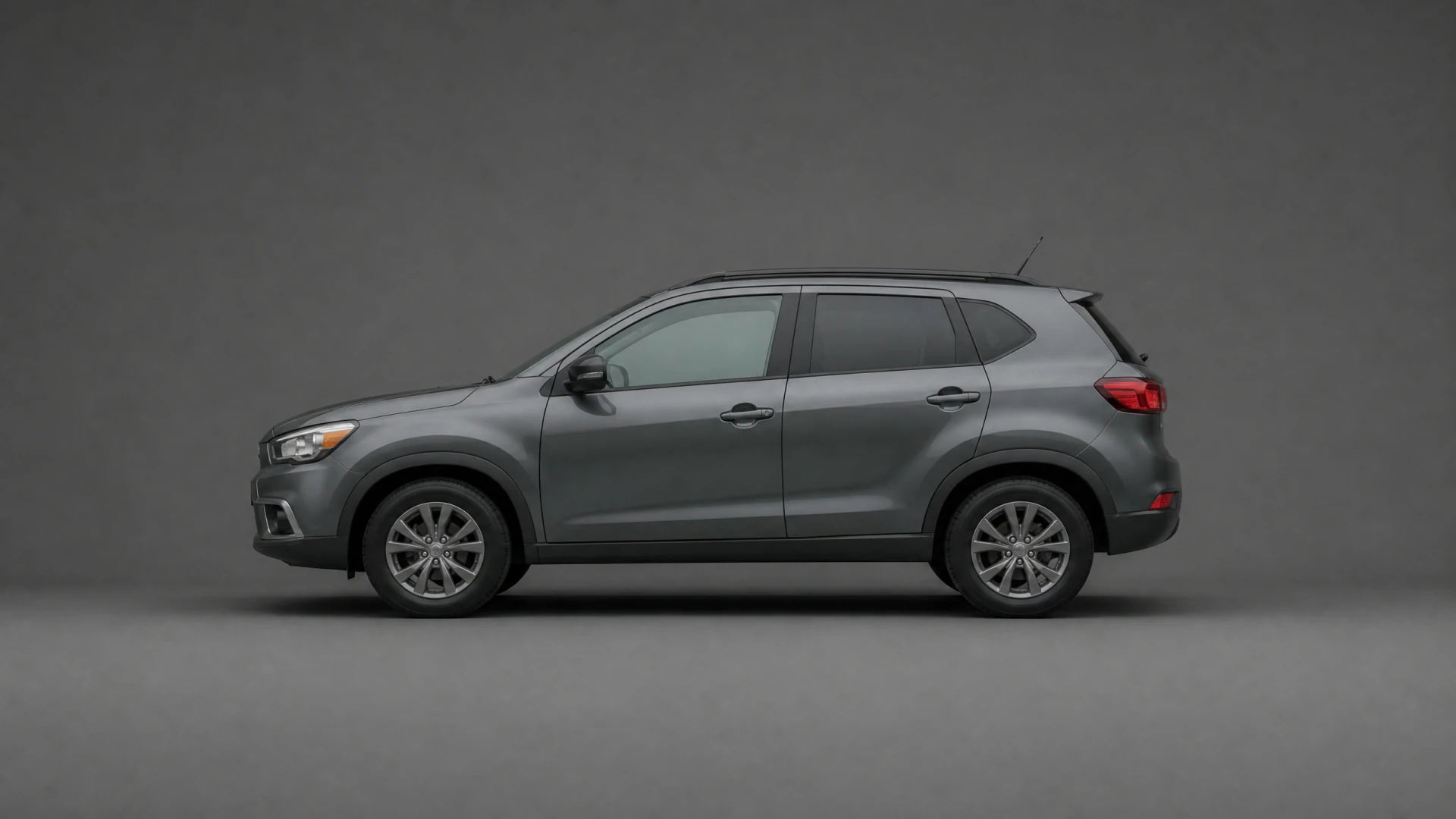
The best car for a 17 year old is a midsize, newer, unglamorous vehicle with strong safety ratings, not a sports car or cheap beater.
Why boring, newer, and midsize wins every time
Insurers price a teen's car around two questions: how likely is a crash, and how expensive is the damage when one happens. A new driver's risk is already higher than average, so the car itself becomes the lever you control. A midsize sedan or small SUV with modern safety features lowers both the chance of a serious crash and the cost of one, which is why these cars consistently come with calmer premiums than anything sporty or oversized.
Horsepower matters more than people expect. A powerful engine invites speed, and speed is the single biggest factor in teen crash severity. This is why insurers and safety researchers both steer away from performance trims, turbocharged versions, and anything marketed around quickness, even if the base model of that same car is perfectly reasonable.
Old, cheap cars aren't automatically the safe choice either. A car bought cheap because it's a decade or two old usually lacks the crash protection and driver assistance features that newer cars have as standard. It may save money upfront but cost more in both risk and repair unpredictability. A few years old with a good safety record is usually the sweet spot, new enough to have modern protection, old enough to not carry a brand-new price tag.
Where this changes is household structure. If your teen will mostly drive a car the family already owns, the decision isn't about buying new, it's about whether that existing car fits the profile above, and whether insuring your teen on it or on a different family vehicle makes more sense. Check with your insurer, since how they assign a teen to a specific car varies by company and sometimes by state.
The short version
The best car for a 17 year old is a midsize, modern, moderately powered vehicle with strong safety ratings, not a sports car or an old cheap beater. This balances crash risk and repair cost, which is what drives the premium. Next, pick two or three candidate cars and get quotes with your teen added before you commit to buying.
Does the car matter more than the teen's driving record?
No, the driver matters more, but the car still moves the number a lot. Your teen's habits, grades in some states, and clean record over time will do more to lower costs long term than any single car choice. The car is the part you can control on day one, before there's any driving history to show for.
Think of it as two separate levers. The car sets a baseline level of risk and repair cost the moment it's added to the policy. The driving record then adjusts that baseline up or down every renewal after. A good car with a rocky first year still costs more than a good car with a clean one, but a bad car with a perfect driver still costs more than it needs to from the start.
With the kind of car settled, compare quotes across your top options to see which one actually saves the most.

Choosing the safer, calmer car for your teen
If you do
You pick a midsize, newer car with strong safety ratings and modest power. Your premium reflects lower crash risk and cheaper repairs. Your teen drives something predictable and forgiving of mistakes, which matters most in the first year or two. You compare quotes with confidence, knowing the car itself isn't working against you.
If you don't
You let horsepower, looks, or a bargain price tag decide. The quote comes back higher than expected, and now you're choosing between a bigger bill or starting over. Meanwhile your teen may be driving something less forgiving of a late brake or a misjudged turn, right when margin for error matters most.
What actually changes the cost and the risk
- Engine size A smaller, less powerful engine reduces both speeding temptation and insurance cost. Look for base trims over sport or turbo versions of the same model.
- Safety ratings Higher crash test scores and standard driver assistance features lower both injury risk and premium. Check independent safety ratings before you check the price tag.
- Vehicle size Midsize cars and small SUVs balance visibility and crash protection better than very small or very large vehicles. Avoid both tiny subcompacts and oversized trucks for a new driver.
- Repair cost Common, widely available parts keep repair bills and therefore premiums lower. Ask how expensive the specific model is to fix before buying, not just to insure.
- Vehicle age A few years old often beats brand new or very old, balancing modern safety tech against price. Avoid decade-old cars missing standard safety features.
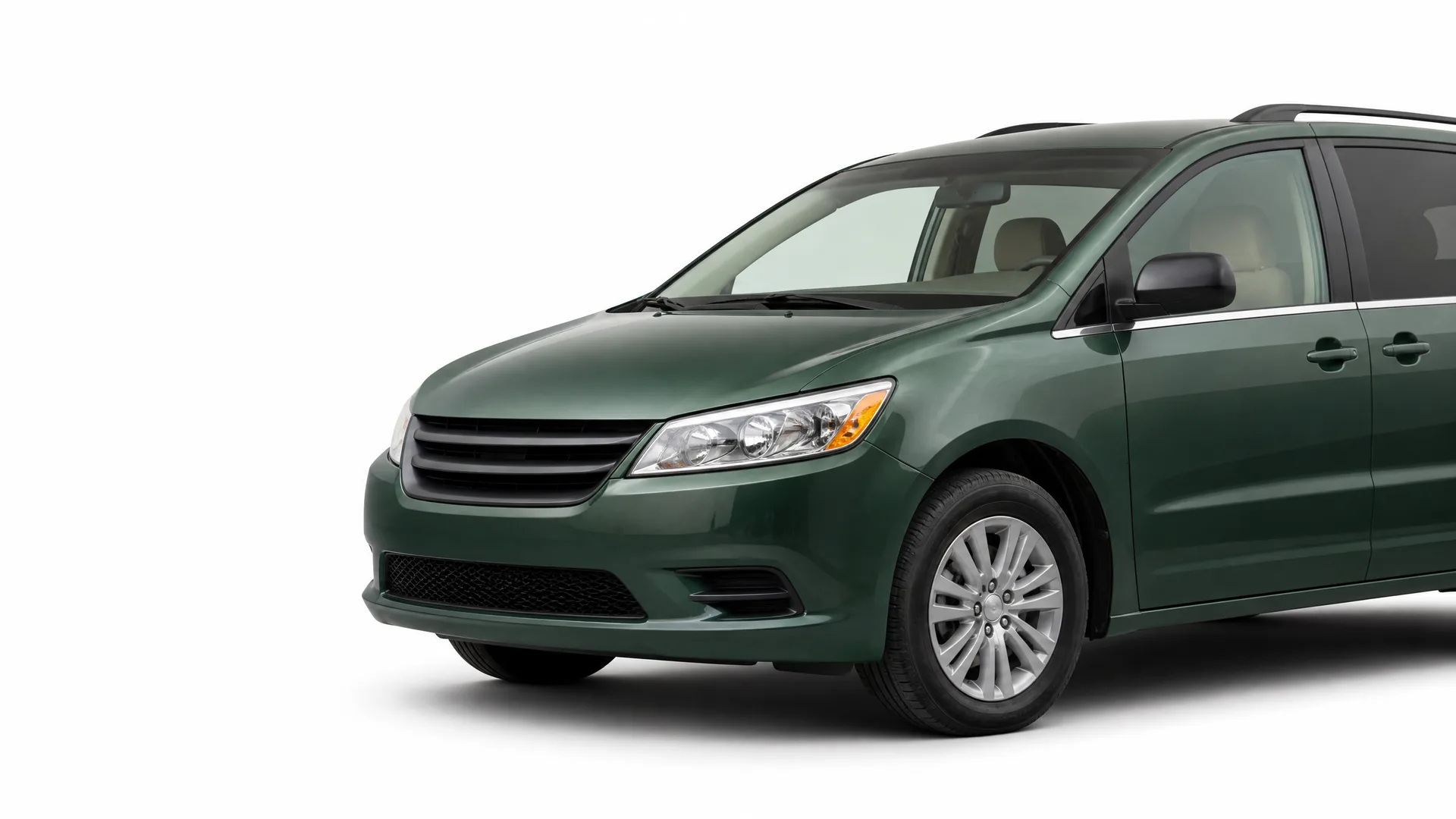
The car is one of the few teen-risk factors you control before a single mile is driven.


