What Car Should I Buy My 18 Year Old Daughter
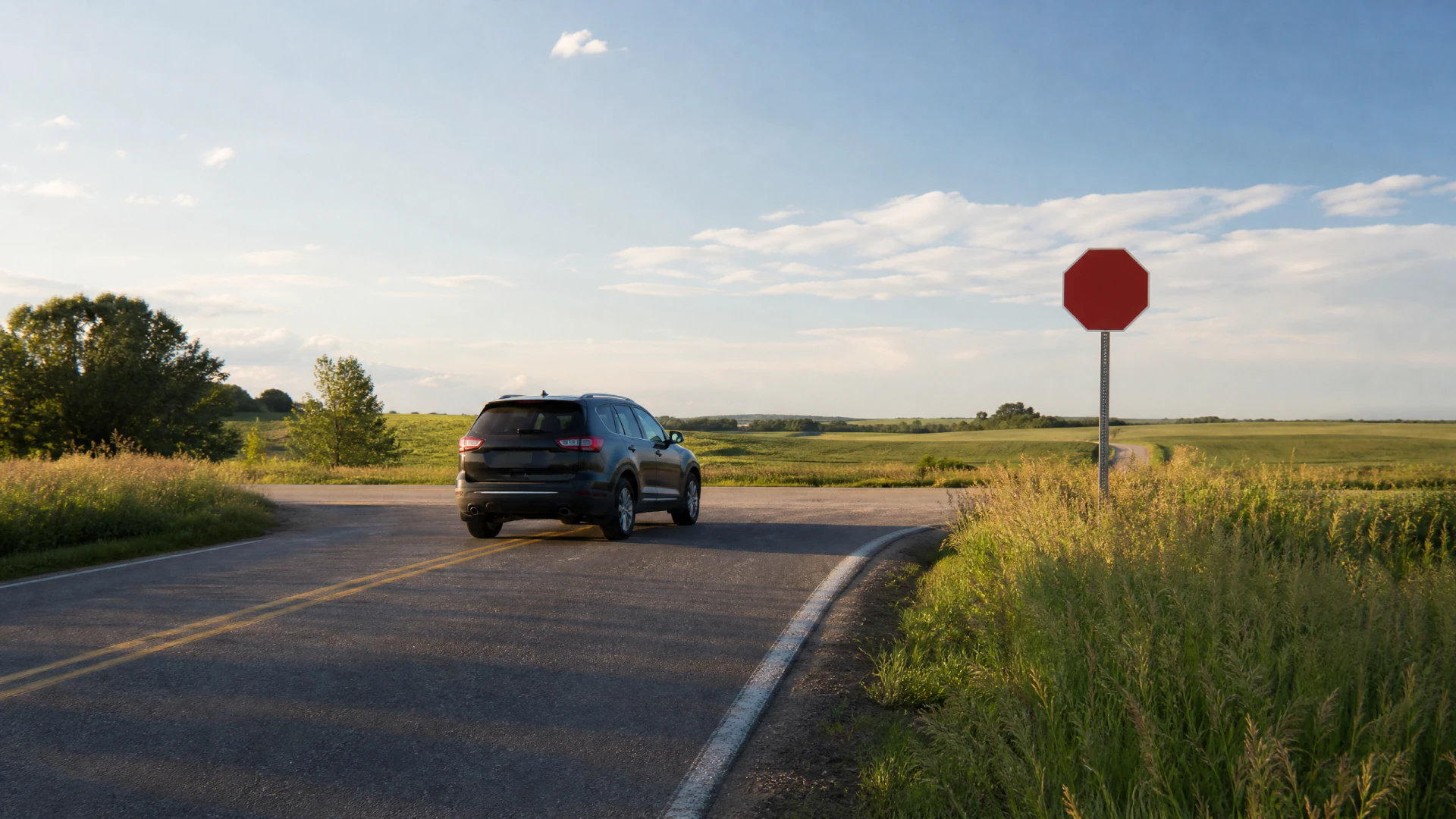
A midsize or larger used sedan or small SUV with strong safety ratings and a modest engine almost always beats anything flashier or smaller.
Why this kind of car wins out for a new driver
Insurers price a car by how often cars like it get into claims and how expensive those claims are. A new driver is already the biggest risk factor on the policy, so the car itself should pull in the opposite direction. That means something with a reputation for being calm to drive, hard to total, and cheap to fix.
Size and weight matter because physics doesn't care how careful a driver is. A heavier, larger vehicle protects its occupants better in the kind of crash a new driver is statistically more likely to have, which is a collision at moderate speed rather than a highway pileup. Small cars and sporty cars both lose here, the first because they offer less structure to absorb a hit, the second because insurers and parents both know they invite higher speeds.
Engine size and horsepower feed directly into risk pricing and into real behavior. A car that can't accelerate hard removes a temptation that a lot of new drivers don't even know they have yet. This is less about distrust and more about not handing a brand new skill a tool that rewards overconfidence.
Where this changes is mostly about where you live and who insures you. Rural driving, long highway commutes, or an insurer that weights safety tech heavily can shift which specific models come out ahead. The category stays the same. The exact make and model is worth checking against a real quote before you commit.
What actually separates a good pick from a bad one
- Safety ratings first Look for top ratings in the crash tests that matter for her likely driving, not just an overall score. This is the single biggest lever on both her safety and your premium.
- Boring engine, on purpose A smaller, less powerful engine keeps top speed and acceleration modest. That lowers both the temptation to speed and the cost to insure the car.
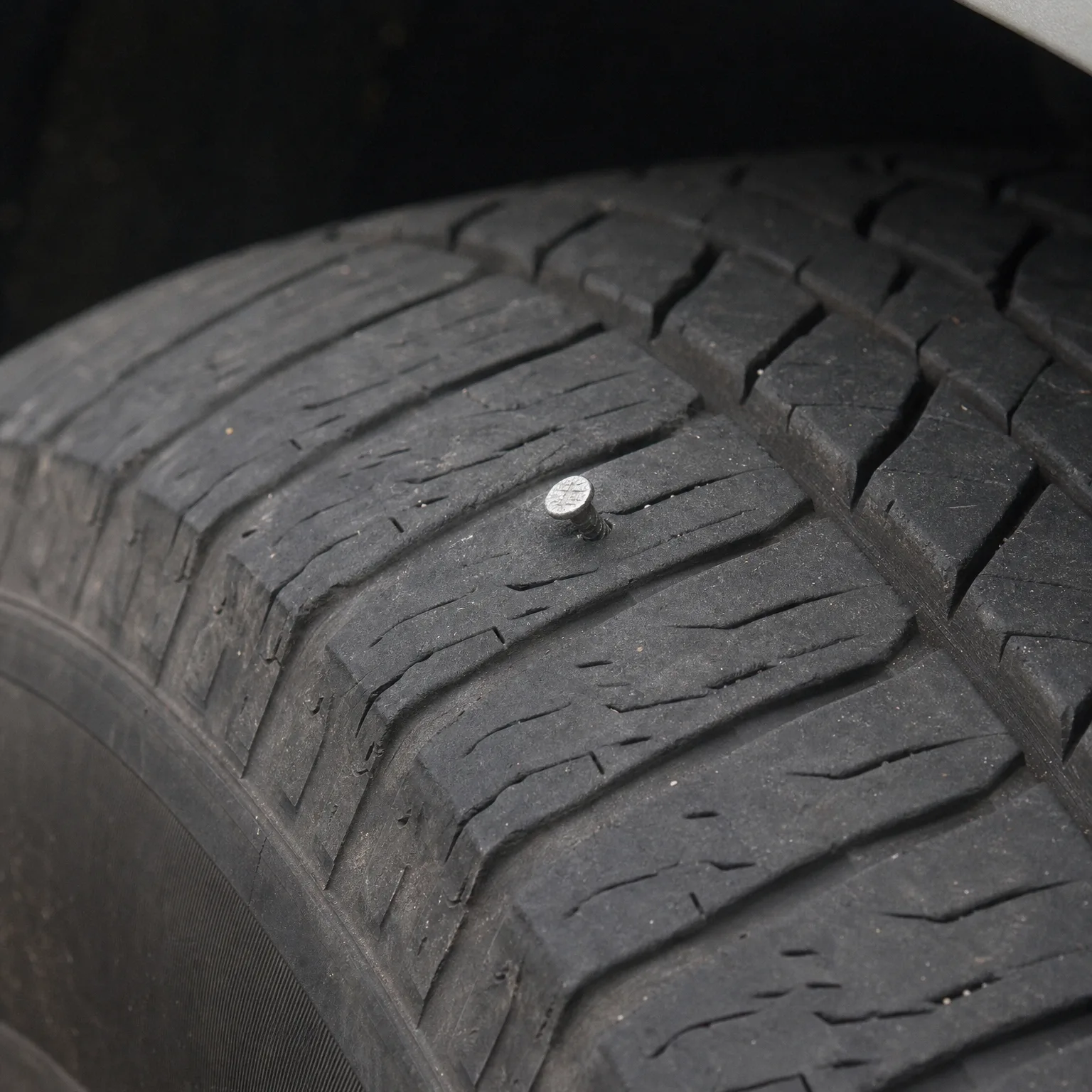
- Cheap, common parts A car with widely available, inexpensive parts is cheaper to repair after a fender bender. Rare or imported parts quietly inflate every claim, and your premium follows.
- Resale value and reliability A car known for lasting reduces the odds you're shopping again in two years. Check reliability history before you check color or styling.
- Theft rate for that model Some popular models get stolen far more than others, and insurers price that in. A quick search on theft rates for any model you're considering is worth the five minutes.

The car is a lever on her safety and your premium at once, so choose it like both matter.
Once you've picked the kind of car, compare quotes on the actual models you're considering before you buy.

Buying her a car built for a new driver
If you do
You get a calmer car that's harder to crash hard, cheaper to fix, and priced lower by insurers. Her first year of driving has fewer surprises built into it. You'll likely see a steadier premium instead of a shock every renewal, and repairs after small mistakes won't derail your budget.
If you don't
A sportier, smaller, or rarer car raises the premium right away and keeps it high. If she has even a minor crash, repair costs and claim size climb, and so does your renewal. You've handed a brand new driver a car that makes mistakes more expensive and more dangerous at the same time.
Should I just add her to my car instead of buying a new one?
That depends more on your current car than on her. If your car already has strong safety ratings, a modest engine, and reasonable insurance costs, adding her to it can work well and skips a purchase entirely. The tradeoff is scheduling. One car between two drivers gets complicated fast once she has a job, activities, or school on a different timetable than you.
If your car is older, lacks modern safety features, or is itself a higher performance vehicle, buying her something separate and better suited to a new driver is usually worth it. The right move depends on your household's actual driving needs, not a general rule, so it's worth comparing both paths against a real quote before deciding.